Trump’s Diesel Deal with Putin Sparks Skepticism as Riyadh Airport Faces Renewed Houthi Strikes
توافق جنجالی ترامپ و پوتین بر سر گازوئیل و حملات مجدد به فرودگاه ریاض؛ نوسان اندک دلار در بازار تهران
Energy markets react to a surprise diesel deal between Donald Trump and Vladimir Putin, while a projectile strike on Riyadh's King Khalid Airport escalates regional tensions. In Tehran, the USD saw a slight 0.5% dip as the market processed shifting geopolitical alliances.
At time of publishing
USD
264,100
Toman
Gold 18K
26.29M
Toman / gram
Bitcoin
$83,732
US Dollar
Tether
263,853.595
Toman
The Diesel Gambit: Trump, Putin, and the Logistics of Skepticism
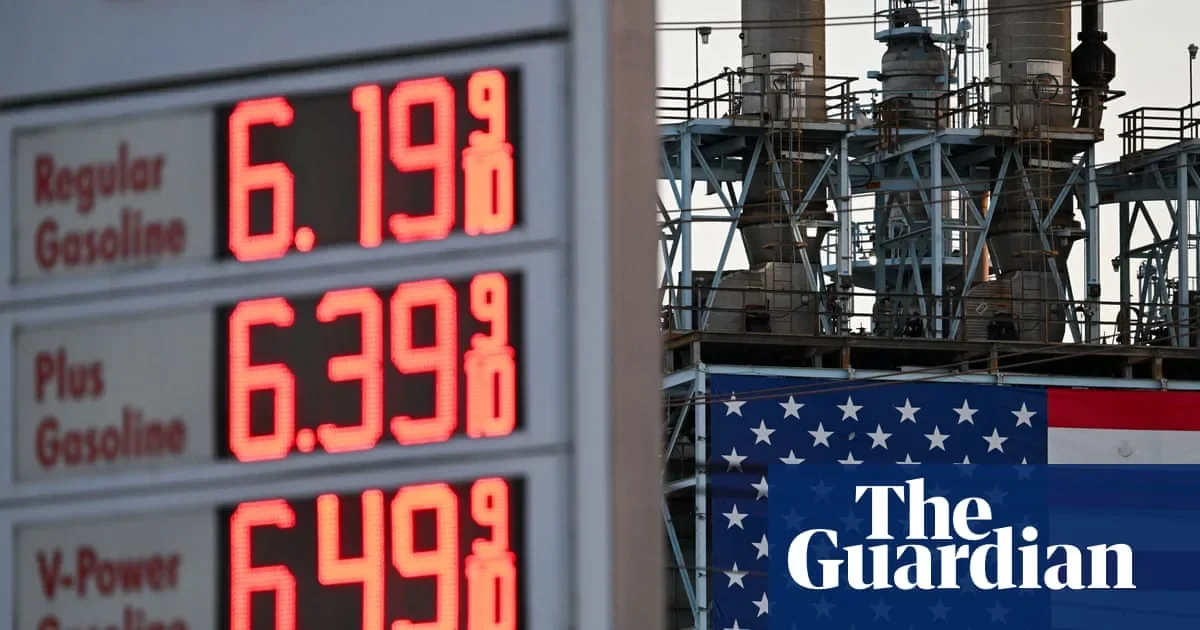
In a move that has sent shockwaves through both energy markets and diplomatic circles, Donald Trump announced a deal with Vladimir Putin to lift sanctions on Russian diesel imports. The U.S. President claimed on Truth Social that the agreement is essential to combat soaring fuel prices at home, which he attributed to the ongoing conflict with Iran. However, energy analysts and foreign policy experts are quick to pour cold water on the immediate impact of this deal. They argue that the quantity of diesel discussed is too small to move the needle for American motorists, and the logistical nightmare of shipping fuel from damaged Russian refineries means it could take weeks, if not months, to see any tangible change at the pump.

Beyond the logistics, the deal has ignited a firestorm of criticism from Kyiv. President Volodymyr Zelenskyy reportedly expressed fury over the move, viewing it as a betrayal while Ukraine remains under heavy Russian fire. The broader implication for the global economy is a shift toward unilateralism, where the U.S. executive branch bypasses traditional multilateral sanctions to address domestic inflation. For Iranian observers, this signals a potential blueprint for future negotiations: a U.S. administration that prioritizes immediate domestic relief over long-standing geopolitical pressure campaigns, though current tensions remain at a boiling point.
---
Riyadh Under Fire: Houthi Strikes and a Surprising Gulf Realignment
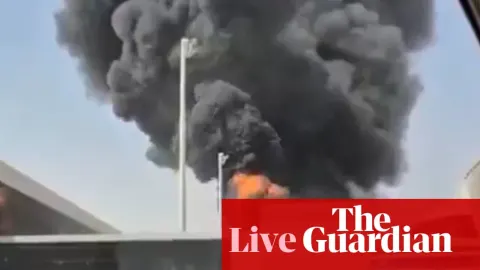
The security situation in the Middle East took another turn for the worse this Sunday, October 11, 2026, as an unidentified projectile struck Terminal 4 at Riyadh’s King Khalid International Airport. This marks the third attack on the facility within a single week, with a previous strike claiming 12 lives. The Iran-aligned Houthi group has claimed responsibility for the ongoing campaign, warning travelers and airlines to avoid Saudi airspace. The escalation highlights the fragility of the regional security architecture and the persistent threat to critical infrastructure in the Gulf, which remains a primary concern for global oil supply stability.

What is perhaps more significant than the strike itself is the diplomatic response from the United Arab Emirates. Despite a major rupture in relations earlier this year—which led to the UAE quitting OPEC—Abu Dhabi issued a statement of absolute solidarity with Saudi Arabia. This pivot suggests that the threat of regional escalation is forcing former allies to mend fences, at least temporarily. For the Iranian economy, these developments are a double-edged sword; while regional instability often drives up the cost of the 'security premium' on the Toman, the potential for a unified Arab front could lead to renewed diplomatic and economic pressure on Tehran.
---
Market Realities: Toman Cools as Bitcoin ETFs See Outflows
On the domestic front in Tehran, the currency market showed a rare moment of relative calm. The USD sell rate moved from 265,400 to 264,100 Toman, marking a 0.5% decrease over the last 24 hours. Similarly, Gold 18k/gram dipped by 0.5% to 26,293,919 Toman. These minor corrections reflect a market that is currently in a 'wait-and-see' mode, balancing the news of potential energy ceasefires in Europe against the reality of missile strikes in the neighboring Gulf. The slight strengthening of the Toman suggests that local traders may be pricing in the possibility of a de-escalation, however remote that might seem given the headlines.
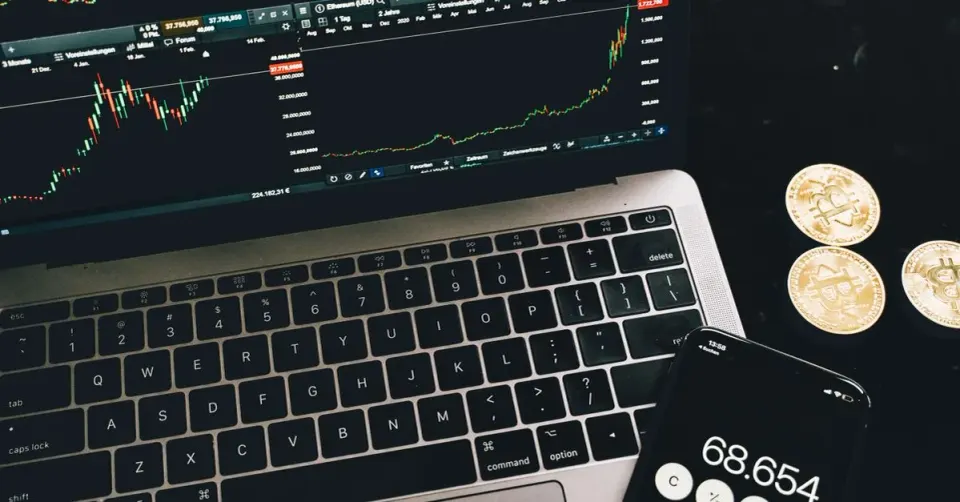
In the crypto space, Bitcoin continues to trade at a high level of $83,732, but the underlying data suggests a cooling of institutional fervor. Bitcoin ETFs have recorded over $386 million in net outflows during the first week of October, while Ethereum funds have seen nine consecutive days of losses. This 'red October' for ETFs indicates that while the spot price remains robust, professional investors are taking profits or hedging against the geopolitical uncertainty radiating from the Middle East and Eastern Europe. For Iranian crypto holders, the stability of USDT at 263,854 Toman remains the primary metric for wealth preservation as global volatility persists.
---
The 'Energy Ceasefire' Confusion: Trump vs. Zelenskyy
Adding to the day's diplomatic chaos, Donald Trump took to social media to announce an "ENERGY CEASEFIRE" between Russia and Ukraine, effective immediately. The post, which lacked any specific details or formal documentation, was met with confusion in Kyiv. President Zelenskyy stated that such a deal was "news to him," although he later signaled that Ukraine would support a ceasefire if it protected energy infrastructure and was reciprocated by Moscow. The EU Commission has also voiced support for de-escalation, yet the lack of coordination between Washington and its allies has left markets guessing about the true status of the war’s energy front.
This trend of 'diplomacy by tweet' (or Truth Social post) is creating a high-noise environment for global investors. If a genuine ceasefire were to take hold, it would likely lead to a significant drop in global energy prices, which would indirectly impact Iran's own oil export revenues and the valuation of the Toman. However, until official channels confirm the terms, the market is treating these announcements with a high degree of skepticism, viewing them more as political posturing than established policy.
Frequently Asked Questions
Why is Trump making a deal with Putin for diesel?
What is the status of the USD/IRR exchange rate today?
How significant is the Houthi attack on Riyadh airport?
Is the Bitcoin bull run over given the ETF outflows?
Sanctions Evasion in the Global Diesel Market
Sanctions are tools that governments use to pressure other states or entities by restricting trade, finance, or travel. In the energy sector, they often target oil and refined products such as diesel because these commodities generate huge revenues and are essential for transport and industry. When a country like Iran or Russia faces broad sanctions, its ability to sell diesel abroad can be crippled, prompting the emergence of complex work‑arounds that keep the product moving while obscuring its true origin.
One common method is re‑flagging, where a shipment is transferred to a vessel registered under a neutral flag and the cargo documents are altered to list a different exporter. Another technique is third‑party trading, where a sanctioned producer sells diesel to an intermediary in a friendly jurisdiction, which then resells it to the final buyer. The intermediary may mix the sanctioned product with legally sourced diesel, making detection harder. These layers of ownership and documentation can mask the original source, allowing buyers in countries that are not directly enforcing the sanctions to acquire the fuel.
The recent chatter about a “Trump‑Putin diesel deal” illustrates how political narratives can amplify concerns about such evasion. Even if no formal agreement exists, the idea taps into the broader pattern of Russia and Iran seeking alternative markets for their diesel through partners in the Middle East, South Asia, and Africa. Saudi‑UAE cooperation, for example, can provide logistical hubs and financing that help bypass U.S. sanctions, while still keeping the trade discreet enough to avoid triggering secondary penalties.
Understanding these mechanisms is crucial for analysts watching global energy markets. Sanctions evasion can distort price signals, create hidden supply channels, and affect the balance of trade for both exporting and importing nations. It also raises geopolitical risks, as countries may be drawn into illicit networks or face retaliation if caught facilitating prohibited transactions.
Policymakers respond by tightening secondary sanctions, increasing scrutiny of shipping registries, and enhancing cooperation among customs authorities. However, the cat‑and‑mouse game continues, and anyone following oil and diesel markets must stay alert to the subtle ways that sanctioned fuel can re‑enter the global supply chain.
Topics
Related Articles