Riyadh Under Fire: Houthi Strikes Ground Flights as Oil Braces for $100+ Reality
آسمان ریاض در محاصره موشکها؛ تداوم نفت ۱۰۰ دلاری در سایه بنبست دیپلماتیک
A second wave of Houthi strikes on Riyadh's international airport has paralyzed Saudi aviation, while analysts warn Brent crude will remain above $100 as US-Iran negotiations stall until 2027.
At time of publishing
USD
262,750
Toman
Gold 18K
26.12M
Toman / gram
Bitcoin
$83,427
US Dollar
Tether
263,346
Toman
Riyadh Airport Paralyzed by Escalating Houthi Strikes
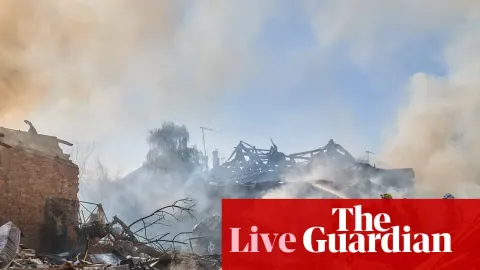
The regional security landscape shifted violently this Monday as Yemen’s Houthi rebels launched a second consecutive strike on Riyadh’s international airport. This follow-up attack comes on the heels of a devastating weekend strike that claimed at least 12 lives and left over 300 injured, marking the deadliest assault on Saudi soil in more than a decade. Saudi Arabia’s civil aviation authority has been forced to extend the suspension of all operations at the capital’s primary hub, leaving thousands of travelers stranded and raising the geopolitical risk premium across Middle Eastern markets.
The escalation represents a significant breakdown in the fragile regional detente. While the Houthis have long targeted Saudi infrastructure, the precision and lethality of these recent strikes suggest a new level of military capability or a strategic decision to force a total halt to Saudi air traffic. For the Iranian market, this instability typically translates into immediate pressure on the Toman, as traders hedge against the possibility of a wider regional conflagration that could draw in more direct involvement from regional powers.

The $100 Oil Reality: No US-Iran Deal in Sight
As smoke rises over Riyadh, energy analysts are adjusting their long-term forecasts. BMI, a leading market research firm, now predicts that Brent crude will remain stubbornly above the $100 per barrel mark for the foreseeable future. The primary driver for this sustained high price is the widening gap between Washington and Tehran. Despite various back-channel efforts, BMI’s chief economist, Cedric Chehab, noted that a formal agreement between the U.S. and Iran is unlikely to materialize before the end of the first quarter of 2027. This timeline suggests that the global market cannot rely on a surge of Iranian oil to cool prices anytime soon.
Currently trading near $104 per barrel in Asian markets, oil is reacting to the dual pressure of supply constraints and geopolitical fear. For Iran, this creates a complex economic paradox: while the high price of crude theoretically increases the value of its exports, the continued lack of a deal means that banking and shipping sanctions remain firmly in place. This prevents the Iranian economy from fully capitalizing on the global energy crunch, keeping the domestic currency under structural strain despite the high nominal value of its primary resource.
Diplomacy vs. Reality: The 'Truth Social' Ceasefire Fails
The disconnect between political rhetoric and ground reality was laid bare today as Ukrainian President Volodymyr Zelenskyy addressed the Warsaw Security Conference. Following Donald Trump’s weekend declaration of an "energy ceasefire" via his Truth Social platform, Russia reportedly struck a major Ukrainian power plant almost immediately. Zelenskyy pointedly remarked that "Putin does not read Truth Social," highlighting the futility of unilateral social media declarations in the face of active military objectives. This incident underscores a growing trend where political leaders attempt to move markets with digital announcements that lack the backing of formal diplomatic treaties.
This pattern of performative diplomacy is also visible in the recent rhetorical sparring between the U.S. and Iran. While U.S. Secretary of State Marco Rubio has drawn historical parallels to ancient Greco-Persian wars to frame current tensions, Tehran has dismissed these as "political uses of history." Meanwhile, the Iranian Foreign Ministry has rejected claims that the Strait of Hormuz has returned to "normalcy," insisting that as long as the U.S. naval blockade and economic sanctions persist, true security in the waterway remains an illusion. For investors, these developments signal that the "war premium" is not a temporary spike but a permanent fixture of the 2026 economic landscape.

Local Market Reaction: Toman Shows Fragile Stability
Despite the regional chaos, the Iranian domestic market has shown a surprising, albeit fragile, resilience in the last 24 hours. The USD/IRR rate moved from 264,000 to 262,750, a slight decrease of 0.5%. This cooling off may be attributed to a temporary exhaustion of the recent buying spree, as the market digests the news of the Riyadh attacks. Similarly, Gold 18k prices saw a minor retreat, moving from 26,273,142 to 26,120,781 Toman per gram (-0.6%).
However, this minor downward trend should not be mistaken for a long-term recovery. The underlying fundamentals—high global oil prices, the lack of a nuclear deal, and the threat of expanded regional conflict—all point toward continued volatility. The Emami coin also reflected this cautious sentiment, dropping 0.6% to settle at 267,000,000 Toman. Market participants remain on high alert, watching for any sign of a Saudi military response or a shift in the U.S. sanctions posture that could send the Toman back toward record lows.
Watch
Saudi Arabia: Riyadh airport struck again by Yemen's Houthis • FRANCE 24 English
FRANCE 24 English
Frequently Asked Questions
Why did Saudi Arabia suspend flights at Riyadh airport?
Why is oil predicted to stay above $100 until 2027?
How has the Iranian Toman reacted to the Riyadh attacks?
The Geopolitical Risk Premium in Oil Prices
The price of crude oil, a cornerstone of the global economy, is influenced by a myriad of factors, from supply and demand fundamentals to speculative trading. However, one particularly potent and often volatile element is the geopolitical risk premium. This term refers to the additional cost built into the price of oil due to political instability, conflict, or threats to supply in major oil-producing regions or critical transit routes. It's essentially a "fear factor" that buyers are willing to pay to hedge against potential disruptions, even if those disruptions haven't materialized yet.
This premium is triggered by events that introduce uncertainty into the future availability of oil. For instance, reports of Houthi attacks on Saudi oil infrastructure, escalating tensions in the Persian Gulf, or concerns over the security of the Strait of Hormuz—a vital chokepoint for a significant portion of the world's oil supply—immediately signal potential supply disruptions. Traders and refiners, anticipating that a conflict could reduce crude oil flows, bid up prices to secure future supplies, thereby reflecting this heightened risk in the market price.
The geopolitical risk premium is not static; it fluctuates with the perceived likelihood and severity of potential disruptions. A breakdown in international diplomacy, such as the collapse of a nuclear deal with a major oil producer like Iran, or an escalation of regional conflicts, can significantly inflate this premium. Conversely, de-escalation or diplomatic breakthroughs might see the premium diminish. Understanding this dynamic is crucial for interpreting oil price movements, as it often explains sharp price spikes that seem disconnected from immediate changes in physical supply or demand.
Ultimately, this premium has tangible economic consequences. Higher oil prices, driven by geopolitical fears, translate into increased costs for transportation, manufacturing, and consumer goods, potentially fueling inflation and dampening economic growth worldwide. For nations heavily reliant on oil imports, it can strain national budgets and currency stability. Thus, the geopolitical landscape, far from being a distant concern, directly impacts the wallets of consumers and the health of the global economy.
Topics
Related Articles