Hormuz Strategic Chess: Tehran Signals Blockade Defense as Kremlin Rejects Trump’s ‘Energy Ceasefire’
شطرنج استراتژیک در هرمز؛ واکنش تهران به محاصره دریایی و رد «آتشبس انرژی» ترامپ توسط کرملین
Major General Safavi outlines Iran's counter-strategy for the Strait of Hormuz amid rising naval tensions, while the Kremlin dismisses Donald Trump's proposed energy truce. Meanwhile, global markets brace for critical US inflation data and bank earnings as the Toman sees a slight recovery.
At time of publishing
USD
262,600
Toman
Gold 18K
26.10M
Toman / gram
Bitcoin
$83,316
US Dollar
Tether
262,144
Toman
Strategic Management of the Strait of Hormuz
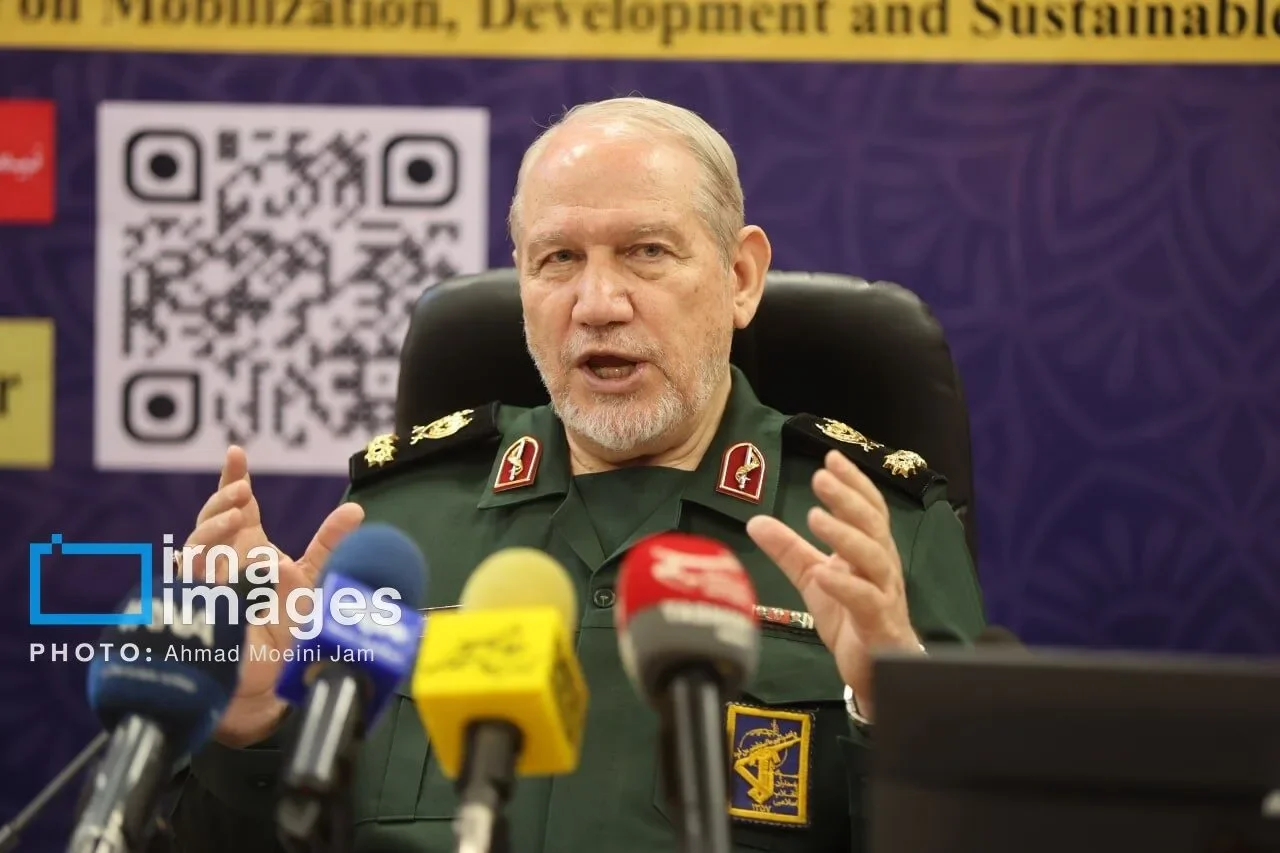
Iranian state media, IRNA, has reported that Major General Yahya Rahim Safavi, a high-ranking military advisor, has articulated a new strategic framework for the Strait of Hormuz. According to Safavi, the Iranian strategy involves 'intelligent management' of this vital maritime artery to counter potential naval blockades from the United States. This rhetoric emerges at a time when regional tensions are already at a boiling point, with the Iranian leadership seeking to project a posture of controlled strength. By framing their actions as 'management' rather than outright closure, the military establishment is likely attempting to maintain leverage over global energy flows without immediately triggering a full-scale kinetic conflict with Western naval forces.
For the average observer and market participant, these statements are more than just military posturing; they are a direct signal to the global oil market. With Brent crude currently trading around $104 per barrel, any suggestion of a change in the status quo at Hormuz adds a significant risk premium to energy prices. For the Iranian domestic economy, such statements often result in immediate fluctuations in currency sentiment. Even as the USD/IRR saw a slight decline of 0.5% today, the underlying threat of a naval confrontation keeps investors on edge, preventing any long-term stabilization of the Toman against major world currencies.
The Fed's Inflation Tightrope and Bank Earnings
Global financial markets are currently caught in a holding pattern as Federal Reserve officials signal a desire to pause interest rate hikes this month. However, this cautious stance is entirely dependent on upcoming inflation data, which could force the central bank's hand if price increases remain stubborn. MarketWatch reports that the Fed is looking for definitive signs of cooling before they commit to a prolonged pause. This uncertainty has kept the US Dollar strong, which in turn has applied pressure to both gold and cryptocurrency markets. Bitcoin is currently holding the $83,316 level, showing resilience despite the broader macro-economic headwinds and rising bond yields.
Adding to the complexity of the week is the start of the corporate earnings season, with major US banks set to report their results on Tuesday. these reports will provide the first real look at how higher interest rates and yields are impacting the bottom lines of the world's largest financial institutions. If banks show signs of stress or a significant slowdown in lending, it could signal that the Fed's tightening cycle has finally reached a breaking point for the broader economy. Conversely, strong earnings would give the Fed more 'room to run' with its restrictive policy, potentially strengthening the dollar further and making Iranian imports even more expensive.
The Geopolitical Fog: Kremlin Rejects Trump’s Truce
The geopolitical landscape in Eastern Europe has taken another complicated turn as the Kremlin officially rejected a 60-day truce proposal. Furthermore, Russian officials have refused to comment on Donald Trump's self-proclaimed 'energy ceasefire,' which the former president announced via social media. Ukrainian President Volodymyr Zelenskyy noted that the proposed deal seemed to be 'news to him,' highlighting a significant disconnect between Trump's public assertions and the reality on the ground. This rejection underscores the deep-seated instability in the region and the failure of informal diplomatic overtures to gain any real traction with Vladimir Putin's administration.
This lack of progress on a ceasefire has immediate ramifications for the global energy supply. With the EU adding nearly 1,600 new sanctions to Russia's military-industrial complex, the economic decoupling of Russia from the West is accelerating. For Iran, this ongoing conflict remains a double-edged sword; while it keeps oil prices elevated, it also complicates the regional security architecture and forces Tehran to navigate an increasingly bifurcated global order. The failure of the 'energy ceasefire' ensures that volatility will remain the primary characteristic of the energy markets for the foreseeable future, directly impacting the cost of living and industrial production globally.
Domestic Market Cool-off and US Political Curiosities
In the domestic Iranian market, there has been a notable, albeit slight, cooling of prices during the Monday session. The USD sell rate moved from 264,000 to 262,600 Toman, marking a 0.5% decrease. Similarly, the gold market saw a retreat, with 18k gold falling 0.7% to 26,097,696 Toman per gram, and the Emami coin dropping by nearly 1% to 266,000,000 Toman. This downward movement suggests a brief period of profit-taking or perhaps a 'wait-and-see' approach by local traders ahead of major international economic releases. However, with the gold ounce still trading at a historically high $4,172, the floor for local gold prices remains significantly elevated compared to previous months.
Meanwhile, in a peculiar turn of events in US politics, Republican Senator Roger Marshall has finally settled a six-year-old debt with a local bakery in Kansas. The senator paid double the original $678 invoice for treats ordered during a 2020 election watch party, claiming he had 'no idea' how the bill had gone unpaid for so long. While seemingly a minor domestic story, it highlights the often chaotic nature of political operations and the persistent distractions facing US lawmakers as they navigate high-stakes international crises. For international observers, such stories serve as a reminder of the internal domestic pressures that can often influence the focus and priorities of major world powers.

Frequently Asked Questions
What is Iran's 'strategic management' of the Strait of Hormuz?
Why did the price of the Toman strengthen slightly today?
What was the Kremlin's response to Trump's 'energy ceasefire'?
How is Bitcoin performing amid these geopolitical tensions?
Understanding Strategic Chokepoints: The Strait of Hormuz
Strategic chokepoints are narrow maritime passages that are crucial for international trade, particularly for the global supply of energy and goods. Their geographical confinement means that a significant volume of trade must pass through a limited area, making them highly vulnerable to disruption. Control or the threat of disruption at these points can have disproportionate effects on global markets, supply chains, and international relations, making them focal points of geopolitical interest and potential conflict.
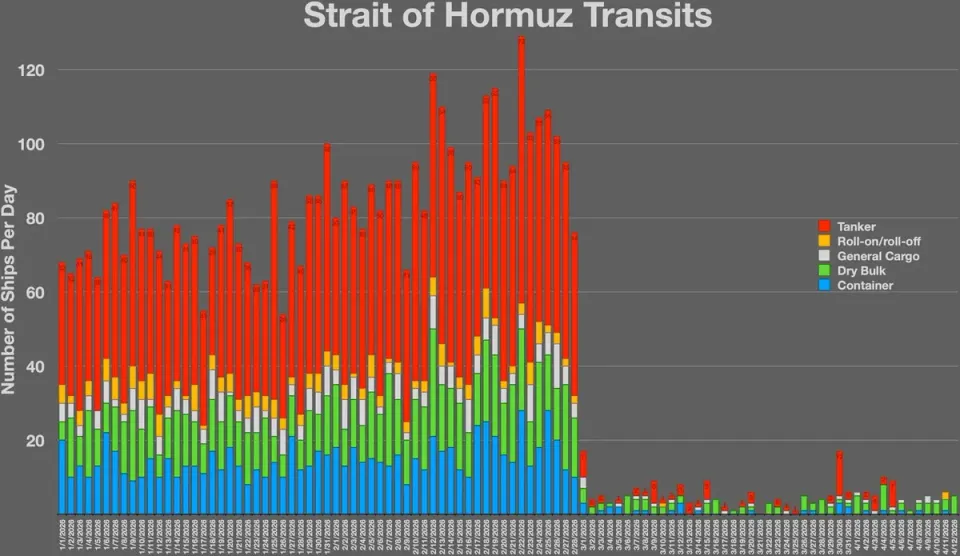
Among these critical passages, the Strait of Hormuz stands out as arguably the world's most vital oil transit chokepoint. Located between Oman and Iran, it connects the Persian Gulf to the open ocean, serving as the sole maritime outlet for the vast oil and liquefied natural gas (LNG) exports from major producers like Saudi Arabia, Iran, UAE, Kuwait, and Iraq. Over 20% of the world's petroleum liquids consumption, equating to millions of barrels per day, passes through this narrow strait, underscoring its indispensable role in global energy security.
The immense volume of energy flowing through the Strait of Hormuz imbues it with profound geopolitical significance. Any threat of a naval blockade or military action in the strait, as suggested by "Tehran Signals Blockade Defense" in the headline, immediately triggers global concerns. Such actions could severely restrict the flow of oil, leading to sharp spikes in crude prices, impacting economies worldwide, and potentially escalating into broader international confrontations. This is why concepts like an "energy ceasefire" become relevant in diplomatic discussions.
The security and unimpeded passage through strategic chokepoints like Hormuz are therefore paramount for global economic stability. Disruptions can not only create immediate energy crises but also fuel inflation, strain international trade relations, and impact currency valuations, as markets react to heightened uncertainty and supply chain vulnerabilities. Understanding the strategic importance of these chokepoints is key to grasping the intricate connections between geopolitics, energy markets, and the health of the global economy.
Topics
Related Articles