Pezeshkian Decries Gaza 'Genocide' as Iran Offers to Mediate Houthi-Saudi Conflict Amid Market Volatility
هشدار پزشکیان درباره نسلکشی در غزه؛ پیشنهاد میانجیگری ایران میان حوثیها و ریاض در میانه نوسان بازار
President Pezeshkian has intensified rhetoric against US 'complicity' in Gaza while Tehran offers to mediate between Houthi rebels and Saudi Arabia. Meanwhile, domestic markets see a slight retreat in USD and gold prices as global oil reacts to a potential 'energy ceasefire' between Russia and Ukraine.
At time of publishing
USD
262,100
Toman
Gold 18K
26.07M
Toman / gram
Bitcoin
$83,091
US Dollar
Tether
261,618
Toman
Pezeshkian Blames US for Gaza Crisis
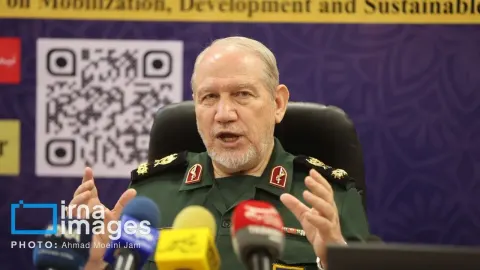
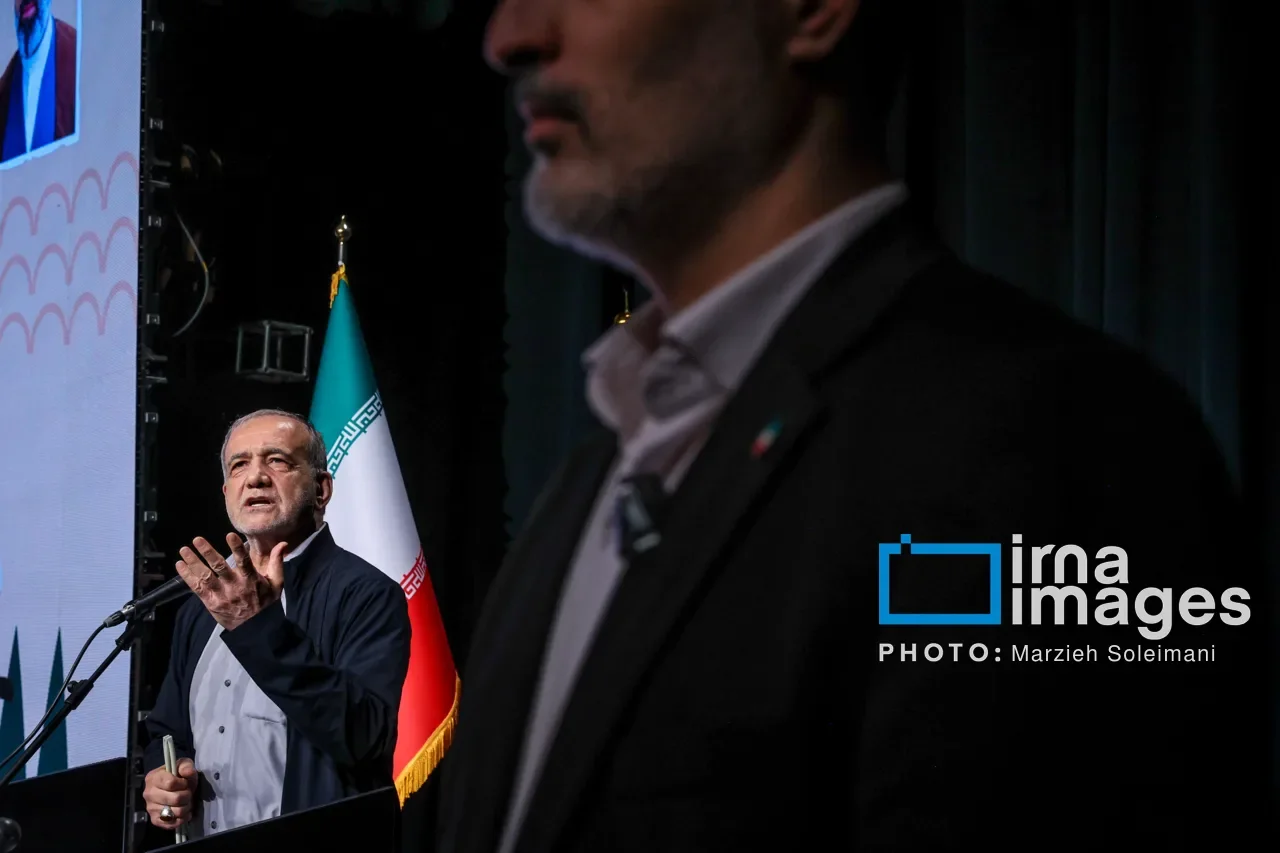
President Masoud Pezeshkian has once again utilized the state media apparatus to deliver a sharp rebuke of Western policy in the Middle East. Speaking through the official IRNA news agency, Pezeshkian characterized the ongoing military operations in the Gaza Strip as a 'genocide' and explicitly named the United States as a complicit partner in the unfolding humanitarian disaster. This rhetoric comes at a time when Tehran is seeking to balance its hardline ideological stance with a pragmatic need to manage regional escalations that threaten its own economic stability. By framing the conflict as a joint US-Israeli endeavor, the Iranian leadership continues to signal that any de-escalation must involve significant concessions from Washington.
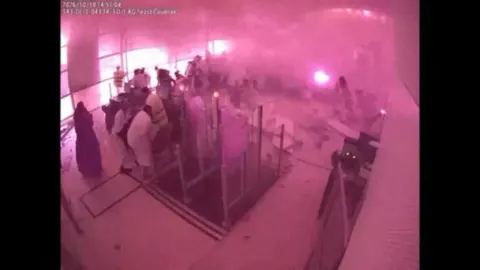
Beyond the rhetoric, the Iranian government has taken a calculated diplomatic step by offering to mediate between its Houthi allies in Yemen and Saudi Arabia. This offer follows a series of precision strikes by the Houthis on Saudi infrastructure, including the King Khalid International Airport in Riyadh. While the Houthis have proven to be a resilient and difficult force to combat due to their guerrilla tactics, Tehran’s offer to mediate suggests a desire to position itself as a regional powerbroker. For the Iranian public, these geopolitical maneuvers are closely watched, as the threat of a wider regional war remains the primary driver of currency volatility and inflation expectations in the local market.

---
Domestic Markets: A Brief Respite for the Toman
Despite the heated regional rhetoric, the Iranian domestic market witnessed a slight cooling during the Monday trading session. The USD sell rate moved from 264,000 to 262,100 Toman, marking a 0.7% decrease over the last 24 hours. This minor retreat suggests that the market had already priced in much of the weekend’s tension and is now entering a phase of cautious consolidation. Similarly, Gold 18k per gram saw a 0.8% decline, falling from 26,273,142 to 26,074,611 Toman. The Emami coin also tracked this downward trend, dropping 1.1% to settle at 265,500,000 Toman. These movements indicate that while the geopolitical 'war premium' remains high, there is no immediate panic-buying occurring at the 16:00 Tehran mark.
In the global context, oil prices are caught in a tug-of-war between Middle Eastern escalation and the potential for a 'Russia-Ukraine energy ceasefire' proposed by the Trump administration. Brent Crude remains elevated at approximately $104 per barrel, but the slight 0.2% dip shows that traders are weighing the possibility of increased supply if a truce is reached in Eastern Europe. For Iran, high oil prices are a double-edged sword; while they increase potential revenue, they also invite stricter sanction enforcement and heighten the risk of military strikes on energy infrastructure, a fear that continues to keep the Toman under long-term pressure.
---
UK Political Frictions and the Cyber Frontier
Across the globe, the United Kingdom is grappling with its own set of internal and external pressures. Nigel Farage, leader of Reform UK, has sparked a fresh political firestorm by labeling Andy Burnham a 'liar' regarding claims of Russian interference in the Brexit campaign. Farage’s dismissal of the 'Russia hoax' highlights the deepening polarization within British politics, especially as the country faces economic challenges and a potential £35bn budget gap. This political instability in a major G7 economy contributes to a general sense of global uncertainty, which often drives investors toward safe-haven assets like gold and Bitcoin, indirectly impacting the broader financial sentiment.
Furthermore, the UK’s AI minister, Kanishka Narayan, has issued a stark warning that the nation’s cyber defenses are 'likely' to be breached. The government is reportedly pivoting toward advanced AI tools to fortify its infrastructure against increasingly sophisticated attacks. This focus on technological warfare mirrors the 'precision strikes' mentioned in the context of the Houthi-Saudi conflict, illustrating that the modern battlefield is as much digital as it is physical. For global markets, these warnings underscore the rising cost of security and the potential for digital disruptions to trigger sudden market shocks, a reality that crypto investors and traditional traders alike must now navigate.
---
Bitcoin Stability and Saylor’s Growing Empire
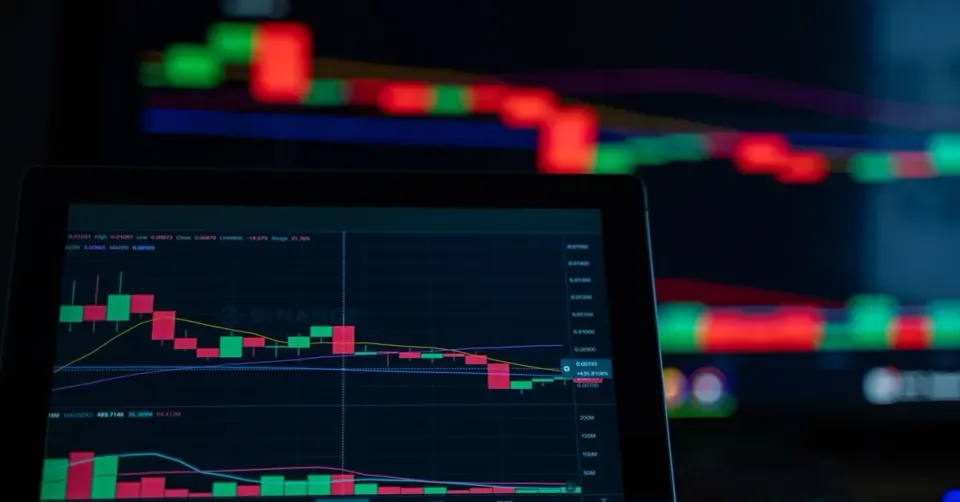
In the cryptocurrency sector, Bitcoin continues to range near the $83,000 mark as traders await the upcoming US inflation data. While the 24-hour price action has been relatively stable, the institutional appetite for the asset shows no signs of slowing down. Michael Saylor’s MicroStrategy has reportedly acquired another 250 BTC for approximately $21.5 million. This brings the company’s total holdings to a staggering 848,250 BTC, representing roughly 4% of the total supply cap. Saylor’s aggressive 'orange' strategy continues to provide a floor for Bitcoin’s price, even as Treasury yields hit two-decade highs and dampen risk appetite elsewhere.
The divergence between Bitcoin’s resilience and the volatility in traditional currencies like the Toman highlights the growing role of digital assets as a hedge against geopolitical and inflationary risks. In Iran, USDT (Tether) remains a popular vehicle for wealth preservation, currently trading at 261,618 Toman. As the global economy faces a potential 'points pile-up' of inflation and debt, the consolidation of Bitcoin in institutional hands suggests a long-term shift in how value is stored and transferred across borders, regardless of regional conflicts or political rhetoric.
Frequently Asked Questions
Why did the USD price decrease despite regional tensions?
What is the significance of Iran's mediation offer to Saudi Arabia?
How does the 'energy ceasefire' between Russia and Ukraine affect Iran?
Understanding Geopolitical Risk
Geopolitical risk refers to the potential for political events, conflicts, or instability in one region to significantly impact global or regional markets, economies, and international relations. Unlike purely economic or corporate risks, geopolitical risks stem from non-economic factors such as wars, diplomatic tensions, political upheavals, or terrorist acts. These events introduce a profound level of uncertainty, making it difficult for investors, businesses, and policymakers to predict future outcomes and plan accordingly.
The recent headline and associated keywords highlight several prominent examples of geopolitical risk in action. The ongoing conflict in Gaza, the proposed mediation in the Houthi-Saudi conflict, and past events like the Riyadh airport attack all represent sources of regional instability. Such events create an environment of heightened fear and unpredictability, which often translates directly into market reactions. For instance, the mention of "market volatility" directly reflects how investors react to these uncertainties, often by withdrawing from riskier assets or seeking safe havens.
The economic consequences of geopolitical risk are far-reaching. We often see significant fluctuations in currency exchange rates, such as the "USD IRR price" mentioned, as investors react to perceived instability in a country or region. Commodity prices, particularly oil, are highly sensitive to Middle Eastern tensions due to the region's critical role in global energy supply. Gold, often referred to as a "safe-haven asset," typically sees its price rise during periods of geopolitical turmoil, as investors flock to it as a store of value when other assets seem risky. This explains the interest in "Iran gold price 18k" in such contexts.
Ultimately, understanding geopolitical risk is crucial for anyone trying to make sense of global economic trends. It demonstrates how political developments can override traditional economic fundamentals, influencing everything from national currency values and commodity prices to international investment flows and overall market sentiment. For businesses and investors operating in or exposed to volatile regions, monitoring and assessing geopolitical risks becomes an indispensable part of strategic planning and risk management.
Topics
Related Articles