India’s Electoral Crisis Deepens in Delhi While Bitcoin Stalls Below $84k and Tehran Eyes Baku Cooperation
بحران انتخاباتی در دهلی و ایست بیتکوین پشت سد ۸۴ هزار دلاری؛ تهران و باکو در مسیر توافق
Massive protests have erupted in New Delhi following the removal of 130 million people from electoral rolls, leading to a militarized crackdown in the Indian capital. Meanwhile, Bitcoin remains pinned below $84,000 due to a broader tech sell-off, and Iran moves to formalize disaster management cooperation with Azerbaijan.
At time of publishing
USD
260,500
Toman
Gold 18K
25.75M
Toman / gram
Bitcoin
$83,665
US Dollar
Tether
256,988
Toman
Delhi Under Lockdown: The 'Cockroach' Protests and Electoral Integrity
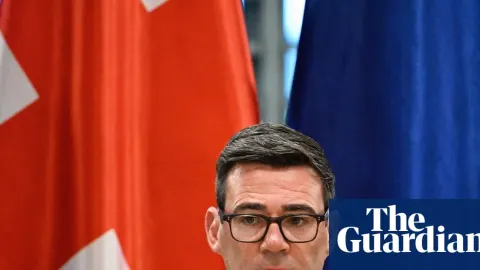
The streets of New Delhi have been transformed into a militarized zone as the Indian government intensifies its crackdown on protesters led by the Cockroach Janta party. The unrest stems from a highly contentious revision of electoral rolls that resulted in the removal of a staggering 130 million people from the voting registry. This move has sparked accusations of democratic backsliding and a deliberate attempt to disenfranchise specific demographics ahead of upcoming elections. Authorities have responded with a massive dragnet, canceling hundreds of trains and shutting down dozens of metro stations to prevent demonstrators from converging on the capital.

The situation escalated significantly on Tuesday, سهشنبه ۲۱ مهر ۱۴۰۵, as protest leaders were detained after attempting to breach barricaded sites in central Delhi. For Iranian observers, the stability of India is not merely a distant geopolitical concern; India remains a critical trade partner and a key stakeholder in the development of the Chabahar port. Any prolonged internal instability in India could disrupt regional logistics and trade corridors that Tehran is counting on to bypass Western-led sanctions. The use of internet blackouts and liquor shop closures in Delhi mirrors tactics often seen in regional crackdowns, signaling a hardening of the Indian state's stance against internal dissent.
Bitcoin Pinned Below $84k Amid Global Tech Sell-off
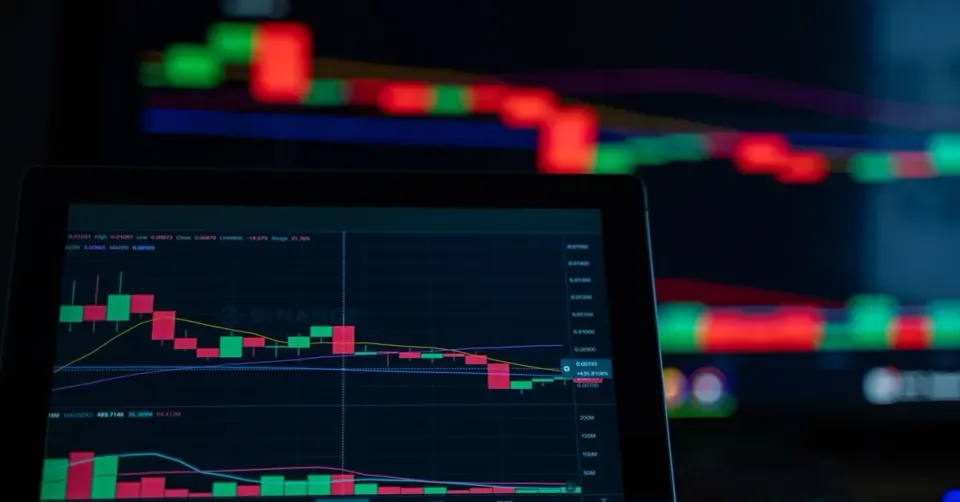
In the digital asset markets, Bitcoin is struggling to maintain its upward momentum, currently trading at $83,665. The cryptocurrency has been unable to break the $84,000 resistance level, largely due to a significant rout in Asian chip stocks that has bled into the broader tech and crypto sectors. Over the last 24 hours, approximately $800 million in leveraged positions were liquidated, with a vast majority being bullish bets that were caught off guard by the sudden market cooling. This consolidation phase comes as investors weigh the IMF's latest warnings about global economic resilience and the potential for a 'tech-heavy' contraction in the coming quarters.
Domestically, the Iranian market is showing signs of decoupling from global volatility. The USD/IRR exchange rate remained remarkably flat at 260,500 Toman, showing a 0.0% change over the last 24 hours. However, gold prices saw a slight retreat, with 18k gold dropping from 25,919,940 to 25,746,802 Toman, a decrease of 0.7%. This downward movement in gold mirrors the cautious sentiment in global bullion markets as the US Dollar gains strength against other major currencies. For local investors, the stability of the dollar against the backdrop of falling gold prices suggests a temporary equilibrium in the Tehran market, though the underlying geopolitical tensions remain a constant shadow over long-term planning.
Tehran-Baku Diplomacy and Regional Pragmatism
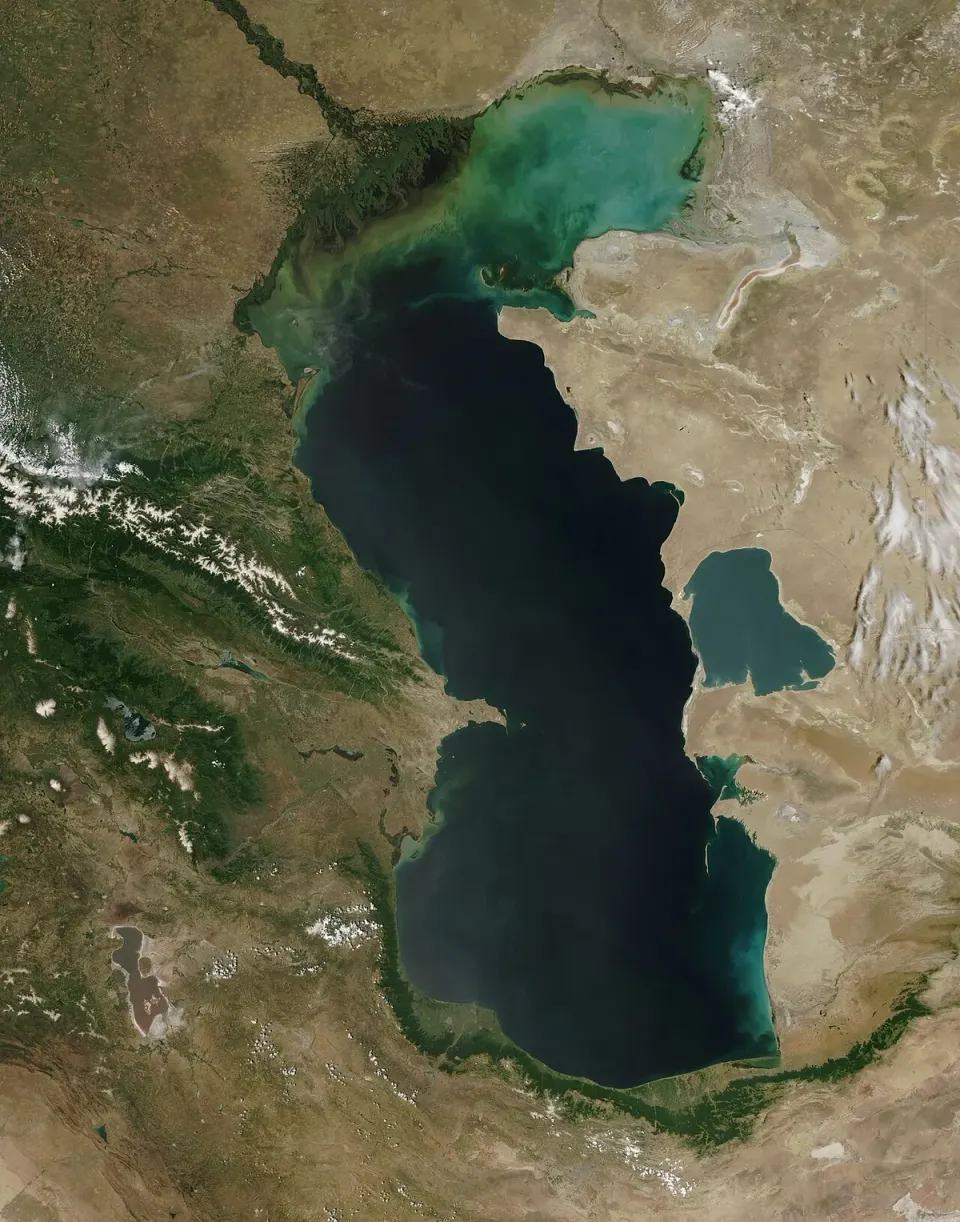
While global headlines focus on conflict, a quieter diplomatic movement is occurring between Tehran and Baku. Interior Minister Eskandar Momeni announced that Iran and Azerbaijan are currently drafting an official document to strengthen cooperation in managing natural disasters. This technical agreement is being viewed by analysts as a pragmatic step toward thawing the often-chilly relations between the two neighbors. By focusing on non-political issues like disaster management, both nations are attempting to build a framework for communication that could eventually lead to more significant economic or security pacts.
At the same time, state media has been active in projecting internal cohesion, with IRNA’s Managing Director Hossein Jaberi-Ansari making a high-profile visit to Lamerd in Fars Province to pay homage to 'martyrs.' These visits are a staple of the government's narrative strategy, aiming to reinforce loyalty and project a sense of continuity in the face of external economic pressures. However, the real test for the administration remains the economy. While technical pacts with Azerbaijan are positive, they do not address the systemic issues of inflation and currency devaluation that continue to erode the purchasing power of the average Iranian citizen. The gap between state-led symbolic gestures and the lived reality of the market remains the primary source of tension within the country.
Frequently Asked Questions
Why did Bitcoin fail to break $84,000 today?
What is the cause of the massive protests in New Delhi?
How did the gold price change in Tehran today?
What is the new agreement between Iran and Azerbaijan?
Understanding Geopolitical Risk
Geopolitical risk refers to the potential for political events, instability, or tensions between countries or within regions to disrupt global affairs, economies, and markets. It encompasses more than just armed conflict; it also includes trade disputes, elections, sanctions, diplomatic shifts, and internal political unrest. In an increasingly interconnected world, understanding these risks is crucial for anyone trying to make sense of global events.
These risks manifest in various ways across the globe. For instance, internal political protests in a country like India can create significant uncertainty for domestic and international investors, potentially impacting economic stability and policy direction. Similarly, in the Middle East, shifts in relations between nations such as Iran and Azerbaijan, or the stability of strategic infrastructure projects like the Chabahar port, are direct reflections of complex geopolitical dynamics. Such events can profoundly influence investor confidence, global supply chains, and regional stability.
The economic consequences of geopolitical risk are far-reaching. It often leads to increased market volatility, causing investors to re-evaluate their portfolios. They might flee perceived "risky" assets like stocks or even cryptocurrencies (as seen with Bitcoin stalling) in favor of traditional "safe havens" such as gold, which can drive up its price, particularly in regions experiencing heightened uncertainty like Tehran. Furthermore, geopolitical tensions can directly impact currency exchange rates, such as the USD/IRR, especially when coupled with sanctions or regional conflicts.
Ultimately, in today's globalized economy, a crisis or significant political shift in one region can send ripple effects across continents, influencing everything from energy prices and commodity markets to technology sector investments and international trade routes. Therefore, grasping the concept of geopolitical risk is essential for navigating the complexities of global markets and anticipating economic trends, as seemingly disparate news headlines are often subtly linked by underlying political and strategic currents.