UK’s New Course: Burnham Eyes EU Return as London Points Finger at IRGC
چرخش بزرگ لندن به سوی اروپا؛ اتهامزنی بیسابقه برنهام علیه سپاه در میانه بحران اقتصادی
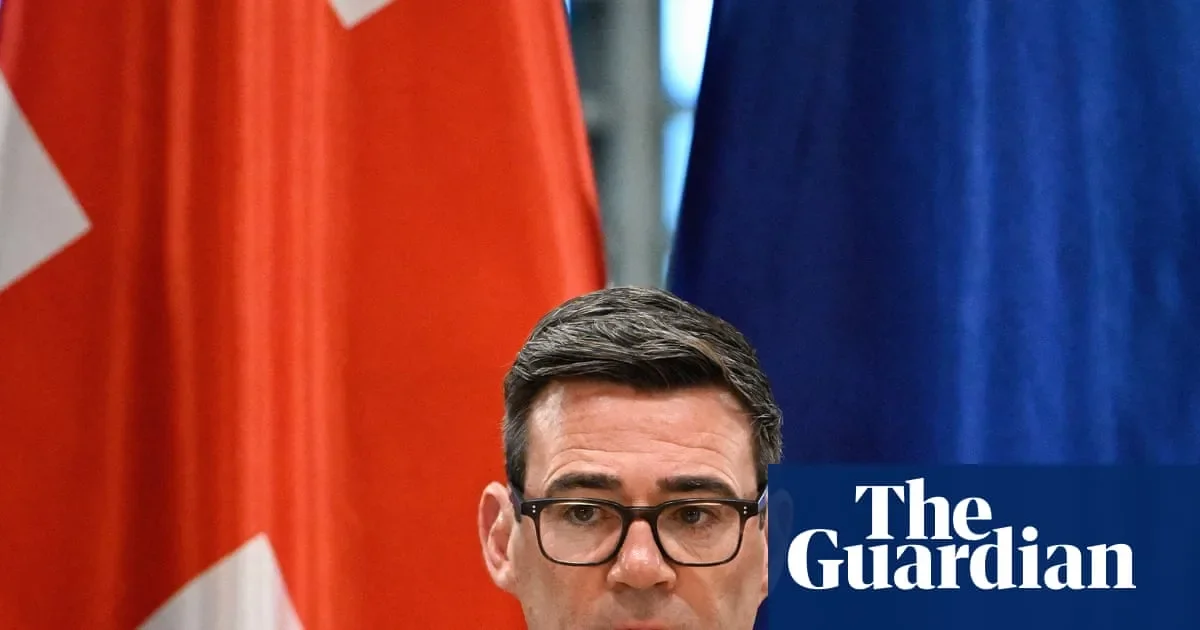
Prime Minister Andy Burnham signals a historic pivot for Britain, seeking closer EU ties while explicitly blaming the IRGC for security threats. Meanwhile, the IMF warns of an impending AI-driven market crash as global resilience reaches its limit.
At time of publishing
USD
260,400
Toman
Gold 18K
25.81M
Toman / gram
Bitcoin
$83,623
US Dollar
Tether
260,199.492
Toman
Market Open — Tuesday, October 13, 2026
The Tehran market opened this Tuesday morning with a slight cooling of the recent feverish activity, though prices remain at historically elevated levels. The US Dollar (USD/IRR) saw a marginal decline, slipping from 260,600 to 260,400 Toman, a move of -0.1% that suggests a temporary consolidation rather than a trend reversal. This minor dip comes as traders digest regional diplomatic signals and a slight retreat in global oil prices, which have eased back to $105 per barrel despite ongoing geopolitical friction.
Gold and coinage followed a similar path of cautious retreat. 18k gold per gram fell by 0.4%, moving from 25,919,940 to 25,813,749 Toman. Meanwhile, the Emami gold coin remained stagnant at 264,500,000 Toman, showing 0.0% change over the last 24 hours. In the digital asset space, Bitcoin continues its bullish dominance, trading at $83,623 as institutional interest offsets broader macroeconomic warnings from the IMF. For the Iranian investor, the message is clear: while the currency has paused for breath, the underlying global volatility in energy and technology is far from over.
Burnham’s Britain: A Pivot to Europe and a Hardline on Tehran
In a dramatic shift from the "Brexit means Brexit" era, UK Prime Minister Andy Burnham has signaled the start of a long-term strategy to bring Britain back into the European orbit. Speaking on his first day back after the party conference, Burnham described the last decade as one of "drift and division," explicitly blaming Russian interference for the 2016 referendum result. This rhetorical break from both the Conservatives and Keir Starmer’s cautious approach suggests that London is ready to renegotiate its economic and political future with Brussels, a move that could reshape trade dynamics across the Atlantic and beyond.
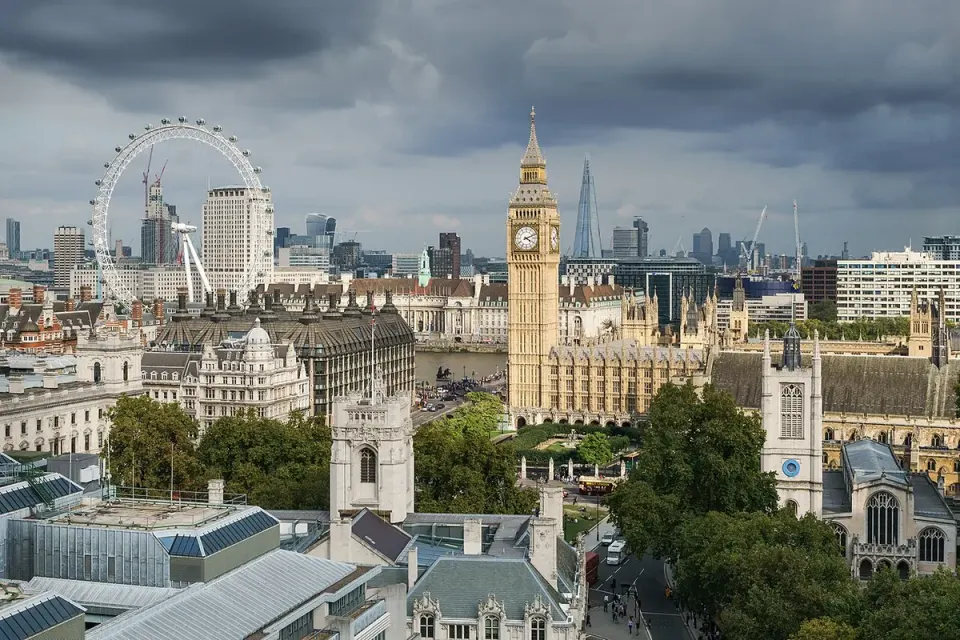
However, this diplomatic softening toward Europe is coupled with a significantly harder stance on Middle Eastern geopolitics. Burnham has made the firmest attribution of responsibility to date regarding security threats against RAF Fairford, stating that the Islamic Revolutionary Guard Corps (IRGC) were "almost certainly" behind recent provocations. This direct naming of the IRGC marks a departure from typical British diplomatic ambiguity and suggests that any future UK-EU alignment will likely include a more coordinated and aggressive stance on Iranian regional activities and sanctions enforcement.
For the Iranian market, this is a double-edged sword. On one hand, a more stable UK economy integrated with the EU could lead to more predictable global trade. On the other, the hardening of London’s security rhetoric increases the risk of new, targeted sanctions and diplomatic isolation. As Burnham seeks to repair the damage of Brexit, Tehran finds itself as the primary target of his administration's attempt to project a strong, unified Western security front.
Tehran’s Diplomatic Dance: Pragmatism or Posturing?
Against the backdrop of tightening European rhetoric, Iranian officials are attempting to project an image of diplomatic openness. Foreign Minister Abbas Araghchi stated overnight that the ministry is pursuing "serious diplomatic avenues" to safeguard national interests and counter the impact of international sanctions. This follows a pattern of Tehran attempting to de-escalate through dialogue whenever the threat of coordinated Western action—like the new UK-EU alignment—becomes more tangible. Araghchi’s comments are clearly aimed at maintaining a window for negotiation before the geopolitical climate cools further.
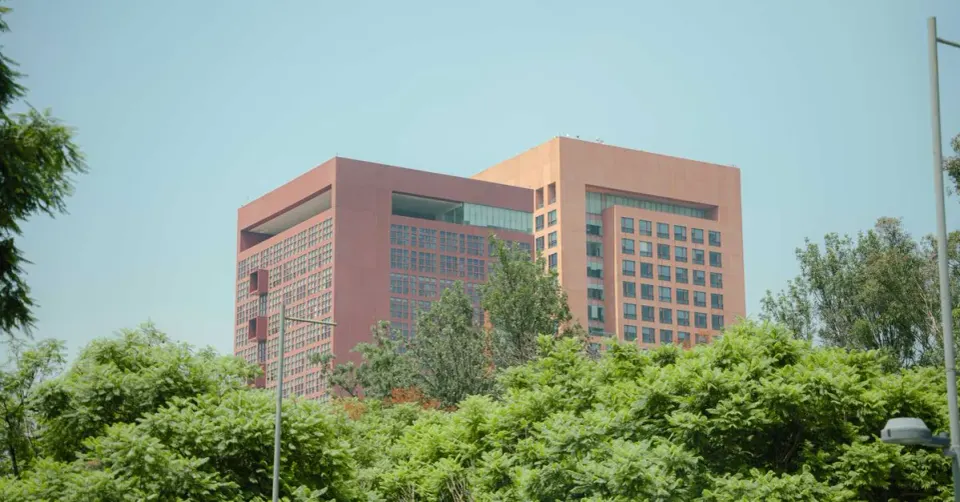
Supporting this narrative, Deputy Foreign Minister Kazem Gharibabadi emphasized that while Iran remains "open to diplomacy," it is also "well-prepared to defend itself." This classic "iron fist in a velvet glove" approach highlights the internal pressure the government faces: they must appear strong to their domestic base while desperately needing the sanctions relief that only diplomacy can provide. Gharibabadi’s insistence that negotiations must be based on "realistic proposals" suggests that Tehran is not yet ready to make the major concessions that the West, particularly a newly emboldened UK, might demand.
This diplomatic maneuvering is happening as global oil prices show signs of weakness. Saudi Arabia’s pledge to keep exports flowing despite Houthi attacks has taken the steam out of a potential price spike. For Iran, lower oil prices combined with the threat of more rigorous sanctions enforcement from a Burnham-led UK creates a precarious fiscal outlook. The market is watching these diplomatic signals closely, as any breakdown in communication could lead to another spike in the USD/IRR rate.
IMF Warning: The AI Bubble and the Resilience Limit
The International Monetary Fund (IMF) has issued a stark warning that the global economy is entering a period of extreme danger. In its latest Global Financial Stability Report, the fund highlighted that sky-high valuations for AI companies, combined with a mounting debt pile, have put the world’s financial stability at risk. The IMF is concerned that a sudden correction in tech stocks could ripple through global markets, causing a "K-shaped" recovery where only those with minimal oil exposure and high AI efficiency survive, while others—including emerging markets—collapse under the weight of debt.

Furthermore, the IMF warned that the global economy is testing its "limits of resilience." With emergency oil stocks running low and government budgets overstretched by years of crisis management, there is little room for error. The report specifically mentioned that while growth has withstood Middle East conflicts better than expected, the structural weaknesses in the system are now too large to ignore. For Iranian observers, this means that even if regional tensions subside, the global macroeconomic environment is becoming increasingly hostile to countries with high inflation and limited access to international capital.
What this means for the average reader is a period of heightened volatility. If the AI bubble bursts, as the IMF fears, the flight to safety will likely drive up the value of the US Dollar and Gold, even as global demand for commodities like oil potentially falls. In such a scenario, the Iranian Toman would face renewed pressure. The current stability in the Tehran market may be the calm before a global financial storm that is being brewed in the boardrooms of Silicon Valley and the halls of the IMF in Washington.
Frequently Asked Questions
چرا اتهامات اندی برنهام علیه سپاه برای بازار ایران اهمیت دارد؟
هشدار IMF درباره هوش مصنوعی چه ارتباطی به سرمایهگذار ایرانی دارد؟
علت کاهش جزئی قیمت دلار و طلا در صبح سهشنبه چیست؟
Understanding Secondary Sanctions: How They Target the IRGC and Shape Global Finance
Secondary sanctions are a powerful tool that allows countries to penalise non‑domestic firms or individuals who facilitate prohibited activities, even if those actors are not directly subject to the sanctioning country's primary laws. Unlike primary sanctions, which apply only to entities within the sanctioning jurisdiction, secondary sanctions extend the reach of a policy by threatening to cut off access to the sanctioning country's financial system, markets, or trade for anyone who does business with the targeted party. This mechanism is designed to close loopholes that would otherwise let sanctioned actors, such as Iran’s Islamic Revolutionary Guard Corps (IRGC), continue to obtain goods, technology, or financing through third‑party intermediaries.
The IRGC has been a focal point for secondary sanctions because of its involvement in Iran’s nuclear programme, regional militancy, and illicit networks. When the United Kingdom, the United States, or the European Union impose secondary sanctions on the IRGC, they effectively warn banks, exporters, and investors worldwide that any transaction with the corps could result in being barred from the UK’s financial markets, losing access to the Euro‑clear system, or facing hefty fines. This pressure forces many multinational firms to conduct rigorous due‑diligence checks, often leading to the freezing of assets, denial of insurance, and the cancellation of contracts that could indirectly benefit the IRGC.
The economic ripple effects are profound. By restricting the IRGC’s ability to move money abroad, secondary sanctions can depress the value of Iran’s currency (the rial) and push up the price of gold, a traditional safe‑haven for Iranians facing inflation and limited access to foreign exchange. The sanctions also influence broader UK‑EU relations, as both blocs coordinate to present a united front against Iran’s destabilising activities, while simultaneously navigating the political sensitivities of their own domestic constituencies, such as the criticism from politicians like Andy Burnham.
Critics argue that secondary sanctions can overreach, harming ordinary civilians and global supply chains. Nevertheless, they remain a central pillar of modern sanctions policy, leveraging the interconnectedness of the global financial system to compel behavioural change where direct diplomatic leverage is limited. Understanding how secondary sanctions operate helps explain why headlines now link UK political figures, IMF warnings, and volatile exchange rates to the broader strategy of isolating the IRGC.
For anyone following the evolving landscape of Iran‑related sanctions, grasping the mechanics of secondary sanctions offers a clear lens through which to interpret policy moves, market reactions, and diplomatic statements coming from London, Brussels, and Washington alike.
Topics
Related Articles