G20 Convenes Over Iran Conflict Fallout as Toman Hits 266,400 and Gold Prices Surge
نشست اضطراری جی۲۰ برای بررسی پیامدهای جنگ ایران؛ دلار به ۲۶۶ هزار تومان رسید
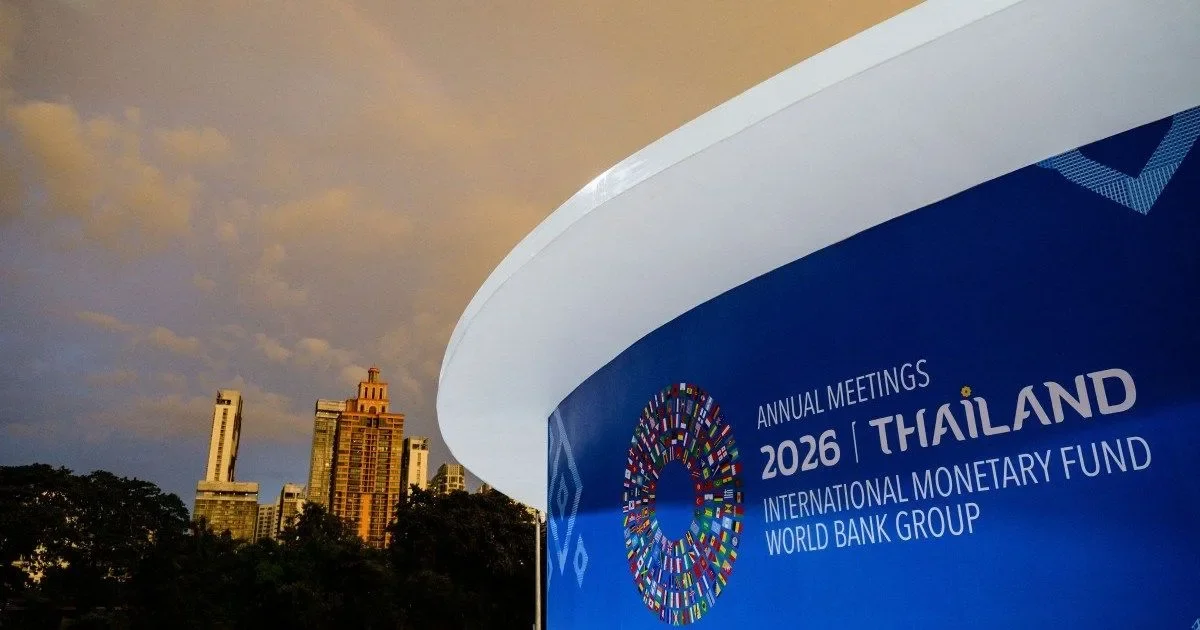
Finance ministers and central bankers have gathered in Thailand to address the economic shockwaves of the ongoing conflict in Iran, as energy prices spike globally. Meanwhile, the Iranian Toman continues its slide, and gold reaches new local highs as investors seek safety.
At time of publishing
USD
266,400
Toman
Gold 18K
26.28M
Toman / gram
Bitcoin
$80,762
US Dollar
Tether
266,158.375
Toman
G20 Finance Chiefs Pivot to Iran Conflict as Global Markets Shiver
Finance ministers and central bank governors from the world’s largest economies have convened in Thailand this morning, with the primary agenda dominated by the escalating economic fallout from the conflict in Iran. The meeting comes at a critical juncture where the 'war premium' on energy is no longer a theoretical risk but a tangible reality, driving up logistics costs and threatening to derail the fragile post-inflation recovery in the West. Officials are reportedly discussing coordinated measures to stabilize energy markets, though the uncertainty surrounding the duration and intensity of the regional conflict remains a significant hurdle for any long-term policy planning.
For the global economy, this gathering represents a desperate attempt to contain the contagion. As the conflict drives energy prices higher, central bankers are faced with a nightmare scenario: a return of supply-side inflation just as they were preparing to pivot toward interest rate cuts. The outcome of these discussions in Thailand will likely dictate the tone of global markets for the remainder of the quarter, as investors wait to see if the G20 can offer more than just rhetorical support for stability in the face of shifting geopolitical alliances.

The Toman and Gold: Domestic Markets React to Geopolitical Tension
The domestic Iranian market has responded to the international diplomatic scramble with heightened volatility. In the last 24 hours, the USD/IRR moved from 265,200 to 266,400, representing a 0.5% increase in the value of the dollar against the Toman. This movement reflects a broader lack of confidence in local currency stability as the regional situation remains fluid. Simultaneously, the price of gold has seen even more aggressive gains. Gold 18k/gram rose from 26,136,940 to 26,282,376 (+0.6%), while the benchmark Emami coin jumped from 268,000,000 to 271,000,000, a significant 1.1% increase in just one day.
This flight to safety is a classic reaction to the rhetoric coming out of Tehran. Parliament Speaker Mohammad Bagher Ghalibaf recently claimed that Iran must combine military action with negotiations to establish 'lasting deterrence,' arguing that agreements alone cannot guarantee security. For the average Iranian citizen, such statements often signal a prolonged period of tension rather than a swift resolution. Consequently, the demand for hard assets like gold and stablecoins is surging, as the public attempts to hedge against the potential for further currency devaluation and the possibility of tighter international sanctions.
UK Economy’s Fragile Growth Amidst a Global Cost-of-Living Crisis
While the Middle East dominates the headlines, the UK economy provided a surprise this morning by growing 0.1% in August, defying forecasts that suggested a contraction. However, this marginal growth masks a deeper malaise. According to the Trades Union Congress (TUC), UK households have been forced to pay an staggering extra £13,961 on bills since 2021 due to soaring inflation. This data highlights the extreme pressure on consumer spending, which actually fell despite the slight uptick in overall GDP. The disconnect between macroeconomic growth and household reality is becoming a central theme for the new Chancellor, John Healey, as he prepares his first budget.
What this means for the global landscape is that the world’s major economies are entering this new period of geopolitical instability with very little 'fat' left to trim. With households already stretched to their limits by the previous inflation cycle, there is minimal resilience to absorb a new energy price shock caused by the Iran conflict. If the G20 cannot find a way to mitigate the rising costs of energy, the marginal growth seen in countries like the UK could quickly evaporate, leading to a broader global recession that BlackRock CEO Larry Fink has warned could be triggered by high national debt and infrastructure costs.
Bitcoin Stabilizes Near $80,000 as Security Concerns Rise in Asia
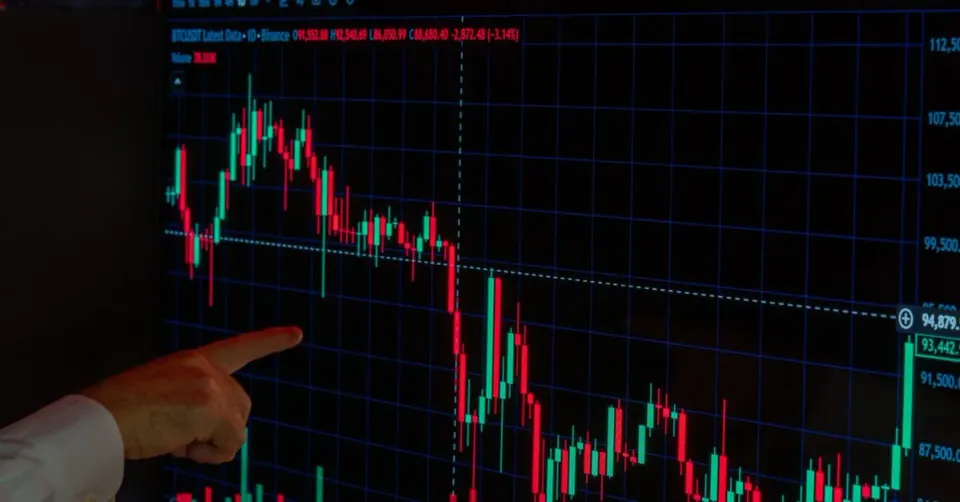
In the digital asset space, Bitcoin (BTC) is currently trading at $80,762, attempting to find a floor after recent volatility. The crypto market is increasingly being viewed through two lenses: a speculative risk asset and a potential hedge against traditional financial system failures. As South Korea announces a major cybersecurity overhaul following attacks on its banks and crypto firms, the focus is shifting toward the robustness of digital infrastructure. The South Korean government is proposing tougher assessments for financial firms, a move that could set a precedent for crypto regulation across Asia and impact how institutional capital flows into the region.
For Iranian crypto users, the $80,000 level for Bitcoin remains a psychological anchor. Despite the global turmoil, the demand for USDT remains high, with the Toman-denominated price of Tether sitting at 266,158. This parity with the free-market dollar rate shows that the crypto market in Iran is functioning primarily as a secondary foreign exchange market. As global regulators tighten their grip on security and compliance, the ease of access for users in sanctioned jurisdictions may face new challenges, making the current window of liquidity particularly vital for those moving capital out of the local currency.
Frequently Asked Questions
چرا نشست جی۲۰ در تایلند برای بازار ایران اهمیت دارد؟
دلیل جهش ۱.۱ درصدی قیمت سکه امامی در یک روز چیست؟
آیا بیتکوین ۸۰ هزار دلاری میتواند پناهگاه امنی برای ایرانیان باشد؟
Currency Devaluation and Parallel Exchange Markets under Sanctions
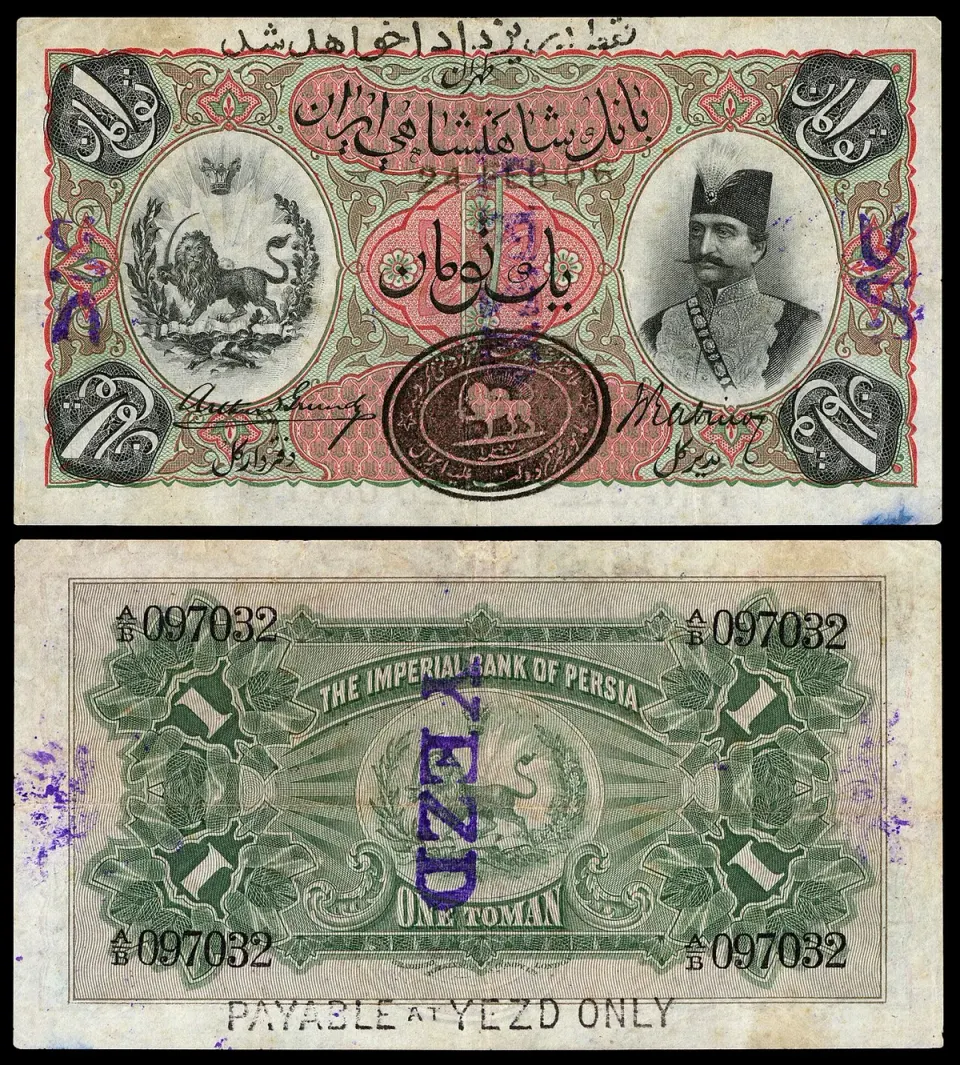
When a country faces extensive international sanctions, its official exchange rate often becomes detached from the reality of supply and demand. Iran’s rial (now officially called the toman) provides a vivid case: sanctions restrict the flow of foreign currency, the central bank’s ability to intervene, and access to global financial systems. As a result, the official USD/IRR rate quoted by the Central Bank can diverge dramatically from the rate on the black‑market, where most Iranians actually buy and sell dollars. This dual‑rate system fuels inflation, erodes purchasing power, and pushes citizens toward alternative stores of value such as gold and cryptocurrencies.
The mechanics are straightforward. Sanctions limit exports of oil, Iran’s main foreign‑exchange earner, and block Iranian banks from using SWIFT. With fewer dollars entering the country, the supply of foreign currency shrinks while domestic demand for imports, debt service, and everyday purchases remains high. The central bank may try to prop up the official rate by selling its dwindling reserves, but once reserves are exhausted the official rate can no longer reflect market conditions, creating a widening gap. Traders then turn to informal markets, where the price of a dollar can be several times higher than the official figure – a phenomenon observed in October 2026 when the toman hit 266,400 per USD.
In such environments, assets perceived as “hard” stores of value—gold, foreign‑denominated bonds, and even Bitcoin—gain popularity. Gold prices in Iran are often quoted in toman per gram; a surge to 18 k toman per gram mirrors both the rial’s depreciation and global commodity price trends. Cryptocurrencies, while volatile, offer a way to bypass traditional banking channels, leading to headlines about Bitcoin finding support around the 80,000 USD level for Iranian investors. Understanding these dynamics helps explain why G20 leaders focus on sanction policies and why energy‑price shocks in the Middle East reverberate through global markets.
For policymakers, the key lesson is that sanctions are not just political tools; they reshape entire financial ecosystems. Managing the fallout requires coordinated diplomatic effort, targeted humanitarian exemptions, and mechanisms to stabilize exchange rates without exacerbating inflation. The G20’s discussions on Iran’s conflict fallout therefore intersect with broader debates on how to maintain global financial stability while enforcing geopolitical objectives.