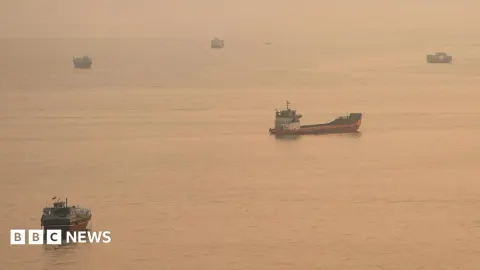
Trump Weighs Easing 'Shadow Fleet' Sanctions While Hot U.S. Inflation Rattles Bitcoin
احتمال لغو تحریمهای «ناوگان سایه» توسط ترامپ و شوک تورم آمریکا به بیتکوین
As President Trump considers lifting sanctions on oil tankers to ease global energy costs, a hotter-than-expected U.S. inflation report has sent Bitcoin tumbling below $81,000. Meanwhile, a tragic case at the UK Treasury highlights the hidden human costs of high-stakes financial bureaucracy.
At time of publishing
USD
266,400
Toman
Gold 18K
26.22M
Toman / gram
Bitcoin
$80,541
US Dollar
Tether
266,163.17
Toman
Market Open — Thursday, October 15, 2026
The Iranian market opened this morning with a steady upward lean, as the US Dollar (USD/IRR) rose from 265,200 to 266,400 Toman, marking a 0.5% increase in the last 24 hours. This marginal rise reflects a cautious sentiment among local traders who are closely watching global energy shifts and potential shifts in U.S. sanctions policy. Gold prices also saw a slight uptick, with 18k gold per gram reaching 26,224,664 Toman (+0.3%), while the Emami coin showed more significant volatility, jumping 1.1% to 271,000,000 Toman.
In the global crypto space, the mood is considerably more somber. Bitcoin has slid below the $81,000 mark, currently trading at $80,541. This downward pressure follows the release of a 'hotter' than expected U.S. Consumer Price Index (CPI) report, which has reignited fears of further interest rate hikes by the Federal Reserve. For the Iranian investor, this creates a double-edged sword: a stronger global dollar typically pressures the Rial, even as crypto assets—a popular hedge in Tehran—face a temporary sell-off.
The Human Cost of Bureaucracy: The Chloe Moffat Case
A deeply personal story has gripped the financial world this morning as the parents of Chloe Moffat, a former UK Treasury employee, prepare to meet with senior officials to demand accountability. A coroner recently ruled that the Treasury 'materially contributed' to the 26-year-old's death after she took her own life following a surprise disciplinary meeting. The meeting concerned anonymous allegations of disclosing sensitive information—claims she had denied. Her parents, David and Anne Moffat, are now pushing for those involved in the process to be held responsible, highlighting a toxic culture within one of the world's most powerful financial institutions.
This story matters because it pulls back the curtain on the immense pressure and lack of transparency within the organizations that manage global economies. While markets focus on numbers, the 'Moffat Case' serves as a reminder of the institutional failures that can occur when internal discipline is handled without due process or psychological support. For anyone following financial governance, it raises critical questions about the ethical responsibilities of state treasuries toward their staff during periods of high economic stress.

Trump’s "Shadow Fleet" Pivot: A Lifeline for Oil Markets?
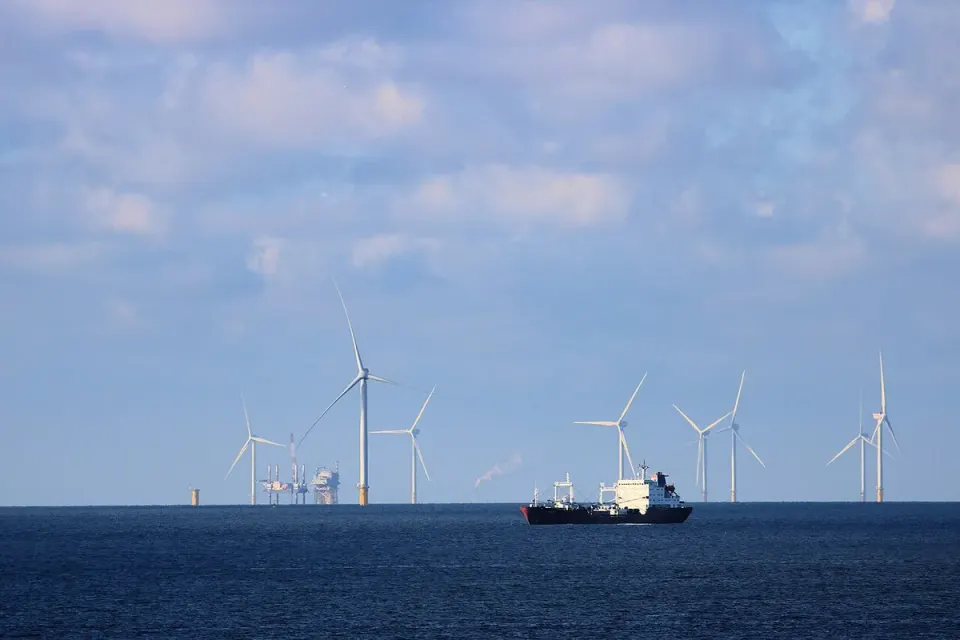
In a move that could fundamentally alter the energy landscape for Iran, Russia, and Venezuela, President Trump is reportedly considering easing sanctions on the so-called 'shadow fleet' of tankers. These are the vessels used to transport oil from sanctioned nations, often operating under opaque ownership to bypass Western restrictions. The rationale behind this potential policy shift is a deepening global tanker crunch that has driven Brent crude prices toward $106 per barrel. By allowing these tankers back into the formal market, the U.S. administration hopes to increase supply and lower energy costs for American consumers.
For Iran, this is a development of massive significance. The 'shadow fleet' has been the primary artery for Iranian oil exports over the last several years. If sanctions are eased, it could lead to a more stabilized flow of revenue, though it would also likely lower the global price of oil, which is currently hovering around $104.39 for Brent. Traders are currently in a 'wait-and-see' mode, as any formal decree from the White House would immediately impact global shipping insurance and maritime logistics.
Inflation Stings: Why Bitcoin and Markets are Recoiling
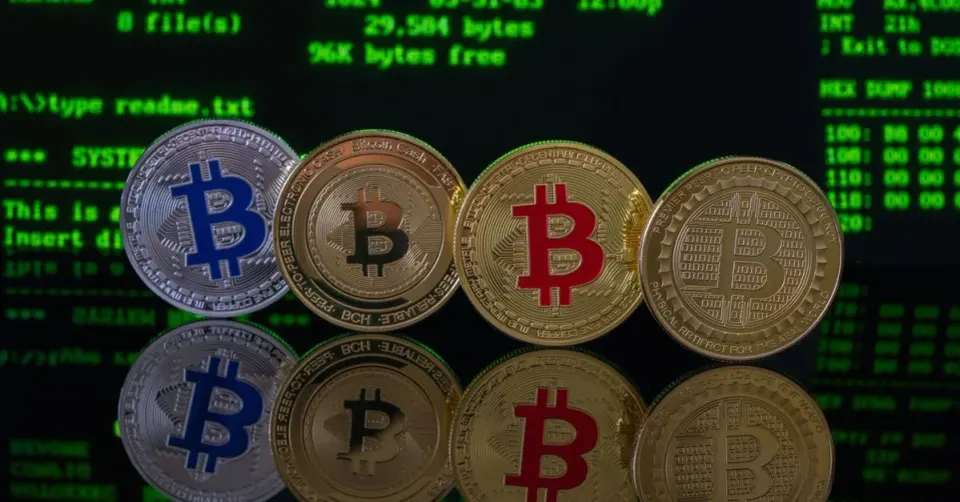
The latest U.S. CPI data has proven to be the 'ghost at the feast' for the crypto market. Bitcoin’s slide to $80,541 is a direct reaction to inflation numbers that came in higher than analysts predicted. When inflation stays high, the Federal Reserve is forced to keep interest rates elevated, which increases the 'opportunity cost' of holding non-yielding assets like Bitcoin and gold. This has triggered a sell-off not just in crypto, but also among Bitcoin mining stocks, some of which plunged up to 13% on Wall Street overnight.
Despite the macro-economic headwinds, the tech sector still shows signs of life. Anthropic, a major rival to OpenAI, has signaled a massive revenue surge to investors as it prepares for its stock market debut. This suggests that while the broader market is worried about inflation, institutional money is still heavily betting on the long-term productivity gains of Artificial Intelligence. For the individual investor, the current climate is one of extreme divergence: traditional 'risk-on' assets are suffering from interest rate fears, while the AI-driven tech frontier remains aggressively bullish.
Frequently Asked Questions
ناوگان سایه چیست و چرا ترامپ میخواهد تحریم آن را لغو کند؟
چرا تورم آمریکا باعث ریزش قیمت بیتکوین شد؟
تاثیر لغو تحریم نفتکشها بر اقتصاد ایران چه خواهد بود؟
Understanding the Shadow Fleet: How Sanctioned Oil Tankers Evade Restrictions
The term shadow fleet refers to a loosely coordinated network of oil tankers that operate under opaque ownership structures, often using flags of convenience to hide their true beneficiaries. These vessels are typically older, less regulated ships that can be quickly chartered to transport oil from sanctioned producers, such as Iran or Russia, to buyers who wish to avoid the scrutiny of official shipping registries. By registering under flags like Liberia, Panama, or the Marshall Islands, the fleet sidesteps many reporting requirements, making it difficult for sanctioning authorities to trace cargoes or enforce penalties.
Shadow fleet activities surged after the United States re‑imposed sanctions on Iranian oil in 2018 and again in 2020, prompting Iranian ship owners to lease vessels from third‑party operators. The practice not only undermines the effectiveness of sanctions but also distorts global oil prices: when a large volume of sanctioned crude slips through the shadow fleet, supply‑side constraints ease, tempering price spikes that would otherwise occur. Analysts therefore monitor the fleet’s movements via satellite AIS data, looking for patterns such as “ship‑to‑ship” transfers in international waters, which are classic hallmarks of evasion.
Economically, the shadow fleet creates a hidden cost for nations enforcing sanctions. Enforcement agencies must allocate additional resources for intelligence gathering, and the illicit trade can fund illicit activities or bolster the economies of sanctioned regimes. Moreover, the fleet’s existence can affect related markets, such as the USD/IRR exchange rate, because oil revenues that bypass sanctions often flow through informal channels, influencing Iran’s foreign‑exchange dynamics. Understanding this mechanism helps explain why policymakers, including former President Trump, consider easing sanctions on the shadow fleet as a bargaining chip in broader diplomatic negotiations.
For cryptocurrency observers, the shadow fleet’s impact on oil markets can indirectly influence assets like Bitcoin. A sudden influx of cheap oil can reduce inflationary pressures, which in turn may affect the appeal of inflation‑hedging assets. Conversely, heightened geopolitical risk can spur investors toward digital stores of value. Thus, the shadow fleet sits at the intersection of geopolitics, energy economics, and financial markets.
In summary, the shadow fleet is more than a collection of aging tankers; it is a strategic tool that sanctions‑evading actors use to sustain oil exports despite international pressure. Recognizing its structure, operational tactics, and broader economic implications equips analysts, investors, and policymakers with a clearer picture of how hidden maritime networks shape global finance and energy stability.