Pezeshkian Rallies Unity Amid 'Economic War' as Bitcoin Battles to Hold $80,000 Support
فراخوان وفاق ملی پزشکیان در «جنگ اقتصادی» همزمان با نبرد بیتکوین برای حفظ کانال ۸۰ هزار دلاری
President Pezeshkian has called for national unity to navigate Iran's economic crisis while the US dollar rises to 267,000 Toman. Meanwhile, Bitcoin is testing critical support levels at $80,000 following a sharp sell-off in Asian equity markets.
At time of publishing
USD
267,000
Toman
Gold 18K
26.25M
Toman / gram
Bitcoin
$81,084
US Dollar
Tether
266,170.63
Toman
Pezeshkian Calls for Unity in the Face of Economic Hardship
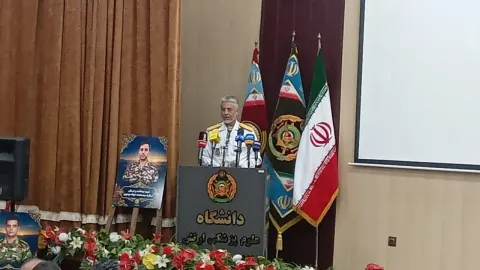
President Masoud Pezeshkian has issued a stern call for national unity, urging government officials to set aside internal disputes to focus on the pressing economic needs of the Iranian public. Speaking at a time when the domestic currency continues to face upward pressure, Pezeshkian characterized the current situation as an "economic war" that requires the mobilization of all national resources. He emphasized that internal cohesion is the only viable path to turning these hardships into opportunities for structural reform, suggesting that the government's priority must remain the livelihood of its citizens above political maneuvering.
This rhetoric comes as the open market rate for the US Dollar in Tehran moved from 265,200 to 267,000 Toman, marking a 0.7% increase in the last 24 hours. For the average Iranian reader, these statements from the presidency are often viewed through the lens of potential policy shifts or upcoming budget decisions. While the call for unity is a recurring theme in Iranian politics, the explicit focus on "economic war" underscores the severity of the sanctions-induced pressure and the government's attempt to manage public expectations as inflation remains a dominant force in daily life.

Bitcoin Tests $80,000 as Asian Markets Retreat
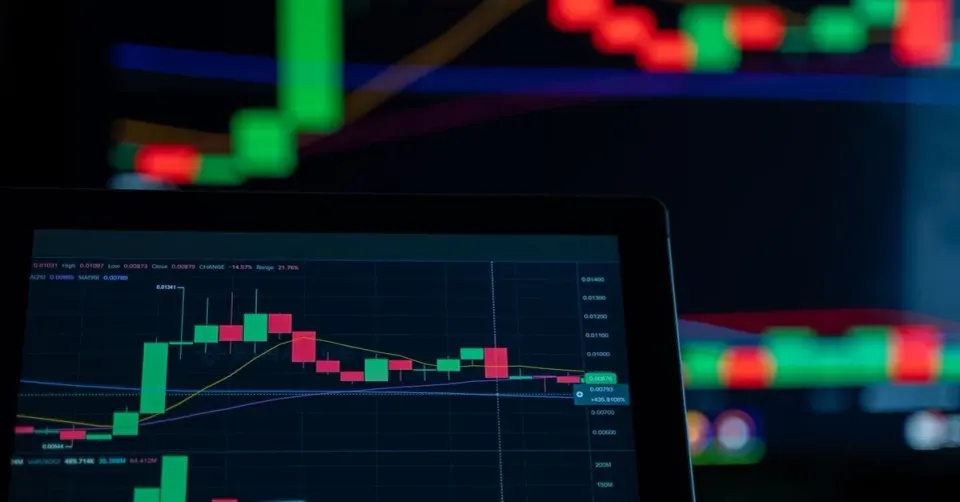
In the global financial arena, Bitcoin is currently engaged in a high-stakes battle to maintain its footing above the $80,000 mark. After recently breaking above its 200-day Simple Moving Average (SMA), the leading cryptocurrency faced a wave of selling pressure that saw its price dip toward $81,084. This volatility was largely triggered by a broader "risk-off" sentiment in Asian equity markets. South Korea's Kospi index experienced a staggering 8% decline, while Japan's Nikkei 225 fell by 5%, prompting investors to liquidate speculative assets across the board.
Despite the local currency's depreciation, the crypto market remains a primary hedge for many Iranian investors. However, the current global correction, fueled by fears of a U.S. recession and rising national debt—as highlighted by BlackRock CEO Larry Fink—suggests that the path upward will not be linear. The $80,000 level is considered a psychological and technical line in the sand; a failure to hold this support could lead to further liquidations, while a bounce would confirm the strength of the current bull cycle. For now, the market is in a "wait and see" mode as it digests the shocks from the Asian trading session.
Geopolitical Shifts: The New Yalu Bridge and Strategic Isolation
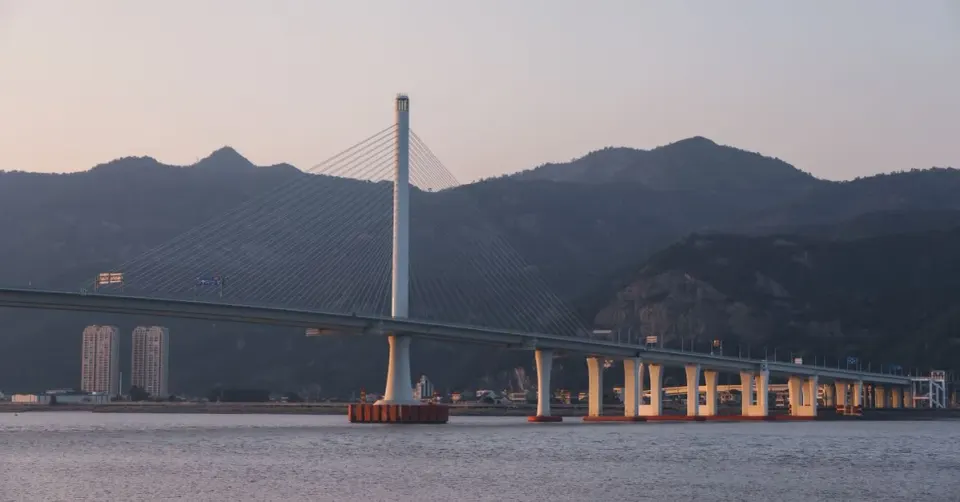
While markets fluctuate, significant geopolitical developments are reshaping trade routes in the East. North Korea and China have officially opened their largest border bridge over the Yalu River, a project that has faced years of delays. This move is a clear signal of deepening ties between Beijing and Pyongyang, aimed at expanding bilateral trade despite the heavy international sanctions currently imposed on the North Korean regime. This development mirrors Iran's own efforts to find alternative trade partners and bypass Western-led financial restrictions through regional alliances.
Parallel to this, Iranian military officials have been vocal about the changing global order. Brigadier General Mohammad Akrami-Nia recently claimed that the United States is facing "strategic isolation" for the first time since World War II. He argued that the U.S.'s inability to rally its closest allies for its regional agendas in the Middle East is evidence of a waning hegemony. While such statements are part of a broader ideological narrative, they reflect the regime's strategic calculation that a multipolar world—evidenced by the China-North Korea bridge—provides a necessary buffer against Western diplomatic and economic pressure.
Frequently Asked Questions
Why is the $80,000 level important for Bitcoin right now?
What caused the sudden crash in Asian stock markets?
How does the new China-North Korea bridge affect regional sanctions?
Understanding Economic Sanctions: Tools of "Economic War"
Economic sanctions are powerful foreign policy tools used by countries or international bodies to influence the behavior of other states, non-state actors, or individuals. Far from being mere diplomatic gestures, they represent a form of "economic war" – a deliberate restriction of economic relations to achieve specific political, security, or human rights goals. These measures can range from targeted financial penalties, such as asset freezes and travel bans on specific individuals or entities, to comprehensive trade embargoes that restrict a broad range of commercial activities with an entire country.
The primary goal of sanctions is to exert pressure by inflicting economic costs, thereby compelling the target to change its policies or actions. For instance, a country might face sanctions for developing nuclear weapons, supporting terrorism, or violating human rights. The mechanisms involve cutting off access to international financial systems, restricting imports and exports of certain goods (like oil or advanced technology), or limiting access to foreign currency and international markets. Such restrictions aim to starve the target economy of vital resources, technology, or revenue.
For the targeted country, the consequences can be severe and far-reaching. Economic sanctions often lead to currency depreciation, as the country's ability to earn foreign exchange is curtailed, making imports more expensive and fueling inflation. Businesses struggle with supply chain disruptions and a lack of access to international capital, potentially leading to job losses and reduced economic growth. While intended to pressure governments, sanctions frequently impact ordinary citizens through higher prices, shortages of goods, and a general decline in living standards, often leading to calls for national unity in the face of external pressure, as seen in the headline.
Topics
Related Articles