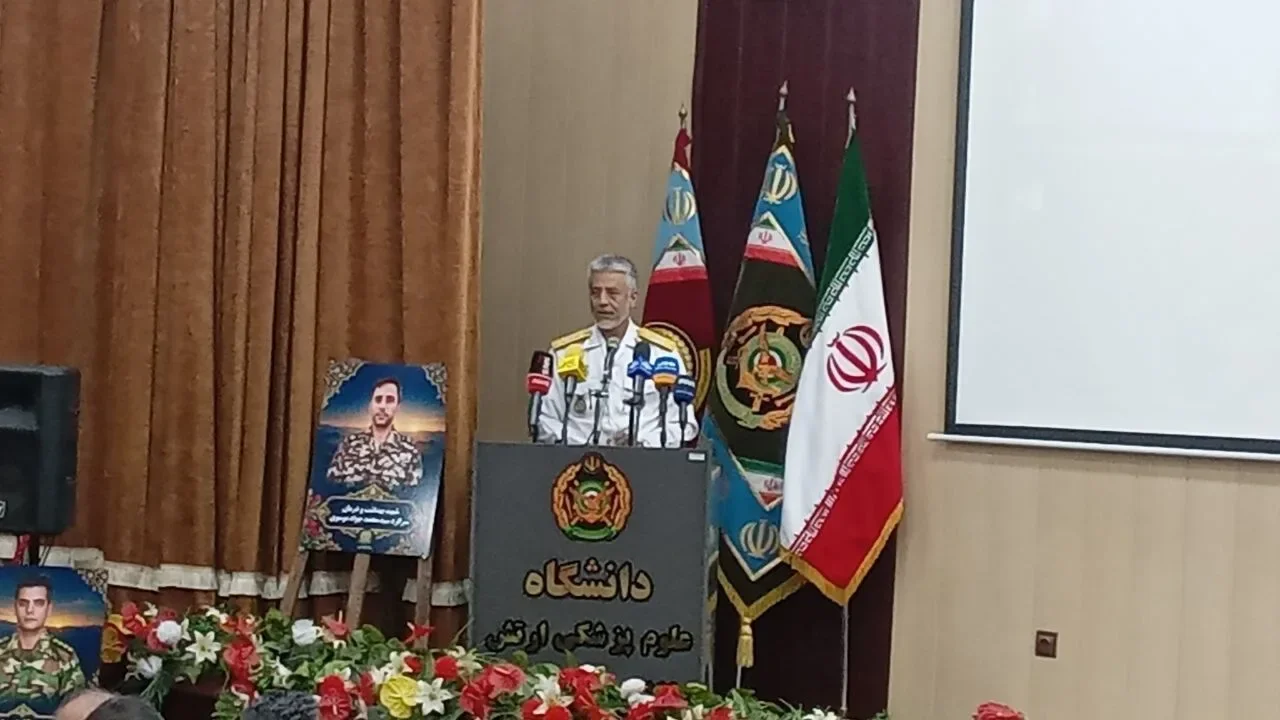
Hormuz Tensions Escalate: Iran Claims Control Amid Debris Sightings as Ukraine Renews Oil Refinery Strikes
تنشها در هرمز بالا گرفت: ایران مدعی کنترل کامل است؛ اوکراین حملات به پالایشگاههای روسیه را از سر میگیرد
Regional tensions are surging as Iran asserts full control over the Strait of Hormuz, demanding coordination for passage, while reports of floating debris add to concerns. Simultaneously, Ukraine has announced it will resume strikes on Russian oil refineries, signaling a new phase in the energy conflict. These developments are directly influencing currency and gold markets, with the Toman seeing slight depreciation against the USD.
At time of publishing
USD
266,800
Toman
Gold 18K
26.26M
Toman / gram
Bitcoin
$81,136
US Dollar
Tether
265,929
Toman
Iran Asserts Control Over Strait of Hormuz Amid Debris Reports
In a significant development, Iran's Deputy Chief of Army for Coordination, Rear Admiral Habibollah Sayyari, has stated that the Strait of Hormuz remains under full Iranian control, emphasizing that any passage through this strategic waterway requires prior coordination with Iranian forces. This assertion comes at a time of heightened regional instability and follows recent reports, including from Al Jazeera, showing containers and debris floating around the Strait, possibly linked to recent attacks on vessels. The Iranian government's declaration underscores its long-standing claim over the vital chokepoint, through which a substantial portion of the world's oil supply passes.
This move by Tehran is a clear signal of its intent to project power and assert authority over a globally critical maritime route, potentially in response to or anticipation of regional escalations. For the global economy, any disruption or increased friction in the Strait of Hormuz could have immediate and severe consequences for oil prices and international shipping. For Iranian citizens, such declarations often fuel uncertainty, contributing to volatility in the local currency markets and impacting trade flows, as businesses and consumers brace for potential economic repercussions from heightened tensions.
Yemeni Houthis Claim Downing Saudi Typhoon Jet, Regional Tensions Mount
Further exacerbating regional instability, Yemen's armed forces, represented by military spokesperson Yahya Saree, have claimed to have shot down a Saudi Typhoon fighter jet over the northern province of Sa’ada. This announcement, reported by Iranian state media IRNA, coincides with Sana’a's reports of a sharp escalation in attacks by the Saudi-led coalition. The alleged downing of a sophisticated fighter jet marks a significant military development in the protracted Yemen conflict, suggesting either an advancement in Houthi air defense capabilities or a particularly intense engagement.
The broader implications of this incident are substantial for regional security and global energy markets. The International Monetary Fund's managing director, Kristalina Georgieva, has previously warned of worldwide fallout if attacks on Saudi infrastructure escalate, a risk that this latest development only amplifies. For Iran, a key regional player and ally of the Houthi movement, such an escalation could further complicate its geopolitical standing and indirectly affect its economic outlook by contributing to broader regional instability and potentially impacting oil prices, which are crucial for Iran's revenue.
Ukraine Vows to Resume Strikes on Russian Oil Refineries
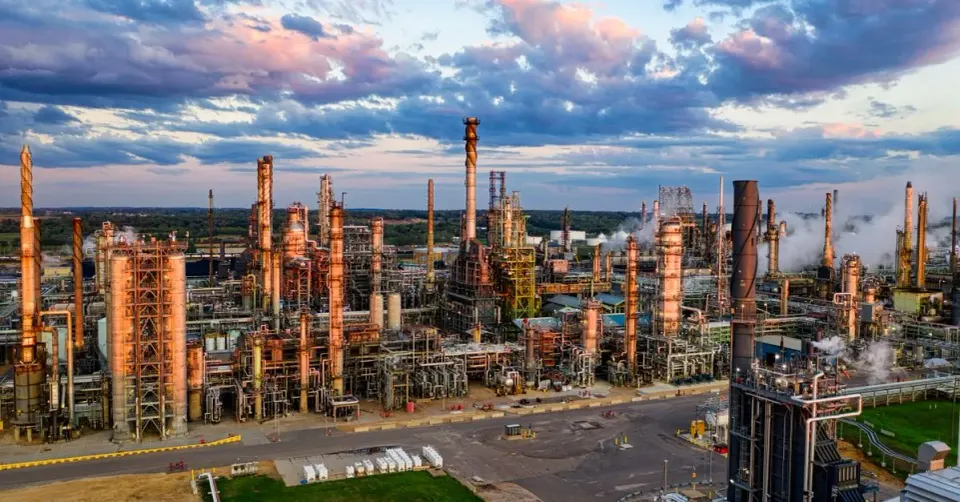
President Volodymyr Zelensky of Ukraine has declared that his country will resume strikes on Russian oil refineries, a strategic move that follows a temporary pause reportedly made at the request of the United States. This announcement, made in an interview with The Financial Times, indicates Ukraine's renewed determination to target Russia's energy infrastructure as a means to degrade its war economy and hinder its ability to fund the ongoing conflict. The previous pause was understood to be due to U.S. concerns about the potential for these strikes to drive up global oil prices and destabilize international energy markets.
The resumption of these strikes carries significant implications for global energy security and prices. While aimed at weakening Russia, such actions often lead to increased volatility in the international oil market, potentially causing price surges that could impact consumers and economies worldwide. For Iran, an oil-exporting nation, fluctuating global oil prices can directly influence its export revenues and overall economic stability, creating both opportunities and challenges depending on the market direction and the impact on sanctions enforcement.
Toman and Gold See Modest Increases Amid Regional Uncertainty
In the domestic market, the Iranian Toman experienced a slight depreciation against the U.S. dollar, with the USD selling price moving from 265,200 to 266,800, marking a +0.6% increase over the past 24 hours. Similarly, the price of 18k gold per gram rose from 26,136,940 Toman to 26,263,908 Toman, a +0.5% uptick, and the Emami coin increased from 268,000,000 Toman to 270,000,000 Toman, showing a +0.7% change. These modest but consistent upward movements across key assets reflect a prevailing sense of caution and uncertainty among investors and the general public.
The increases in foreign currency and gold prices are often a direct response to heightened geopolitical tensions, such as the ongoing developments in the Strait of Hormuz and the escalation of conflict in Yemen, as well as broader international events like the renewed strikes on Russian oil facilities. In an economy like Iran's, where inflation and sanctions are persistent concerns, these assets are frequently viewed as safe havens or hedges against economic instability. This trend indicates that many Iranian citizens are seeking to preserve their purchasing power amidst a volatile regional and global landscape, reflecting a cautious outlook on future economic stability.
Woman Charged in Australian Curry Poisoning Case
In a more unusual development from Western Australia, a woman has been charged after allegedly poisoning a colleague’s curry lunch with snail pellets. Western Australian police confirmed the charges, stemming from an incident in February where a 58-year-old woman reportedly brought a container of curry to share with co-workers in Perth’s southern suburbs. The colleague who consumed the curry experienced numbness to her tongue, prompting an investigation that led to the charges.
This incident, while not directly tied to global geopolitics or markets, highlights the bizarre and sometimes unsettling nature of human interactions, even in a professional setting. The legal process will now unfold to determine the full circumstances and motivations behind the alleged act. Though a local criminal matter, it garnered attention due to its unusual nature and the severe implications of workplace sabotage, serving as a reminder of the unexpected events that can occur outside of major global headlines.
Frequently Asked Questions
What is the significance of Iran's statement on the Strait of Hormuz?
How do the alleged Houthi downing of a Saudi jet and Ukraine's refinery strikes impact global energy markets?
Why are USD/IRR and gold prices rising in Iran amidst these geopolitical developments?
What was the reason for Ukraine pausing its strikes on Russian oil refineries previously?
Is the Australian curry poisoning case related to the other geopolitical news?
Strategic Chokepoints and Global Energy Security
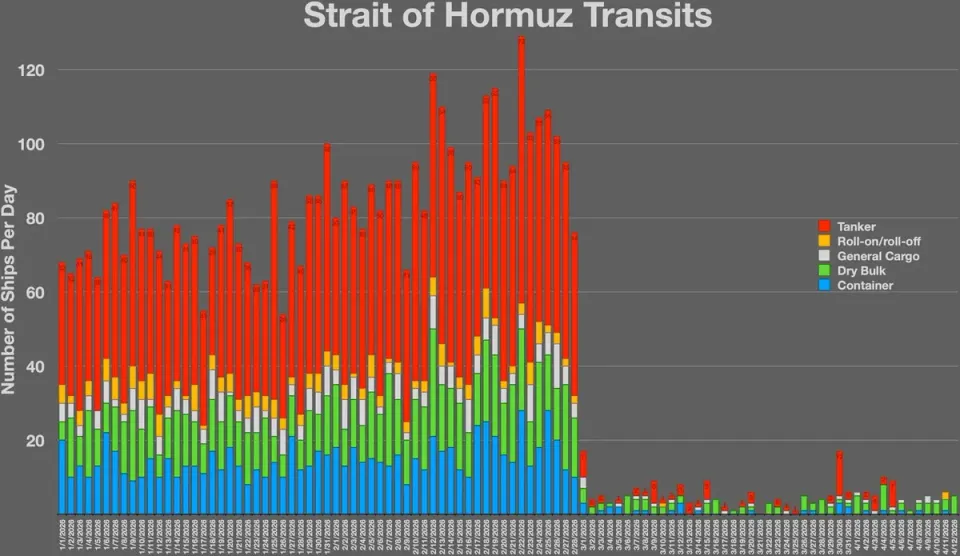
Strategic chokepoints are narrow maritime passages that are critical for global trade, particularly for the transit of oil and natural gas. The Strait of Hormuz, mentioned in the headline, is arguably the most vital of these, connecting the Persian Gulf — home to some of the world's largest oil producers — to the open ocean. Approximately one-fifth of the world's total oil consumption, and a significant portion of liquefied natural gas (LNG), passes through this single waterway daily. Its strategic importance means that any disruption, whether from political tensions, military conflict, or even an accident, can send shockwaves through global energy markets.
These chokepoints are inherently vulnerable due to their geographical constraints. Their narrowness makes them susceptible to blockades, attacks, or even accidental closures, which can severely impede the flow of vital resources. When a nation like Iran asserts control or tensions escalate around the Strait of Hormuz, it immediately raises concerns about the security of oil supplies. Similarly, attacks on energy infrastructure elsewhere, such as Ukraine's strikes on Russian oil refineries, highlight how localized conflicts can have broader implications for global energy supply chains by reducing available processing capacity or disrupting export routes.
The fragility of these energy lifelines directly impacts global energy security and economic stability. Disruptions, or even the credible threat of them, can lead to significant volatility in oil prices, affecting everything from transportation costs to manufacturing expenses worldwide. For countries heavily reliant on oil imports, such events can trigger economic instability, currency fluctuations (like the "USD IRR price" mentioned), and a surge in safe-haven assets such as gold ("Gold Toman"). Understanding strategic chokepoints is crucial for grasping how regional conflicts and geopolitical maneuvering can ripple outwards, influencing economies and daily lives across the globe.