Supertanker Explodes in Strait of Hormuz as Trump Waives Russia Sanctions Amid Ukraine Row
انفجار نفتکش در تنگه هرمز و لغو تحریمهای روسیه توسط ترامپ در اوج تنش با زلنسکی
A massive oil tanker carrying 2 million barrels has caught fire in the Strait of Hormuz after allegedly striking a mine, while Donald Trump has moved to waive sanctions on Moscow as his rift with President Zelensky deepens.
At time of publishing
USD
264,400
Toman
Gold 18K
26.24M
Toman / gram
Bitcoin
$81,525
US Dollar
Tether
264,105.987
Toman
Crisis in the Strait: Supertanker Hits Mine and Explodes
In a development that has sent immediate shockwaves through global energy corridors, the IRGC Navy reported on Saturday, October 17, 2026, that a supertanker carrying over two million barrels of crude oil caught fire and exploded in the Strait of Hormuz. According to Iranian state media, the vessel struck a naval mine while attempting to navigate what was described as an "unauthorized route" through the world’s most critical maritime chokepoint. While the exact ownership and origin of the vessel remain under verification, the scale of the explosion suggests a significant environmental and economic threat to the region.
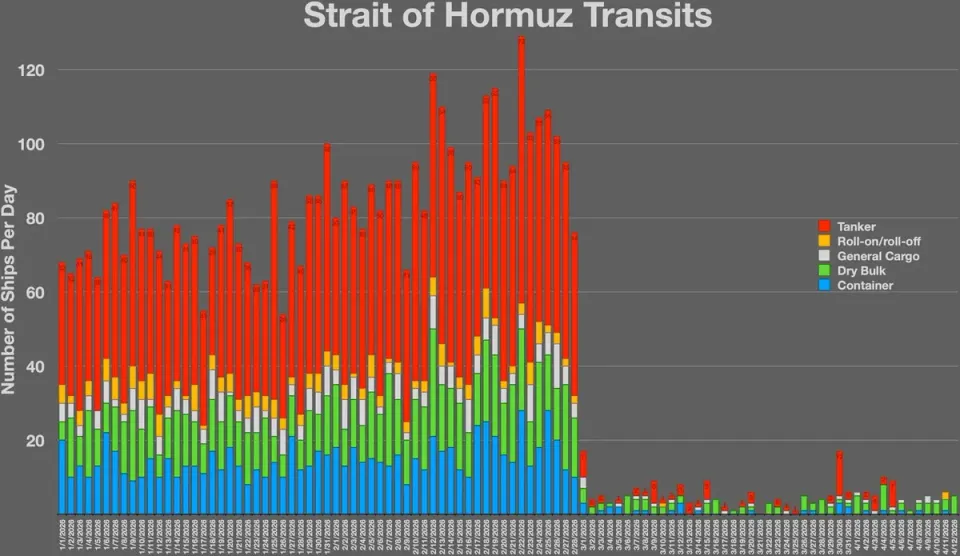
The timing of this incident is particularly sensitive, as the Strait of Hormuz handles nearly 20% of the world's daily oil consumption. Any disruption in this narrow waterway typically triggers a rapid spike in global Brent crude prices and insurance premiums for shipping. The IRGC's claim that the ship was on an unauthorized path is a narrative that often precedes further maritime restrictions or seizures, raising fears among international traders about a renewed cycle of escalation in the Persian Gulf. For Iranian citizens, such events often translate into immediate volatility in the currency markets, as the risk of increased sanctions or kinetic conflict weighs heavily on the value of the Toman.
Trump Waives Russia Sanctions Amid Intensifying Row with Zelensky
In a major shift of American foreign policy, President Donald Trump has officially waived several key sanctions against Moscow that were recently passed by Congress. The White House cited "national security concerns" for the move, but the decision comes at a moment of unprecedented friction between Trump and Ukrainian President Volodymyr Zelensky. This executive action effectively bypasses the legislative intent of Congress, which had sought to tighten the noose on the Russian economy following recent developments on the front lines. The move has sparked immediate outrage among both Democratic and Republican hawks who view the waivers as a concession to the Kremlin.
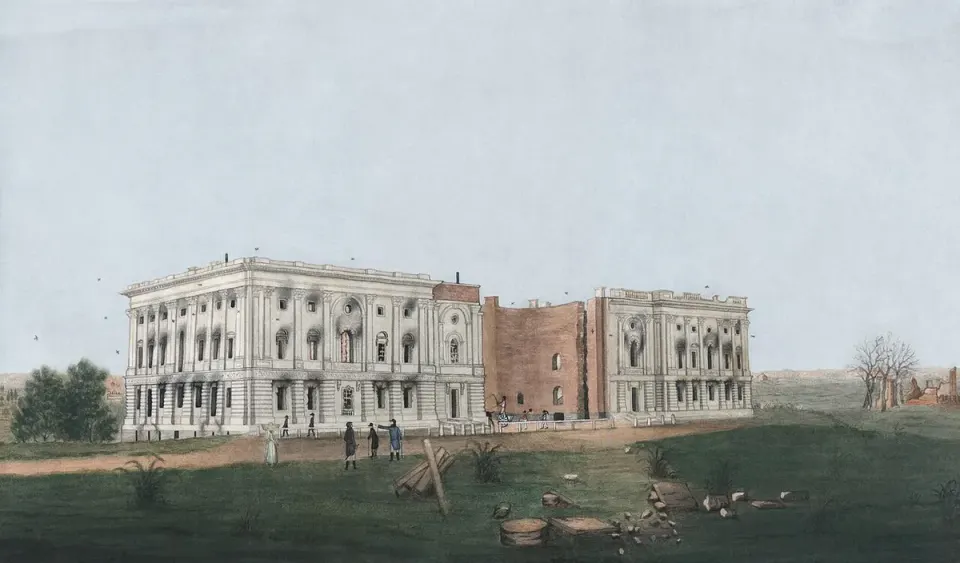
The implications of these waivers are profound for the global sanctions architecture. By relaxing pressure on Moscow, the Trump administration is signaling a potential pivot toward a negotiated settlement in Ukraine, albeit one that may not align with Kyiv’s territorial goals. This geopolitical realignment forces middle-market powers, including Iran, to recalibrate their own diplomatic strategies. If the U.S. continues to soften its stance on Russia, the efficacy of international sanctions as a tool of coercion could be permanently diminished, potentially offering a blueprint for other sanctioned nations to seek similar relief through tactical diplomatic shifts.
Market Reaction: Toman Remains Resilient as Bitcoin Hits Resistance
Despite the dramatic news from the Strait of Hormuz, the Iranian Toman showed surprising stability in the early hours of Saturday, October 17, 2026. The USD sell rate moved from 265,000 to 264,400 Toman, representing a minor decrease of 0.2% over the last 24 hours. This resilience suggests that local markets may be waiting for more concrete data on the tanker incident before reacting. Meanwhile, the gold market saw a slight uptick, with 18k gold per gram rising from 26,213,121 to 26,236,206 Toman (+0.1%), reflecting a global flight to safety as the ounce price sits at a high of $4,166.10.
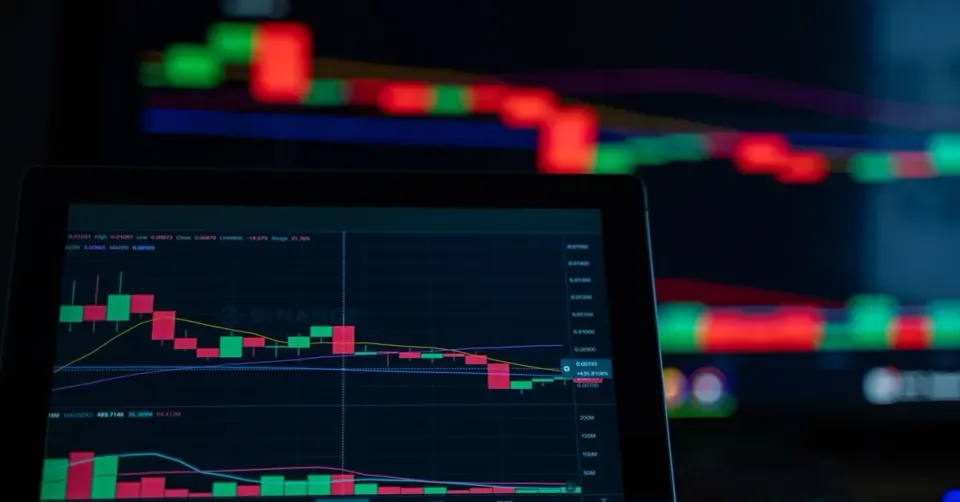
In the digital asset space, Bitcoin is currently struggling to maintain its momentum. The cryptocurrency is stuck just below the 200-day Simple Moving Average (SMA) at approximately $81,621, with the current price hovering around $81,525. While "Uptober" was highly anticipated by investors, a two-week losing streak and significant ETF outflows have weighed on sentiment. Traders are watching the $81,000 support level closely; a failure to hold this line could lead to a deeper correction, especially as institutional investors appear to be de-risking their portfolios in response to the geopolitical instability in the Middle East and the shifting sanctions landscape in Eastern Europe.
Frequently Asked Questions
Why did the tanker explode in the Strait of Hormuz?
What sanctions did Donald Trump waive for Russia?
How did the Iranian market react to the Hormuz incident?
Is Bitcoin in a bullish or bearish trend right now?
The Strategic Importance of the Strait of Hormuz
The Strait of Hormuz is a narrow, strategically vital waterway connecting the Persian Gulf to the Gulf of Oman and the Arabian Sea. Located between Iran and Oman, it is one of the world's most critical maritime chokepoints. At its narrowest point, the strait is only about 21 nautical miles (39 km) wide, with the shipping lanes themselves being just two miles wide in each direction, separated by a two-mile buffer zone. This confined geography makes it highly susceptible to disruptions, which can have far-reaching global consequences.
Economically, the Strait of Hormuz is unparalleled in its importance to global energy markets. It serves as the transit route for a significant portion of the world's seaborne oil, including crude oil, petroleum products, and liquefied natural gas (LNG) from major producers like Saudi Arabia, Iran, UAE, Kuwait, and Iraq. Estimates suggest that over 20% of the world's total petroleum liquids consumption, and roughly one-third of all seaborne traded oil, passes through this strait daily. Any incident, such as a supertanker explosion, immediately raises concerns about supply disruptions and can send shockwaves through international oil prices.
Geopolitically, the Strait of Hormuz is a flashpoint due to its strategic value and the presence of various regional and international naval forces, including Iran's Islamic Revolutionary Guard Corps (IRGC) Navy. Tensions in the strait, whether from military exercises, vessel seizures, or attacks on shipping, underscore the fragility of global energy supply chains. Understanding the Strait of Hormuz's role is crucial for grasping the dynamics of oil markets, international relations, and the constant interplay between geopolitics and global economics.
Topics
Related Articles