Iran Offers Mediation in Saudi-Yemen Conflict as Tehran Asserts Missile Dominance in Regional Power Shift
سیگنال دیپلماتیک ایران برای حل بحران یمن همزمان با تاکید بر تغییر معادلات منطقه توسط قدرت موشکی
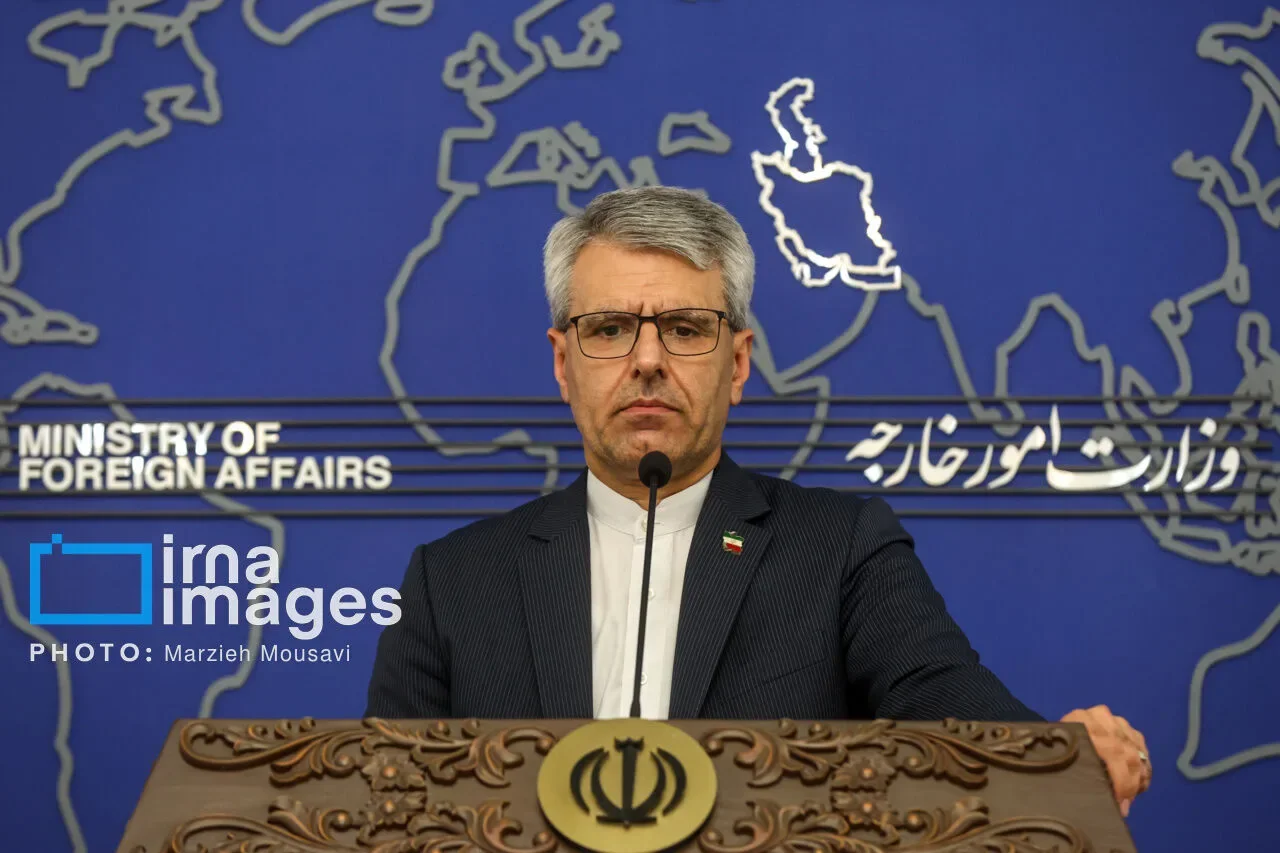
Foreign Ministry spokesperson Esmaeil Baqaei has signaled Iran's readiness to resolve the Saudi-Yemen deadlock through peaceful means, marking a potential diplomatic breakthrough. This move comes as Tehran balances a dual-track strategy of regional de-escalation and military deterrence, while domestic currency markets see a slight cooling trend.
At time of publishing
USD
263,900
Toman
Gold 18K
26.26M
Toman / gram
Bitcoin
$81,626
US Dollar
Tether
262,581
Toman
A New Chapter in Regional Diplomacy: The Yemen Initiative
In a significant shift of tone at the 12:00 Tehran hour, Foreign Ministry spokesperson Esmaeil Baqaei announced that the Islamic Republic is fully prepared to facilitate a resolution to the long-standing conflict between Saudi Arabia and Yemen. This announcement, coming through official state channels, suggests a calculated effort by Tehran to position itself as a stabilizing force in the Middle East. By emphasizing "peaceful means" and a "principled position," the ministry is signaling to Riyadh and the broader international community that it is ready to move beyond the proxy-war narratives that have defined the last decade.
This diplomatic overture is not merely about regional altruism; it is deeply tied to Iran's broader economic and geopolitical survival. For the Iranian reader, any thaw in Saudi-Iranian relations or a permanent end to the Yemen war directly impacts the risk premium associated with the Toman. As regional tensions decrease, the psychological pressure on the domestic currency market often eases. The timing is also crucial, as it follows a period of heightened naval tensions in the Persian Gulf, suggesting that Tehran is attempting to balance its military posturing with a credible path toward de-escalation.

The Dual-Track Strategy: Missile Power and Ceasefire Demands
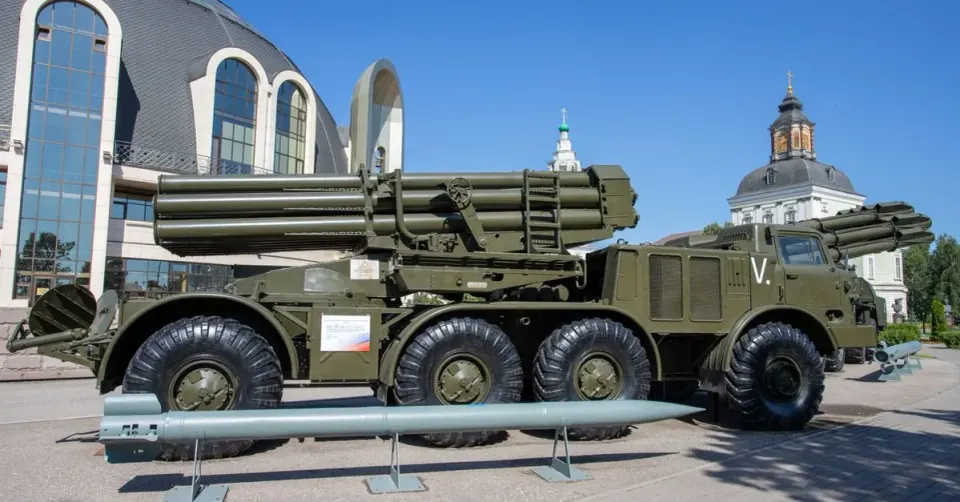
While the Foreign Ministry speaks of peace, the defense establishment is reinforcing the country’s deterrent capabilities. Acting Defense Minister Brigadier General Majid Ibn al-Reza recently stated that Iran’s missile power has fundamentally changed the "equations" of regional conflict. According to the General, the sheer scale and naming of weaponry are secondary to the strategic reality that Iran can now project power across borders with precision. This rhetoric serves as a domestic confidence builder, reassuring the public that the country remains secure even as it reaches out for diplomatic talks.
Simultaneously, Deputy Foreign Minister Saeed Khatibzadeh has made it clear that Iran will not accept a partial peace. He asserted that an all-front ceasefire is the only viable path to ending the regional war, warning that continued fighting in any localized theater—be it Lebanon, Gaza, or elsewhere—will inevitably keep the entire region on a war footing. This "all-or-nothing" approach to a ceasefire places the ball in the court of Western powers and regional rivals, demanding a comprehensive settlement rather than temporary pauses that allow for regrouping. For markets, this means volatility will remain high until a broad framework is visibly under construction.
Global Volatility: From Vatican Health to French Unrest
Beyond the Middle East, two major stories are shaping the global sentiment. In the Vatican, the health of Pope Leo has sparked a familiar but intense debate over the transparency of the Holy See. By choosing to announce his lung condition himself, the Pope has broken with centuries of tradition, yet the lack of granular detail has led to widespread speculation. In a world increasingly driven by the health of aging leaders, the stability of the Catholic Church’s leadership remains a significant factor for social and political cohesion across Europe and Latin America.
Meanwhile, France is witnessing a surge in civil unrest as student protests over education funding merge with broader anger regarding the rising cost of living. This convergence of grievances highlights a growing trend across the Eurozone: inflation and high interest rates are eroding the social contract. For Iranian observers, the situation in France serves as a reminder that economic pressures are a global phenomenon, though the tools for managing them differ significantly between sanctioned and non-sanctioned economies. These protests could further weaken the Euro, which is currently selling at 296,550 Toman in Tehran.
---
Market Analysis: Toman Gains Ground Amid Gold Fluctuations
On this Saturday, October 17, 2026 (۲۵ مهر ۱۴۰۵), the Iranian domestic market is showing signs of cautious optimism. The US Dollar (USD) has seen a slight correction, moving from 265,000 to 263,900 Toman, a decrease of 0.4% over the last 24 hours. This dip reflects the market's reaction to the diplomatic signals coming from the Foreign Ministry. When the prospect of regional mediation is raised, speculative demand for hard currency often takes a backseat as traders wait for more concrete developments.
In the gold market, the trend is more mixed. While the Emami coin dropped by 0.6%, falling from 270,000,000 to 268,500,000 Toman, the price of 18k gold per gram saw a marginal increase of 0.2%, rising from 26,213,121 to 26,259,291 Toman. This divergence suggests that while the "bubble" in the coin market is deflating slightly, the underlying value of gold remains supported by global uncertainty and the record-high ounce price of $4,166.10. Bitcoin continues to hold steady above the $81,000 mark, currently trading at $81,626, providing a digital alternative for those wary of traditional fiat fluctuations.
Frequently Asked Questions
چرا قیمت دلار با وجود تنشها کاهش یافته است؟
آیا افزایش قیمت طلای ۱۸ عیار با وجود کاهش قیمت سکه منطقی است؟
منظور از تغییر معادلات توسط قدرت موشکی ایران چیست؟
Understanding Regional Hegemony
Regional hegemony refers to the predominant influence of one state over others within a specific geographical area. This dominance isn't necessarily absolute control, but rather a significant capacity to shape regional outcomes, often through a combination of military, economic, and diplomatic power. A regional hegemon can set norms, mediate conflicts, and project its interests effectively across its neighborhood, thereby establishing itself as a central actor in regional affairs.
The pursuit of regional hegemony is a core aspect of international relations. States often seek this status to enhance their security, economic prosperity, and political influence. Key tools in this pursuit include building a formidable military (like asserting "missile dominance" as mentioned in the headline), forging strategic alliances, leveraging economic power through trade or aid, and engaging in proactive diplomatic initiatives, such as offering mediation in regional conflicts. These actions are designed to make a state an indispensable player and a primary decision-maker in its region.
However, the quest for regional hegemony frequently leads to competition and friction. Other regional powers or external actors may perceive a rising hegemon as a threat, prompting counter-balancing efforts, proxy conflicts, and an overall shift in the balance of power. The Middle East, for instance, is a region frequently characterized by such dynamics, with various states vying for influence and challenging existing power structures. Understanding regional hegemony helps us interpret why nations invest heavily in military capabilities and engage in complex diplomatic maneuvers aimed at reshaping their regional environment.