Trump Waives Russia Energy Sanctions as Global Markets Pivot; Toman Gains Ground While Asia Shifts to Solar
لغو تحریمهای انرژی روسیه توسط ترامپ؛ تقویت ریال و چرخش آسیا به انرژی خورشیدی تحت تأثیر تنشهای ایران
President Trump has signed an executive order waiving major energy sanctions on Russia, marking a seismic shift in US foreign policy. Meanwhile, rising energy costs linked to regional tensions in Iran are driving a massive solar boom in the Philippines as the Toman sees a 0.9% recovery.
At time of publishing
USD
262,600
Toman
Gold 18K
26.18M
Toman / gram
Bitcoin
$81,516
US Dollar
Tether
262,900
Toman
Trump’s Sanction Waiver Reshapes Global Energy Map
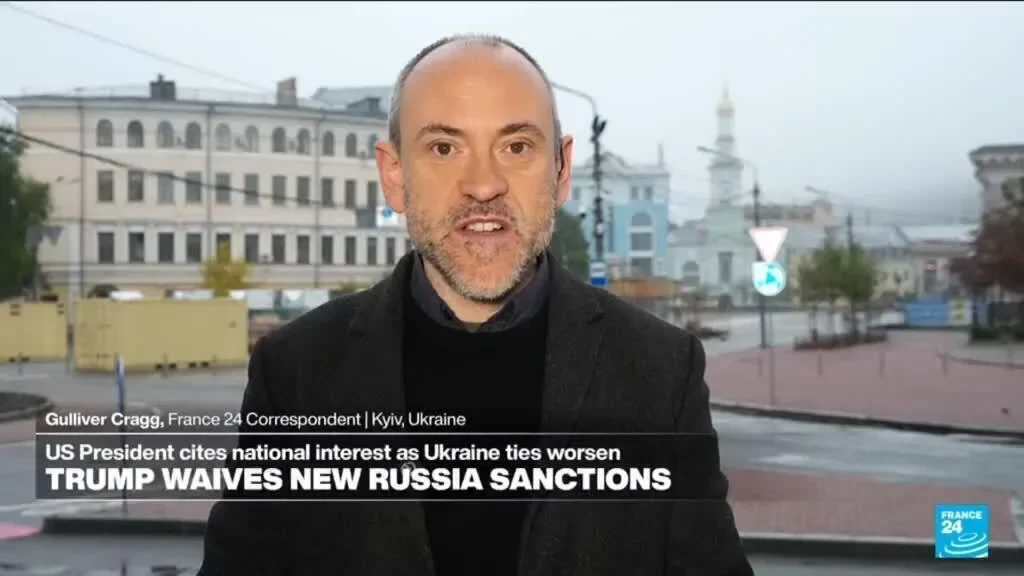
In a move that has sent shockwaves through international diplomatic circles, President Donald Trump signed an executive order on Friday waiving sweeping US sanctions and tariffs that previously targeted Russia's energy revenues. This decision marks a significant departure from previous administrations and signals a new low in Washington’s relationship with Ukraine. According to reports from France 24, the waiver effectively allows Russian energy exports to flow more freely into global markets, a move that critics argue undermines the economic pressure intended to curb Moscow's military capabilities.
For the global economy, this policy shift could mean a potential cooling of energy prices if Russian supply increases, yet the geopolitical cost is high. The waiver comes at a time when Ukraine is struggling to maintain Western support, and this move suggests a prioritization of domestic economic stability or a new diplomatic strategy by the Trump administration. Market analysts are now watching closely to see how European allies respond, as many have spent years diversifying away from Russian gas. The immediate impact is a sense of uncertainty in the energy markets, balancing the prospect of cheaper oil against the risk of increased geopolitical instability in Eastern Europe.
Philippine Solar Boom Triggered by Iran Regional Tensions
While Washington shifts its stance on Russia, the ripple effects of tensions involving Iran are being felt as far away as Southeast Asia. In the Philippines, a massive boom in solar power adoption is underway as residents and businesses struggle with some of the highest electricity bills in the region. The primary driver behind this surge is the spike in global energy costs, which has been exacerbated by the ongoing conflict and instability surrounding Iran. As energy routes remain under threat and risk premiums rise, the cost of traditional fossil-fuel-based power has become unsustainable for many Filipinos.

This transition to rooftop solar panels is more than just a green initiative; it is a survival strategy against volatile global markets. The Philippines, which relies heavily on imported fuels, serves as a canary in the coal mine for how regional conflicts in the Middle East can force rapid economic shifts in distant nations. For Iran, this highlights the indirect economic leverage—and the resulting global pushback—that its regional posture creates. As more nations pivot toward energy independence to avoid the "Iran risk," the long-term demand for traditional energy exports from the region could face structural challenges.
Toman Recovers Slightly Amid IMF Warnings on Global Debt
On the domestic front, the Iranian Toman showed signs of a modest recovery during Saturday's trading session. The USD sell rate moved from 265,000 to 262,600, a decrease of 0.9%. This cooling of the currency market was mirrored in the gold sector, where the Emami coin also dropped by 0.9%, falling from 270,000,000 to 267,500,000 Toman. Despite these local gains, the global backdrop remains grim as the IMF warns that low-income nations are now spending up to 14% of their total revenue just to service debt. This high-inflation environment, driven by war spillovers and supply chain disruptions, continues to put pressure on emerging markets.

The slight strengthening of the Toman may provide temporary relief for local consumers, but the broader economic picture remains tied to the geopolitical developments mentioned above. With gold prices globally holding at a staggering 4,166 USD per ounce, the appetite for safe-haven assets remains incredibly high. Investors are balancing the local currency's correction against the long-term threat of persistent inflation and the potential for new cyber-threats, as warned by former British security officials. For the average Iranian saver, the current volatility suggests a need for caution, as the market remains highly sensitive to every headline from Washington and Baghdad.
Watch
Trump waives new Russia sanctions as Ukraine ties slump • FRANCE 24 English
FRANCE 24 English
Frequently Asked Questions
Why did Trump waive the Russia sanctions?
How is the Iran situation affecting the Philippines?
What is the current status of the Toman and Gold in Iran?
Understanding Economic Sanctions: A Tool of International Policy
Economic sanctions are a powerful, non-military foreign policy tool used by countries or international bodies to influence the behavior of a target state or entity. These restrictions can range from comprehensive embargoes on all trade and financial transactions to more targeted measures, such as asset freezes on specific individuals, travel bans, or limitations on particular sectors like energy or finance. The primary goal is to exert economic pressure, making it costly for the target to continue actions deemed undesirable, whether it's nuclear proliferation, human rights abuses, or military aggression.
Sanctions operate by disrupting the target country's access to international markets, finance, and critical goods or technologies. By making it difficult for the targeted economy to function normally, the imposing entities aim to compel a change in policy or behavior. For instance, financial sanctions might cut off a country from the global banking system, hindering its ability to conduct international trade or raise capital. Energy sanctions, as seen with Russia, aim to reduce a country's revenue from its most vital exports, thereby limiting its capacity to fund certain activities.
While intended to achieve specific political objectives, economic sanctions often come with a complex web of intended and unintended consequences. On the one hand, they can weaken a target regime, deter aggression, or promote democratic reforms. On the other, they can lead to humanitarian crises, foster black markets, or even strengthen authoritarian rule by creating a nationalistic backlash against external pressure. They can also inflict collateral damage on third-party economies, disrupt global supply chains, and inadvertently harm the very populations they are meant to help.
The effectiveness of economic sanctions is a subject of ongoing debate among policymakers and academics. Success often hinges on factors such as the comprehensiveness of the sanctions regime, the level of international cooperation in enforcing them, and the target country's economic resilience or its ability to find alternative trading partners. The decision to impose or waive sanctions, as highlighted by the recent headlines regarding Russia, reflects a delicate balance between political leverage, ethical considerations, and the potential impact on global economic stability and energy markets.
Topics
Related Articles