Global Economic Jitters: Flutter Sheds 1,400 Jobs as Mideast Conflict Fuels Airfare Hikes, Salesforce Deal Stumbles
لرزشهای اقتصادی جهانی: فلاتر ۱۴۰۰ شغل را حذف میکند؛ درگیری خاورمیانه بهای بلیت هواپیما را افزایش میدهد؛ معامله Salesforce با چالش روبرو شد
Flutter Entertainment, owner of Paddy Power, is cutting 1,400 jobs due to tax hikes, signaling global economic headwinds. Simultaneously, the Middle East conflict is set to drive European airfares up by 20%, while Salesforce's $6 billion acquisition faces investor skepticism, reflecting a cautious market. Iran's President Pezeshkian also appointed a new defense adviser amidst regional tensions.
At time of publishing
USD
264,400
Toman
Gold 18K
26.40M
Toman / gram
Bitcoin
$83,093
US Dollar
Tether
261,201
Toman
Global Economic Headwinds: Flutter Entertainment Sheds 1,400 Jobs Amid Tax Hikes
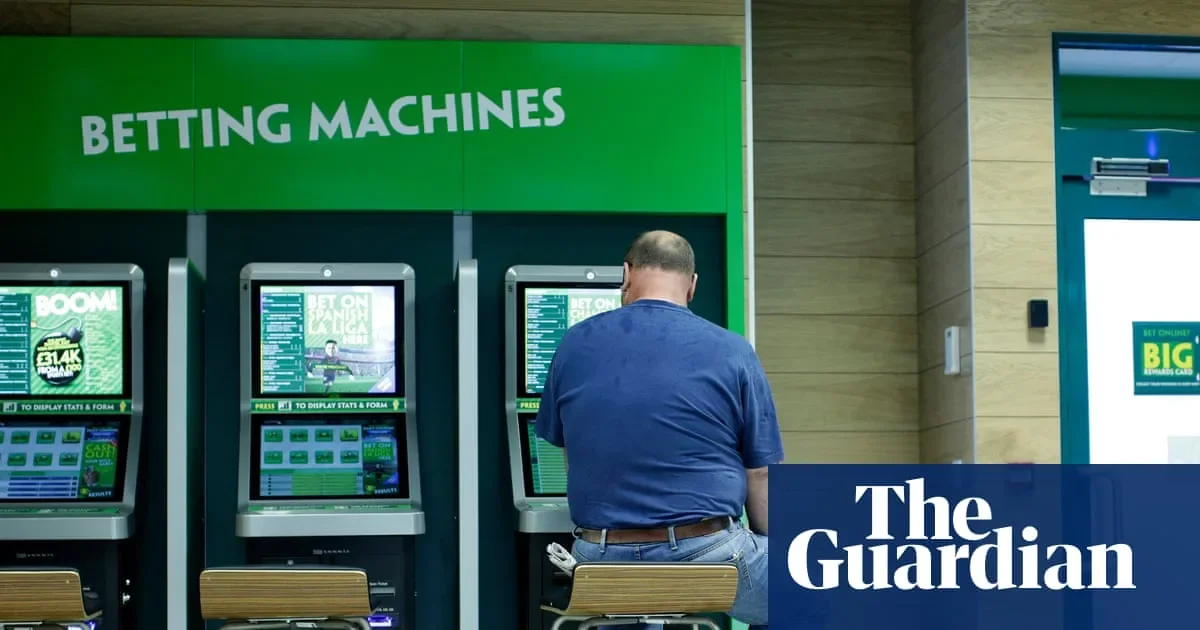
Flutter Entertainment, the parent company behind major gambling brands like Paddy Power and SkyBet, has announced a significant restructuring plan that could see up to 1,400 jobs cut across its UK and Ireland divisions. The company explicitly attributes these redundancies to a “material increase in betting and gaming duties” imposed by the UK government. This move reflects a challenging operating environment for businesses facing rising costs and regulatory pressures, forcing them to re-evaluate their workforce and operational strategies to maintain profitability. The job losses are expected to affect staff in key locations including Leeds, Dublin, and Sunderland, as well as offices in Porto, Portugal, and Cluj-Napoca, Romania, indicating a broad impact across its European operations.
This development serves as a stark reminder of the global economic headwinds currently buffeting various sectors, even those traditionally seen as resilient. While the immediate cause is specific to tax policy in the UK and Ireland, the broader implication is one of tightening margins and a cautious approach to growth in many industries. For the global economy, this signals potential slowdowns in consumer spending and investment, which can have ripple effects worldwide. Indirectly, for Iranian readers, such global economic contraction can influence international trade dynamics, reduce demand for commodities, and impact overall investor confidence, potentially affecting currency stability and local market sentiment, even if the direct link is not immediately apparent. A weakened global economic outlook generally translates to increased risk aversion, which can indirectly put pressure on emerging markets and their currencies.
Pezeshkian Appoints New Defense Adviser Amid Regional Tensions
In a significant move within Iran's political landscape, President Masoud Pezeshkian has officially appointed Brigadier General Majid Ibn al-Reza as his adviser on defense affairs. This appointment, reported by IRNA, comes at a time when regional geopolitical tensions remain elevated, underscoring the new administration's focus on strengthening its defense and security apparatus. General Ibn al-Reza's role will be crucial in advising the President on strategic defense policies, military readiness, and navigating the complex security challenges facing the Islamic Republic, both domestically and internationally.
The selection of a Brigadier General for such a pivotal advisory role highlights the administration's intent to maintain a robust defense posture. This appointment could signal a consolidation of military expertise at the presidential level, ensuring that defense considerations are central to high-level decision-making. For the region, this move will be closely watched by neighboring countries and international powers, as it offers insight into the strategic direction of Iran's defense policy under President Pezeshkian's leadership. It also occurs amidst ongoing efforts by countries like Pakistan to mediate between the US and Iran, suggesting that internal defense appointments are being made even as diplomatic channels are explored.
Middle East Conflict Drives European Airfare Hike Predictions
European airfares could surge by as much as 20% in 2027, a stark prediction made by Ryanair's chief executive, Michael O’Leary. The primary driver behind this anticipated increase is the ongoing conflict in the Middle East, which continues to push jet fuel costs higher. Many European carriers, according to O'Leary, are not adequately hedged against such significant increases in fuel prices, leaving them vulnerable to market volatility. This situation directly impacts operational expenses for airlines, which inevitably get passed on to consumers in the form of higher ticket prices.
The implications of this forecast are far-reaching, extending beyond just the travel industry. Rising airfares contribute to broader inflationary pressures across Europe, affecting household budgets and potentially dampening consumer spending in other sectors. For markets, this signals persistent geopolitical risk feeding directly into economic costs, suggesting that the ripple effects of regional conflicts can manifest in everyday expenses globally. This also creates a challenging environment for tourism-dependent economies and could lead to reduced travel, impacting ancillary services and overall economic activity across the continent, while also potentially leading to airline bankruptcies and consolidation as weaker players struggle to cope with elevated costs.
Salesforce Acquisition Raises Eyebrows on Wall Street
Salesforce, the cloud-based software giant, has announced a substantial acquisition deal worth nearly $6 billion, offering a 58% premium over the target company's valuation. However, this move has been met with a "chilly" response from Wall Street investors. Despite the strategic intent behind such a large acquisition, the significant premium paid has raised concerns among shareholders about potential overvaluation and the impact on Salesforce's financial performance and future profitability. This investor skepticism reflects a broader market environment where capital is becoming more expensive, and growth-at-any-cost strategies are being scrutinized more closely.

The lukewarm reaction highlights a shift in investor sentiment, moving away from purely growth-driven valuations to a greater emphasis on profitability and disciplined capital allocation. In the current economic climate, with interest rates remaining elevated and concerns about a potential economic slowdown, investors are increasingly wary of deals that might dilute shareholder value or strain balance sheets. This cautious approach by the market signals that even established tech giants are not immune to investor scrutiny, and any major strategic move, especially one involving a hefty premium, must demonstrate clear and immediate value creation to gain market approval. This trend could influence other large tech companies considering significant M&A activities, prompting them to adopt a more conservative approach to acquisitions.
Market Snapshot: USD and Gold See Modest Gains
The Iranian market observed slight upward movements in key assets over the past 24 hours. The US Dollar (USD) saw its sell price move from 262,100 Tomans to 264,400 Tomans, registering a modest increase of +0.9%. This marginal appreciation reflects ongoing domestic demand and perhaps a cautious response to regional and global economic signals, with many looking to hard currencies amidst uncertainty.
Similarly, Gold 18k per gram experienced a positive shift, rising from 26,150,791 Tomans to 26,402,419 Tomans, an increase of +1.0%. This consistent upward trend in gold prices often indicates a flight to safe-haven assets, especially during periods of geopolitical tension or inflationary concerns. The Emami coin, however, remained stable at 266,500,000 Tomans, showing a +0.0% change, suggesting that while raw gold is gaining, the coin market might be holding steady, perhaps due to specific supply-demand dynamics or existing premiums. These movements underscore the continued volatility and sensitivity of the Iranian market to both internal and external factors.
Frequently Asked Questions
Why is Flutter Entertainment cutting jobs?
How might the Middle East conflict affect European airfares?
What was Wall Street's reaction to Salesforce's $6 billion acquisition?
What is the significance of President Pezeshkian's new defense appointment?
How did the Iranian market perform in the last 24 hours?
Understanding Geopolitical Risk and Its Economic Impact
Geopolitical risk refers to the potential for political events and instability in one region to significantly impact global economic stability and market conditions. These events can range from international conflicts and wars, such as the Middle East conflict mentioned, to trade disputes, sanctions, political elections, and even major policy shifts by influential nations. Unlike traditional economic risks, geopolitical risks are often unpredictable and can rapidly alter supply chains, commodity prices, and investor sentiment across continents, creating a ripple effect that touches everything from corporate earnings to the price of everyday goods.
One of the most immediate and tangible ways geopolitical risk manifests is through its effect on energy markets. Conflicts in major oil-producing or transit regions, like the Middle East, can disrupt supply, leading to sharp increases in crude oil prices. This surge directly translates into higher operational costs for industries reliant on fuel, such as aviation, driving up airfares for consumers across Europe and beyond. Beyond direct costs, the uncertainty fueled by geopolitical tensions can cause businesses to postpone investment decisions, curb expansion plans, and, as seen with Flutter Entertainment, even reduce workforce numbers in anticipation of economic slowdowns.
Moreover, geopolitical instability can profoundly influence financial markets and currency exchange rates. Investor confidence often wanes during periods of heightened global tension, leading to increased market volatility and a flight to safer assets. For countries directly involved or heavily impacted by such events, their national currencies can experience significant depreciation against major global currencies, as indicated by fluctuations in the USD/IRR exchange rate. This broad spectrum of effects underscores why understanding geopolitical risk is crucial for comprehending global economic "jitters" and their far-reaching consequences.