Saudi Airport Strike Kills Two, US Warns Diplomats Amid Rising Regional Tensions; Toman Slides
حمله به فرودگاه عربستان دو کشته برجای گذاشت، آمریکا به دیپلماتها هشدار داد؛ تومان در سایه تنشهای منطقهای سقوط کرد
Regional tensions escalated sharply after a strike on a Saudi airport killed two, prompting a U.S. advisory for diplomats to leave. This incident, linked to Iran-backed Houthis, sent ripples through the currency market, with the USD gaining against the Toman. Meanwhile, France cracks down on protests and India boosts Middle East oil imports, highlighting shifting global dynamics.
At time of publishing
USD
272,700
Toman
Gold 18K
27.16M
Toman / gram
Bitcoin
$81,798
US Dollar
Tether
270,501
Toman
Saudi Airport Strike Escalates Regional Tensions, USD/IRR Reacts
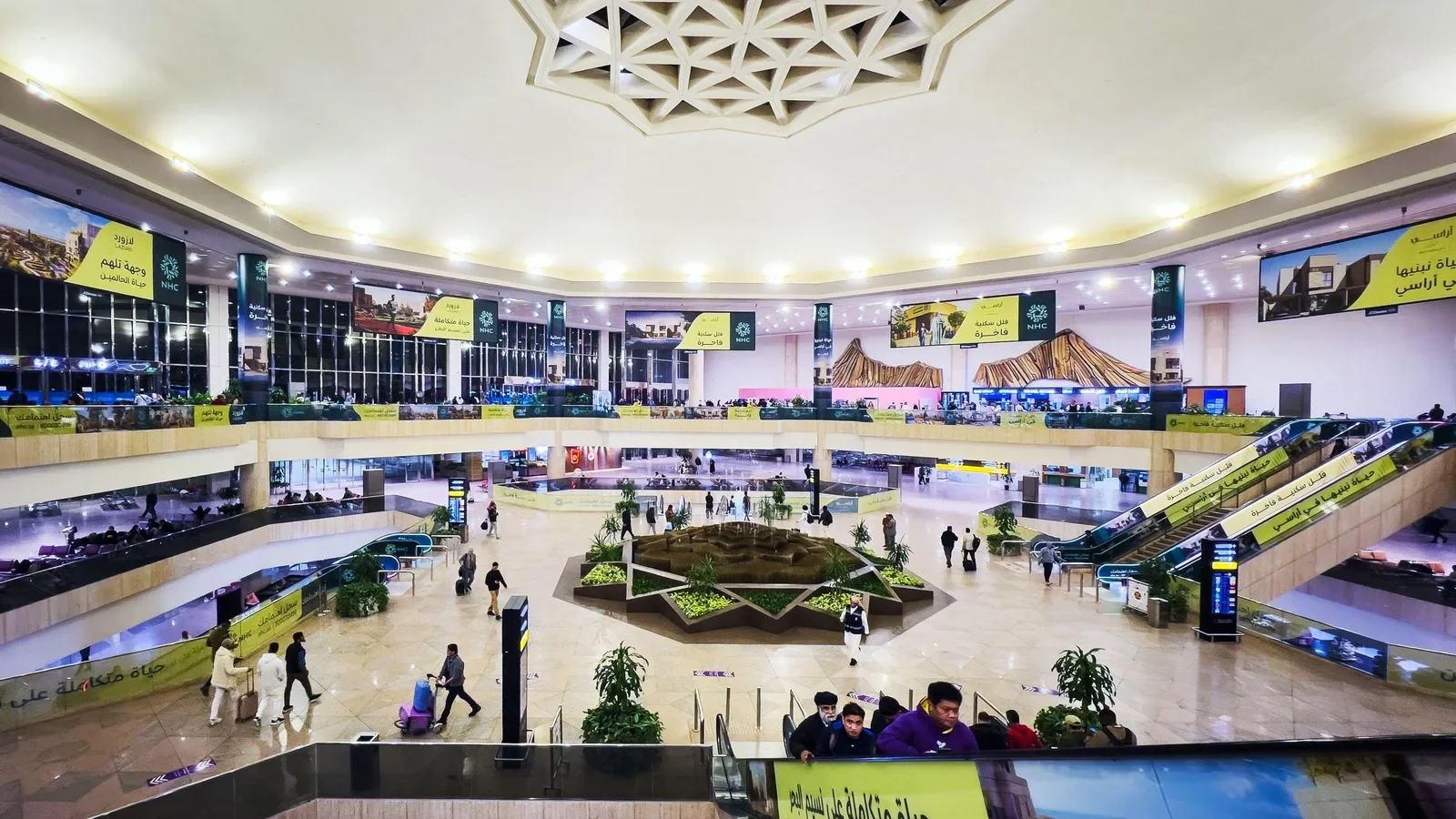
A recent strike on a Saudi airport has resulted in two fatalities, triggering an immediate security advisory from the United States for some of its diplomats to leave the kingdom. For weeks, the Iran-backed Houthis have been conducting attacks targeting Saudi Arabia's aviation and energy infrastructure, a campaign that now appears to have escalated significantly. This latest incident underscores the persistent and dangerous instability plaguing the region, with the Houthis demonstrating a continued capacity to project force and challenge Saudi security. The U.S. response, prioritizing the safety of its diplomatic personnel, signals a recognition of the increased threat level and a potential for further deterioration of the security landscape.
This renewed escalation carries significant implications for the broader Middle East and directly impacts financial sentiment in Iran. Heightened geopolitical risk in the region almost invariably translates into a greater risk premium for the Iranian economy, influencing investor confidence and currency markets. In the last 24 hours, the Iranian Toman has reflected this anxiety, with the U.S. Dollar moving from 267,600 to 272,700 Toman, marking a notable increase of 1.9%. Similarly, the Emami coin, often seen as a safe-haven asset in times of uncertainty, also saw a 1.9% rise, moving from 269,000,000 to 274,000,000 Toman. These movements suggest that Iranian citizens and investors are reacting to the perceived increase in regional instability by seeking refuge in stronger currencies and tangible assets.

Macron Vows Crackdown on French Protests Amid Rising Unrest
French President Emmanuel Macron has issued a strong condemnation of what he termed “seditious acts” by the “ultra-left” and announced his intention to pursue a ban on certain types of protests. Macron stated the government's “absolute” determination to quell the ongoing riots, signaling a significant hardening of the state's approach to public dissent. In anticipation of this weekend's demonstrations, initial details reveal a planned 20% increase in police presence compared to last weekend, with reinforcements drawn from the army, elite police forces, and gendarmerie. This decisive move aims to reassert state authority and restore order amidst persistent social unrest.
The French government's firm stance reflects growing concerns over the scale and intensity of recent demonstrations, which have at times led to widespread disruption and violence. While primarily a domestic political challenge for France, the stability of a major European economy like France can have broader implications for global markets and investor confidence in the Eurozone. Persistent social unrest could deter foreign investment and impact economic growth, potentially influencing the strength of the Euro against other major currencies, including the Iranian Toman, where the EUR currently sells at 306,200 Toman. Such developments contribute to the overall global risk assessment, though their direct impact on Iranian markets is less pronounced than localized regional conflicts.
India's Middle East Oil Imports Surge, Reshaping Energy Flows
India, one of the world's largest energy consumers, has significantly ramped up its crude oil imports from the Middle East, with figures for September showing a dramatic 32% jump compared to August. This surge propelled imports to 2.8 million barrels per day (bpd), marking the highest level recorded since February and restoring them to pre-war levels. Crucially, Middle Eastern oil now constitutes a substantial 54% of all Indian crude imports, highlighting a strategic recalibration in New Delhi's energy procurement.
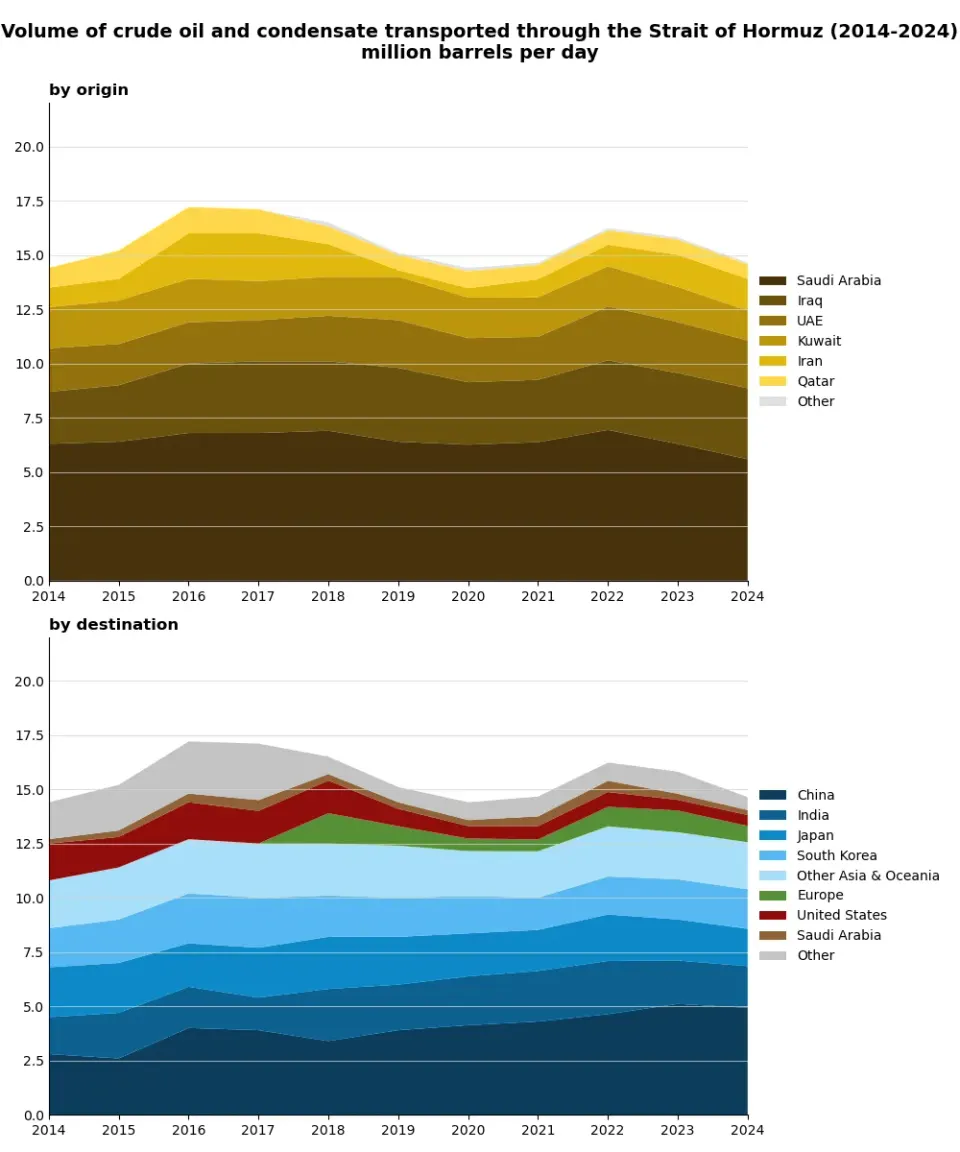
This shift is largely attributed to two key factors: an increase in crude volumes successfully transiting the Strait of Hormuz and intensifying competition from China for Russian oil supplies. As China's demand for Russian crude grows, India appears to be diversifying its portfolio, turning to the Middle East for reliable and geographically convenient supplies. For the global energy market, this signifies a dynamic rebalancing of supply chains and a renewed emphasis on the stability of key maritime routes. For Iran, an oil-rich nation operating under international sanctions, increased demand for Middle Eastern oil and heightened activity in the Strait of Hormuz could, in theory, create more avenues for its own sanctioned oil to reach buyers, albeit through complex and unofficial channels. The sustained high demand for regional crude generally supports global oil prices, which can indirectly offer some economic relief to Iran.
Australia's Snowy Hydro 2.0 Faces Massive Cost Blowout
Australia's ambitious Snowy Hydro 2.0 renewable energy project is grappling with a staggering twelve-fold cost increase, with new projections escalating its budget to as much as $25 billion. Initially proposed in 2017 with an estimated price tag of $2 billion, the pumped-hydro storage scheme has faced persistent delays and financial revisions, pushing its completion date back to the end of 2029. Despite 65% of tunneling work now being complete, the project's CEO conceded that while the situation is severe, it “could have been worse,” indicating the profound challenges encountered.
The monumental budget overrun is a consequence of several factors, including unforeseen geological complexities during tunneling, global supply chain disruptions, and soaring costs for materials and labor. This project, vital for Australia's transition to renewable energy by providing essential grid stability, has become a high-profile example of the inherent risks and financial pitfalls associated with large-scale, complex infrastructure developments. Such significant cost overruns can strain public finances and raise questions about project planning and risk assessment on a national scale. While geographically distant, these challenges resonate globally, serving as a cautionary tale for any nation, including Iran, undertaking major infrastructure initiatives, emphasizing the critical need for meticulous planning, realistic budgeting, and adaptive management in the face of unpredictable variables.
Microsoft Surface Laptop 2026: Navigating the Evolving Tech Market
Wired magazine has published its comprehensive guide to the “Best Microsoft Surface Laptop (2026),” offering critical advice on which models to purchase and which to avoid. This annual assessment is particularly timely given the dynamic nature of pricing and the continuous introduction of new devices within Microsoft's popular Surface Laptop and Surface Pro lines. The guide aims to equip consumers with the necessary information to make informed decisions in a competitive and rapidly evolving personal computing landscape.
The tech market, particularly for premium hardware like the Surface series, is characterized by rapid innovation and intense competition. Microsoft's ongoing updates to its Surface line are designed to maintain its edge against competitors such as Apple and other Windows PC manufacturers. For tech-conscious consumers and businesses, especially in regions like Iran where access to the latest technology can be challenging due to sanctions and import restrictions, such detailed purchasing guides are invaluable. They help users navigate the complexities of product specifications, performance benchmarks, and value propositions, ensuring that investments in technology are strategic and yield maximum benefit, whether acquired through official channels or the gray market. Understanding these global tech trends is crucial for maintaining productivity and competitiveness in an increasingly digital world.
Frequently Asked Questions
What is the immediate impact of the Saudi airport strike on the Iranian economy?
How do the Macron government's actions against protests in France relate to global economic stability?
Why has India increased its oil imports from the Middle East, and what does this mean for the Strait of Hormuz?
What lessons can be drawn from Australia's Snowy Hydro 2.0 project's massive cost overruns for other nations?
How do tech reviews like Wired's Microsoft Surface guide influence purchasing decisions in markets with import challenges like Iran?
Understanding Geopolitical Risk and its Impact on Currency Value
Geopolitical risk refers to the potential for political events, conflicts, or instabilities in a region to disrupt global economic and financial systems. The recent Saudi airport strike, Houthi attacks, and escalating regional tensions involving Iran are prime examples of such risks. These events create an environment of uncertainty, not only for the immediate parties involved but also for international investors and markets. When headlines report military actions or diplomatic warnings, they signal a heightened probability of economic disruption, which can range from supply chain interruptions to changes in trade relations or even the imposition of sanctions.
One of the most immediate and visible effects of heightened geopolitical risk is its impact on a country's currency value. Currencies are essentially reflections of a nation's economic health and stability, as perceived by global markets. When geopolitical tensions rise, investors often become wary of holding assets in the affected region. This "flight to safety" leads them to sell off local currency-denominated assets and convert them into more stable, internationally recognized currencies like the US dollar or Swiss franc. This increased selling pressure on the local currency, coupled with reduced foreign investment, directly contributes to its depreciation.
The slide of the Iranian Toman (USD/IRR exchange rate) mentioned in the headline is a stark illustration of this principle. Iran has been subject to significant geopolitical pressures, including international sanctions and involvement in regional conflicts, which amplify investor concerns. These factors lead to a perception of higher risk for anyone holding Iranian assets or conducting business in the country. Consequently, demand for the Toman falls, and its value against major currencies like the US dollar declines. This depreciation makes imports more expensive, fuels domestic inflation, and erodes the purchasing power of ordinary citizens, demonstrating a direct link between regional instability and everyday economic hardship.
This phenomenon isn't unique to Iran; it's a fundamental aspect of how global financial markets react to political uncertainty. Understanding geopolitical risk helps explain why seemingly distant conflicts can have tangible effects on currency exchange rates, inflation, and the broader economic outlook for nations caught in the crosshairs of regional or international disputes.