Markets Breathe Amid Regional Dread: Iran Braces for Potential Strikes as Gas Diplomacy Shifts to Moscow
بازار در سایه بیم و انتظار؛ از آمادهباش برای تهدیدات نظامی تا دیپلماسی گازی در مسکو
As Tehran wakes up to a slight dip in currency and gold prices, the geopolitical atmosphere remains thick with tension following reports of renewed strike plans. Meanwhile, Iran shifts its energy focus to Moscow as a high-profile absence from the BRICS summit raises eyebrows.
At time of publishing
USD
267,100
Toman
Gold 18K
25.60M
Toman / gram
Bitcoin
$80,521
US Dollar
Tether
266,476
Toman
Market Open — Sunday, October 25, 2026
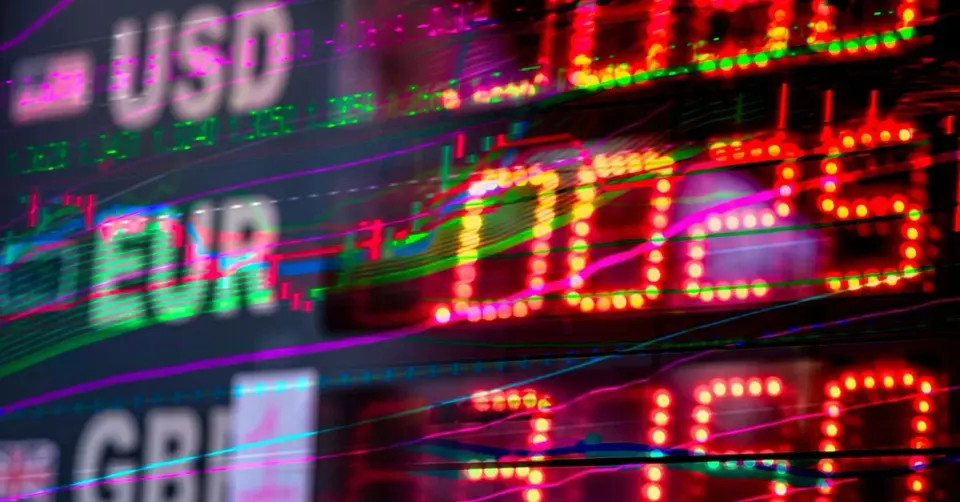
On this Sunday morning, October 25, 2026, the Iranian markets are exhibiting a rare moment of localized cooling despite the heavy geopolitical clouds gathering on the horizon. The US Dollar (USD/IRR) saw a marginal decline, moving from 267,800 to 267,100 Toman, a 0.3% drop that suggests a 'wait-and-see' approach from traders rather than a shift in long-term sentiment. Gold, often the first refuge in times of trouble, also retraced slightly; 18k gold per gram fell by 1.0% to 25,601,366 Toman, while the Emami coin dropped 1.1% to settle at 264,000,000 Toman.
In the global arena, Bitcoin remains the standout performer, trading firmly at $80,521. This resilience in the crypto space comes as global investors eye the upcoming Federal Reserve meetings, but for the Iranian observer, the primary driver remains the shadow of regional instability. The slight dip in domestic prices shouldn't be mistaken for a return to normalcy; rather, it reflects a market that has already priced in a significant amount of risk and is now pausing for the next major catalyst.
The Anxious Wait: Iran Braces for Potential Strikes
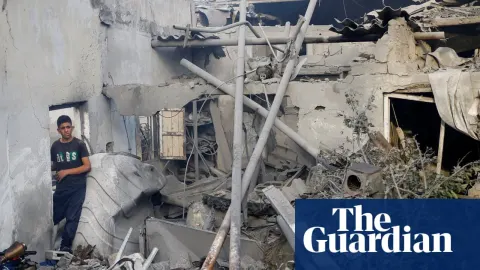
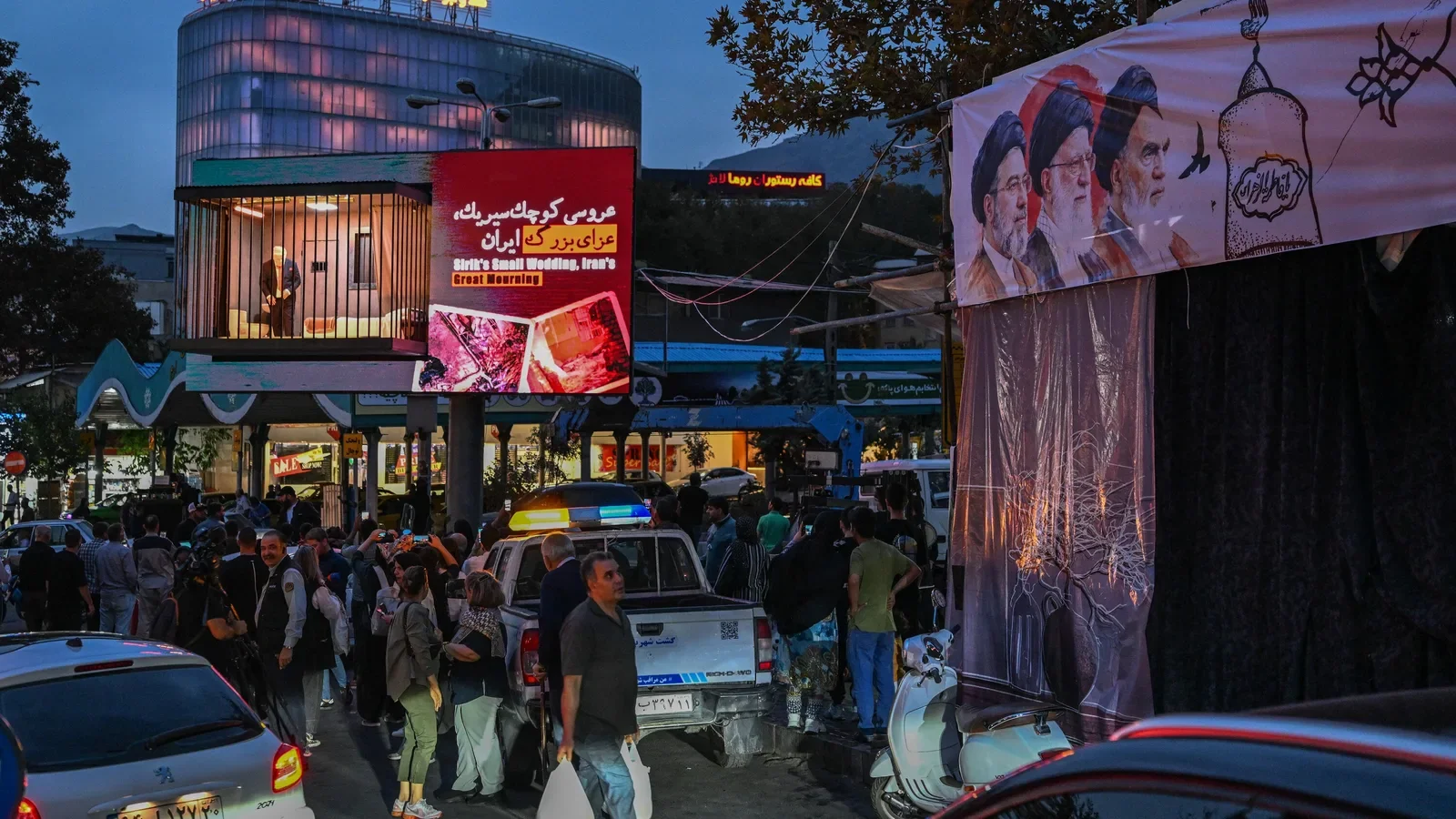
The lead story overnight is the palpable sense of dread hanging over Tehran and other major cities. According to reports from the New York Times and other international outlets, the United States and Israel have reportedly finalized plans for potential strikes against Iranian targets. For a population already weary from years of economic strangulation and previous cycles of escalation, this news has created a heavy atmosphere of uncertainty. Residents are once again facing the grim reality of being caught in the crosshairs of a high-stakes geopolitical game that shows no signs of de-escalation.
This 'anxious wait' is not just a psychological burden; it has direct implications for the Iranian economy. While the official markets showed a slight dip this morning, the informal sector and household behavior are shifting toward hoarding essentials and securing liquid assets. The coordination between Washington and Tel Aviv suggests a more structured approach to military pressure than seen in previous months, leaving the Iranian public to wonder whether the current relative calm in the streets is merely the prelude to a significant shift in the regional status quo. The government's ability to maintain social order under this level of external pressure is being tested more severely than ever before.
Gas Diplomacy in Moscow and a Curious Absence in Delhi
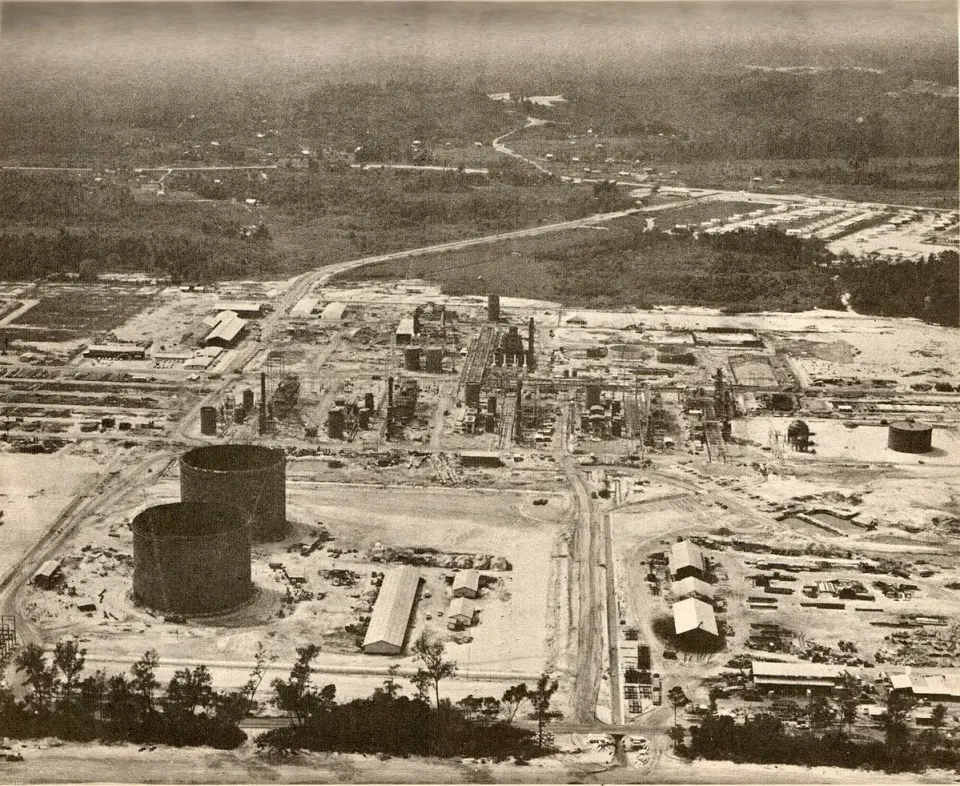
While the threat of conflict looms, the Islamic Republic is attempting to fortify its economic flanks through energy diplomacy. Acting Oil Minister Hamid Bovard has announced that Iran will aggressively pursue gas cooperation talks with Russia and other members of the Gas Exporting Countries Forum (GECF) during a summit in Moscow. The focus is reportedly on field development and 'gas exchanges'—a move clearly designed to bypass Western sanctions by deepening the energy umbilical cord with the Kremlin. This pivot to Moscow is a survival tactic, as the regime seeks to secure any form of steady revenue and technical support for its aging energy infrastructure.
Simultaneously, a significant diplomatic void was noted in New Delhi. Parliament Speaker Mohammad Bagher Ghalibaf abruptly canceled his attendance at the BRICS parliamentary speakers’ meeting, citing 'unforeseen circumstances.' While official state media (IRNA) offered no further details, the timing of his withdrawal—amidst threats of military strikes and the critical gas summit in Moscow—has sparked intense speculation about internal shifts or emergency security protocols within the upper echelons of the regime. When high-ranking officials cancel international appearances at the last minute, it usually signals that the 'unforeseen circumstances' are occurring within the walls of Tehran itself.
The Tech Sovereignty Gap: Ukraine, Starlink, and Europe
Beyond the immediate borders of the Middle East, a story of technological dependency is reaching a boiling point in Europe. Ukraine remains critically dependent on Elon Musk’s Starlink for its battlefield communications, but the lack of a viable European alternative has become a glaring strategic vulnerability. As Musk’s political and business interests increasingly intersect with global hotspots, European leaders are realizing that relying on a single private individual for national security infrastructure is a precarious position. The BBC reports that while Europe is desperate to 'plug the gap,' a functional competitor to Starlink’s low-earth orbit network is still years away from being operational.

This situation serves as a cautionary tale for any nation—including Iran—about the nature of modern sovereignty. Control over the flow of information and the infrastructure of the internet is no longer just a matter of domestic censorship; it is a primary theater of war. For the global markets, the Starlink monopoly highlights the massive valuation and influence of Musk's ventures, while for geopolitical analysts, it underscores the shift from state-controlled power to the influence of 'techno-authoritarians' who can tip the scales of a conflict with a single software update.
Frequently Asked Questions
چرا قیمت دلار و طلا با وجود تهدیدهای نظامی کاهش یافته است؟
علت لغو سفر قالیباف به نشست بریکس چه بود؟
سواپ گازی با روسیه چه سودی برای اقتصاد ایران دارد؟
Understanding Geopolitical Risk and its Impact on Financial Markets
Geopolitical risk refers to the potential for political instability, conflicts, or tensions between nations to disrupt global affairs and, consequently, financial markets. These risks can manifest as wars, trade disputes, diplomatic crises, or even shifts in alliances, creating a pervasive sense of uncertainty. For investors and businesses, understanding geopolitical risk is crucial because it introduces an unpredictable element that can significantly alter economic forecasts and investment strategies, often leading to rapid market reactions as seen in headlines linking regional dread to market sentiment.
The mechanisms through which geopolitical risk affects financial markets are multifaceted. Firstly, it often triggers a flight to safety, where investors move capital from perceived risky assets or regions (like emerging markets) into more stable havens such as gold, highly-rated government bonds, or major reserve currencies like the US Dollar. Secondly, geopolitical events can severely disrupt global supply chains, affecting the availability and cost of goods. Most notably, conflicts in key producing or transit regions can cause significant volatility in commodity prices, particularly oil and natural gas, directly impacting energy costs worldwide.
One of the most immediate and visible impacts of geopolitical risk is on currency markets. Countries facing heightened political instability or the threat of conflict often see their national currency depreciate against stronger, more stable currencies. This happens as investors lose confidence in the local economy, withdrawing capital and reducing demand for the local currency. The "USD/IRR price update" mentioned in the keywords is a direct reflection of how geopolitical tensions, such as potential strikes, can influence a nation's currency value, signaling a shift in economic perception and investor confidence.
Beyond immediate market reactions, geopolitical risks also compel nations to rethink strategic alliances and economic diplomacy. When traditional supply routes or partnerships become precarious, countries may seek new energy suppliers or strengthen ties with geopolitical allies, as suggested by "Iran gas diplomacy shifts to Moscow." Such shifts are not merely economic transactions; they are deeply intertwined with political calculations aimed at ensuring national security, economic resilience, and leverage in a volatile global environment, further illustrating the profound and interconnected nature of geopolitics and economics.
Topics
Related Articles