Lula’s Resurgence: Brazil’s Leftist Pivot and the $4,000 Gold Frontier
بازگشت لولا به قدرت؛ چرخش چپگرایانه برزیل و عبور طلای جهانی از مرز ۴۰۰۰ دلار
Luiz Inácio Lula da Silva secures a historic comeback in Brazil, reshaping South American geopolitics and drawing immediate praise from Tehran. Meanwhile, global gold prices have shattered the $4,000 ceiling, creating a ripple effect in the Iranian market as local coin prices surge.
At time of publishing
USD
269,000
Toman
Gold 18K
26.44M
Toman / gram
Bitcoin
$79,933
US Dollar
Tether
268,885
Toman
Lula’s Historic Comeback and the New Geopolitical Alignment
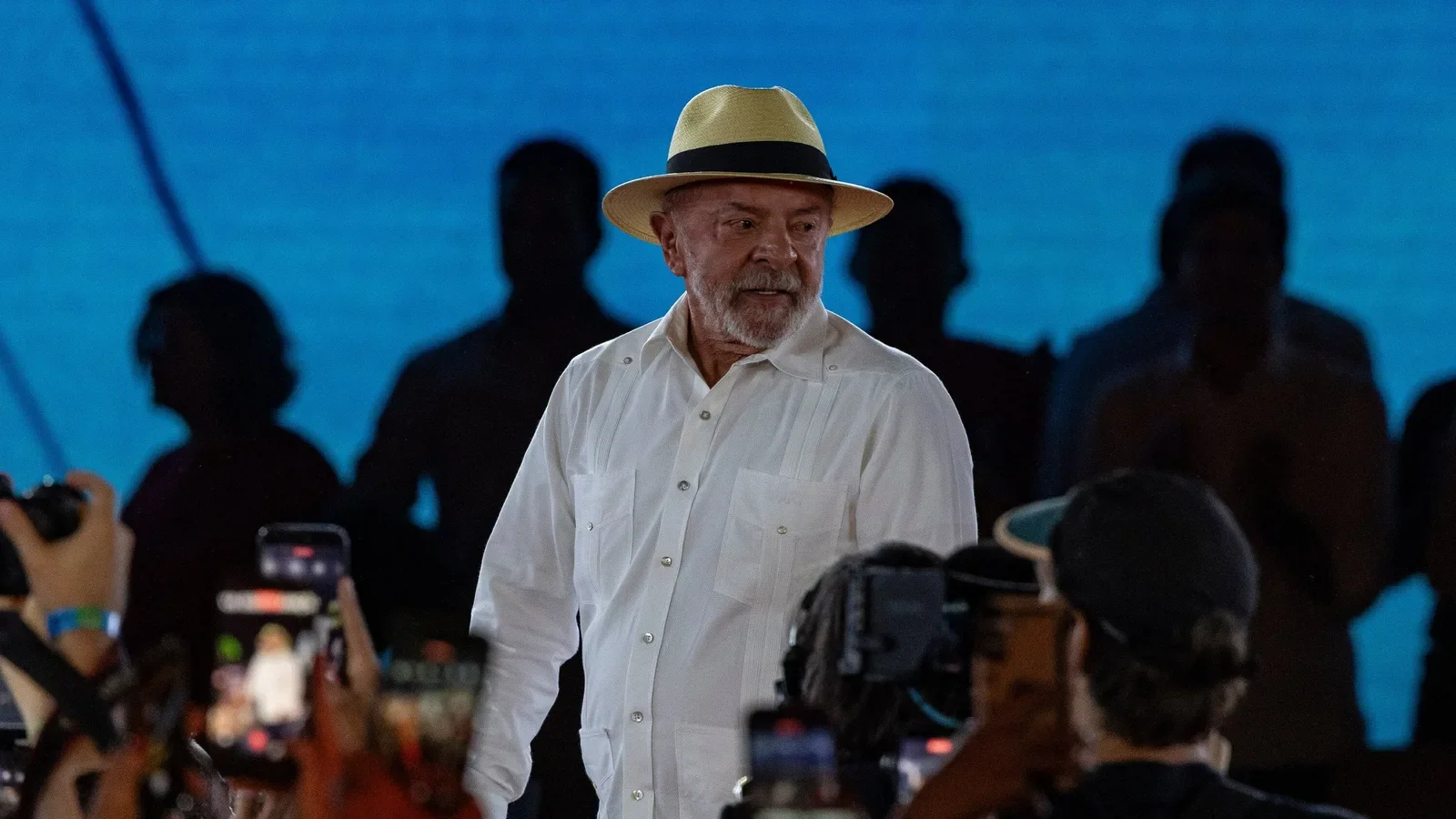
In a political revival that has sent shockwaves through the Western Hemisphere, Luiz Inácio Lula da Silva has secured a decisive victory in Brazil’s presidential election. Defeating Flávio Bolsonaro, the son of the former right-wing leader, Lula’s return to the Planalto Palace marks a significant shift away from the conservative wave that previously dominated the region. For Iran, this victory is more than a distant diplomatic event; it represents the strengthening of a key partner within the BRICS framework. President Masoud Pezeshkian was among the first to offer congratulations, explicitly calling for an immediate expansion of bilateral ties, particularly in trade and energy cooperation.
This transition in Brasília is expected to recalibrate Brazil’s stance on international sanctions and South-South cooperation. During his previous terms, Lula was a vocal advocate for a multipolar world order, often acting as a bridge between the Global South and Western powers. For the Iranian administration, which is currently navigating complex regional tensions and economic isolation, a friendly administration in Brazil offers a strategic opening. The potential for increased agricultural imports from Brazil and joint ventures in the energy sector could provide Tehran with much-needed economic breathing room, provided that the logistics of trade can bypass the hurdles of international financial restrictions.

Collective Punishment in Hebron Amid Israeli Election Fever
The humanitarian situation in the West Bank has taken a sharp turn for the worse as nearly 2,000 Palestinians in Hebron find themselves displaced. Israeli forces have reportedly taken over homes in what residents and human rights observers are calling a form of collective punishment. This escalation comes at a critical juncture, as Prime Minister Benjamin Netanyahu faces a looming election on Tuesday. Following a recent attack on an Israeli military checkpoint that resulted in the deaths of two soldiers, Netanyahu and Finance Minister Bezalel Smotrich have used the site as a backdrop to project a hardline security image to a skeptical electorate.
The timing of these military actions suggests a desperate bid to consolidate the right-wing vote. Hebron, the largest city in the West Bank, has become a proving ground for the ruling coalition’s security credentials. For the families forced to flee their homes, the geopolitical maneuvering of the Israeli cabinet translates into immediate, life-altering loss. Analysts suggest that this aggressive posture is designed to silence critics who have accused the current government of failing to protect the domestic front, but the long-term consequence is likely a further entrenchment of the conflict and a deepening of the humanitarian crisis that could ignite broader regional instability.

Gold Shatters Records as Bitcoin Tests the $80,000 Threshold
In the financial markets, today marks a historic milestone as the global price of gold has officially crossed the $4,010.90 per ounce mark. This unprecedented surge is driven by a combination of geopolitical uncertainty in the Middle East and shifting expectations regarding global interest rates. In the Tehran market, the impact was immediate: 18k gold rose from 26,063,068 to 26,437,046 Toman, a 1.4% increase within just 24 hours. The Emami coin followed suit, climbing from 267,000,000 to 270,000,000 Toman (+1.1%), as local investors scrambled to hedge against currency volatility and regional risks.
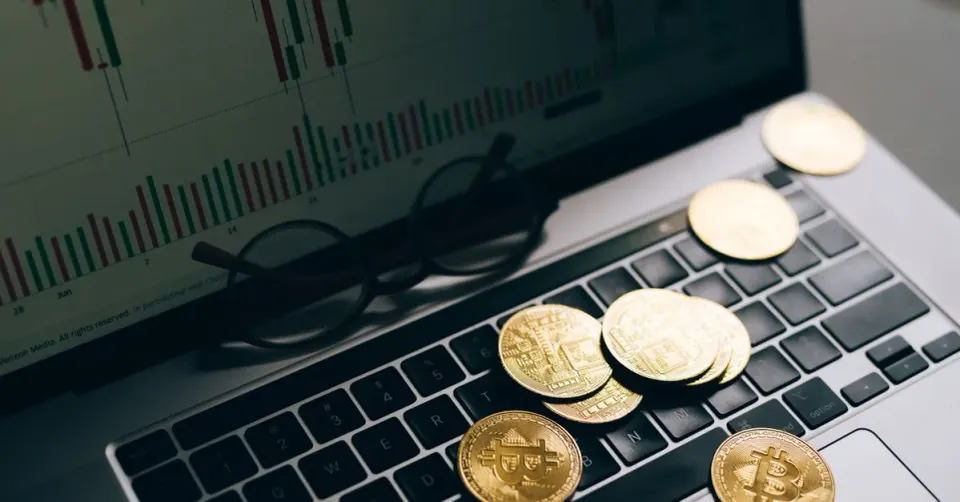
While gold glitters, the cryptocurrency market is experiencing a more tempered rally. Bitcoin is currently pinned at $79,933, struggling to maintain its footing above the psychological $80,000 barrier. Market jitters regarding oil prices—following Saudi Arabia’s move to store crude in Singapore’s underground caverns—and fluctuating interest rate forecasts have dented the appetite for riskier assets. Despite this, the underlying trend for Bitcoin remains cautiously optimistic, even as it faces distribution pressure. In Tehran, the USD sell rate saw a minor contraction, moving from 269,500 to 269,000 Toman (-0.2%), reflecting a brief moment of consolidation in an otherwise high-pressure environment.
BRICS Diplomacy and the UK’s Aid Shortfall
On the diplomatic front, an Iranian parliamentary delegation has arrived in New Delhi to meet with Om Birla, the speaker of India’s lower house. This meeting, held ahead of the 12th BRICS Parliamentary Forum, highlights Tehran’s ongoing efforts to integrate itself more deeply into the bloc’s legislative and economic structures. The discussions centered on enhancing inter-parliamentary cooperation and finding common ground on trade settlement mechanisms that avoid reliance on the US dollar. As India continues to balance its relations with both the West and the BRICS nations, Iran sees New Delhi as a vital partner in its strategy to diversify its foreign policy and economic dependencies.
Meanwhile, in Europe, the United Kingdom is facing criticism as new calculations suggest it will miss its international aid spending target. The Center for Global Development (CGD) reports that the UK is on course for a £410 million shortfall in its promised development assistance by the end of next year. This reduction in aid spending reflects the tightening fiscal constraints facing major Western economies, which could have significant implications for global development projects and the UK’s soft power abroad. For the Global South, this shortfall underscores the necessity of alternative frameworks like BRICS, which are increasingly seen as more reliable partners in long-term infrastructure and development projects.
Watch
Brazil's Lula clinches election victory as Bolsonaro rejects results
euronews
Frequently Asked Questions
چرا پیروزی لولا در برزیل برای ایران اهمیت دارد؟
علت اصلی جهش قیمت طلا به بالای ۴۰۰۰ دلار چیست؟
وضعیت بیتکوین در بازار امروز چگونه است؟
Understanding Safe-Haven Assets Amidst Global Shifts
In times of economic uncertainty or geopolitical instability, investors often seek refuge in what are known as safe-haven assets. These are investments expected to retain or even increase in value during market turbulence, offering a degree of protection against inflation, currency devaluation, or stock market downturns. The quintessential safe-haven asset is gold, revered for millennia as a store of value due to its intrinsic worth, limited supply, and universal acceptance, making it a reliable choice when traditional financial markets face headwinds.
The current global landscape, marked by significant political shifts like Lula's resurgence in Brazil and the expanding influence of forums such as BRICS, often fuels demand for such assets. As nations explore new economic alliances and potentially move towards de-dollarization, the perceived stability of traditional currencies can waver. This environment encourages investors to diversify into tangible assets like gold, which historically has demonstrated a low correlation with other asset classes during crises, providing a hedge against systemic risks and currency fluctuations.
Beyond traditional choices, cryptocurrencies like Bitcoin are increasingly being discussed as potential "digital safe havens." While significantly more volatile than gold, Bitcoin's decentralized nature, fixed supply, and independence from central banks appeal to some investors seeking alternatives to fiat currencies, especially in regions experiencing high inflation or capital controls. The notion of a "$4,000 gold frontier" and an "$80,000 Bitcoin price" reflects a market grappling with profound uncertainties, where both time-honored and novel assets are seen as crucial for preserving wealth.
Ultimately, the heightened interest in gold, evident in markets like Tehran, and the speculative targets for Bitcoin's value, underscore a fundamental investor impulse: the desire to protect capital from the unpredictable currents of global politics and economics. Understanding safe-haven assets provides critical insight into how market participants react to perceived risks, seeking stability and value preservation in a world undergoing rapid and significant transformation.
Topics
Related Articles