Brazil’s Election Crisis: Lula Secures Historic Win as Bolsonaro Stays Silent Amid $114 Global Oil Surge
بحران سیاسی در برزیل: پیروزی لولا و سکوت بولسونارو در کنار جهش قیمت نفت به ۱۱۴ دلار
Brazil enters a period of intense political uncertainty as Luiz Inácio Lula da Silva secures a fourth term while Jair Bolsonaro refuses to concede. Simultaneously, global energy markets are reeling from $114 Brent crude, forcing new diplomatic shifts between Iran and its neighbors.
At time of publishing
USD
269,500
Toman
Gold 18K
26.69M
Toman / gram
Bitcoin
$80,087
US Dollar
Tether
270,352
Toman
Brazil’s Democratic Standoff and the Global South
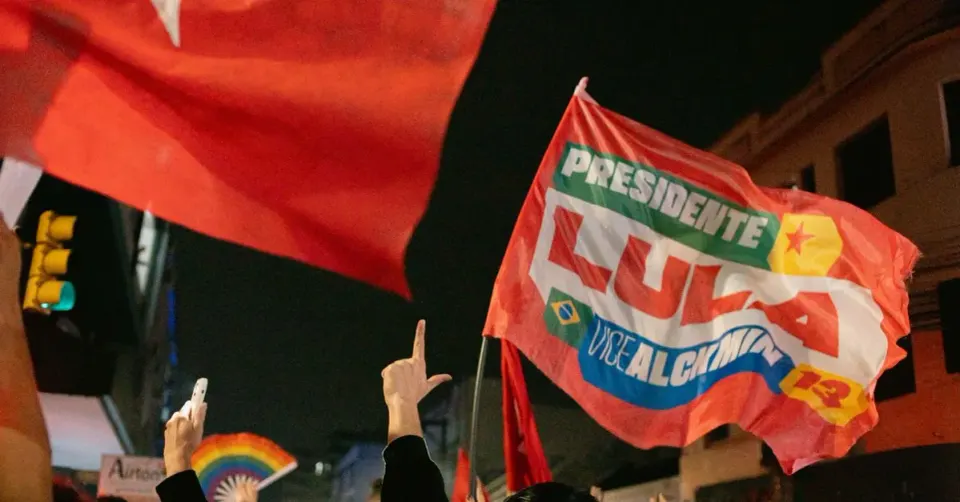
Brazil has been thrust into a state of political suspension following the historic victory of Luiz Inácio Lula da Silva, who secured a fourth non-consecutive term as president. Despite congratulations pouring in from world leaders, the incumbent camp has yet to formally concede, raising fears of a protracted institutional crisis. The tension escalated today as the local electoral court ordered the arrest of the municipal transport secretary, Pablo Souza, on suspicion of electoral offenses. While Souza is currently in Paris, the move underscores the deep-seated legal and political fractures within the country’s administration. Supporters of the outgoing administration have already filed requests to extend voting hours in several states, citing heavy rains as a barrier to turnout, though critics view these moves as attempts to delegitimize the final tally.
For the global economy, Brazil’s stability is paramount. As a leading member of the BRICS bloc and a major exporter of agricultural and mineral commodities, any prolonged unrest in Brazil could disrupt supply chains already stressed by geopolitical tensions elsewhere. Lula’s return marks a significant pivot toward leftist policies and a focus on environmental protections in the Amazon, which could redefine Brazil’s trade relations with the European Union and the United States. However, the immediate concern for investors remains the peaceful transition of power. If the refusal to concede translates into street protests or military hesitation, the Brazilian Real and local equities could face severe volatility in the coming days.
Energy Diplomacy and the $114 Oil Reality
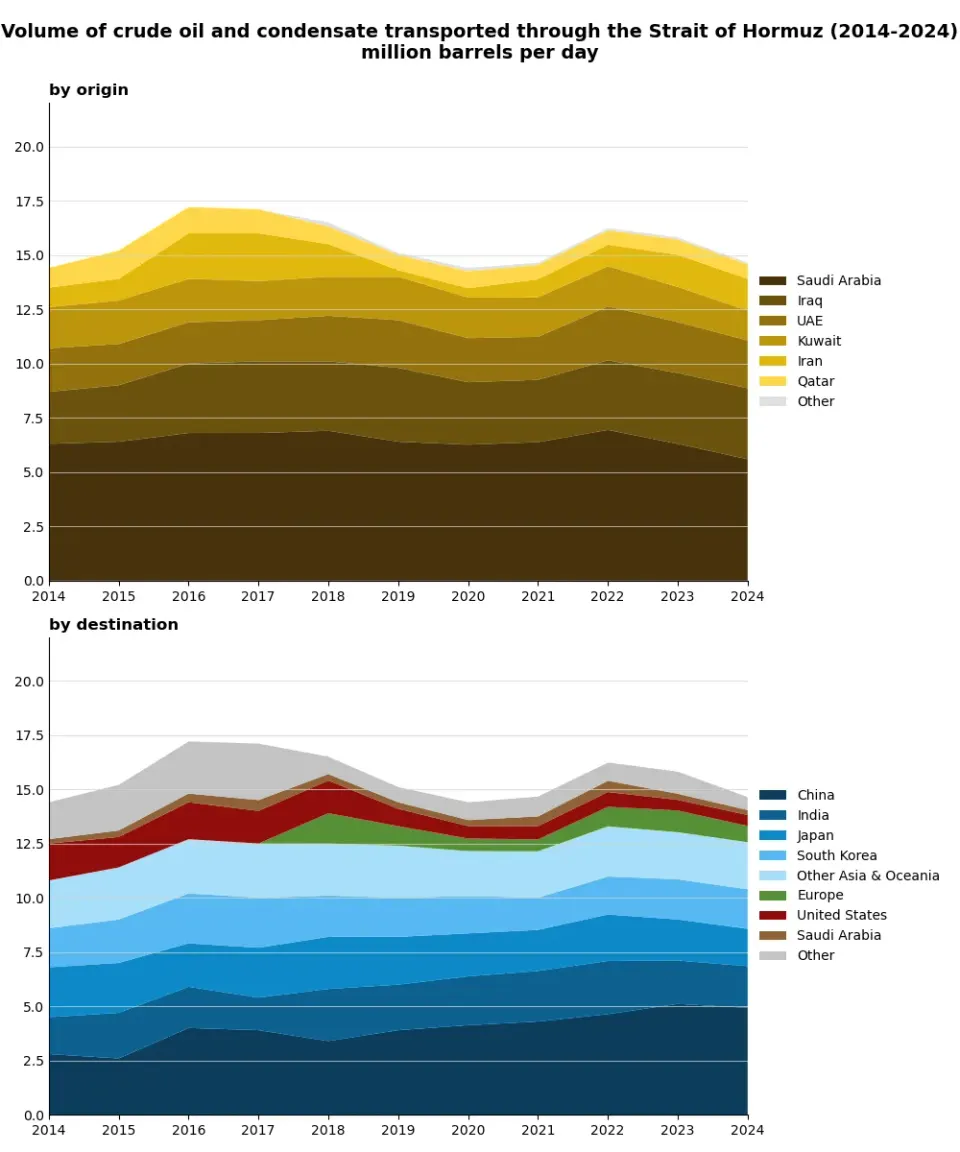
In Tehran, Foreign Minister Abbas Araghchi has issued a call for international cooperation to stabilize global gas and energy markets, placing the onus of regional de-escalation on the United States’ political choices. Araghchi’s remarks come at a critical juncture as Brent crude prices have surged to $114 per barrel. This price spike is not merely a number on a screen; it is actively disrupting major economies like India, where the Sensex and Nifty 50 indices have booked significant losses today. The Iranian government’s stance suggests that while they are open to dialogue to ensure safe shipping in the Persian Gulf, they maintain that Western sanctions and political pressure are the primary drivers of market instability.
Adding a layer of regional complexity, officials from the "Mecca Pact" states are scheduled to hold high-level talks in Iran. This represents the first major diplomatic contact between Tehran and this bloc since Houthi rebels intensified their campaign against Saudi infrastructure. The urgency of these talks is underscored by Saudi Arabia’s recent decision to store crude oil in Singapore’s underground caverns to protect its supply from regional disruptions. The fact that Riyadh is looking as far as Southeast Asia for secure storage highlights the perceived vulnerability of energy infrastructure in the Middle East, even as oil prices reach levels that threaten global industrial growth.
Tehran Market Snapshot: Gold Surges as USD Holds Steady
The domestic market in Tehran on Monday, October 26, 2026 (4 Aban 1405), showed a distinct divergence between currency and precious metals. While the US Dollar remained flat at 269,500 Toman, gold and coins saw significant gains driven by international factors. Gold 18k rose from 26,063,068 to 26,686,365 Toman, a 2.4% increase in just 24 hours. Similarly, the Emami coin climbed 1.1% to reach 270,000,000 Toman. This surge is directly linked to the global gold price, which has breached the historic $4,000 per ounce mark, serving as a hedge for investors wary of the $114 oil environment and the ongoing political drama in South America.
In the digital asset space, Bitcoin continues to display resilience, holding steady around the $80,087 level. Despite some technical distribution patterns that have seen the asset break below key moving averages, institutional interest remains high. US spot Bitcoin ETFs recently snapped a two-week outflow streak, bringing in $301 million in net inflows. For Iranian investors, the combination of a stable USD and rising gold/crypto prices creates a complex environment where capital is increasingly moving toward assets that offer protection against global energy-driven inflation rather than local currency fluctuations.
Environmental Volatility: Australia’s Deadly Deluge
While markets focus on oil and elections, a human tragedy is unfolding in Australia as Queensland grapples with a days-long deluge. Emergency services confirmed the death of a man in floodwaters at Boompa on the Fraser Coast, marking a grim milestone in an unusual weather system that has delivered multiple storms across the state. This environmental volatility is increasingly becoming a factor in regional logistics and insurance costs, adding another layer of risk to global trade routes. The floods have cut off major roads and isolated communities, highlighting the growing cost of climate-related disasters on national infrastructure.
This disaster comes amid a heated political atmosphere in Australia, where independent MPs have criticized the government for being "tone deaf" to public sentiment. While the immediate focus remains on search and rescue operations, the long-term economic impact of such frequent and severe weather events is starting to weigh on the Australian Dollar and local agricultural exports. For global observers, the situation in Queensland serves as a reminder that geopolitical and market stability are increasingly intertwined with environmental resilience.
Watch
Leftist incumbent edges out far-right Bolsonaro | DW News
DW News
Frequently Asked Questions
Why did gold prices rise in Tehran while the USD remained stable?
What is the significance of the 'Mecca Pact' talks in Tehran?
How does the Brazilian election affect the Iranian economy?
The Geopolitics of Oil and its Global Economic Impact
The recent surge in Brent crude oil prices to $114 per barrel, as highlighted in the news, underscores a critical concept in global economics: the profound influence of geopolitics on oil markets. Unlike many commodities whose prices are primarily dictated by simple supply and demand, crude oil is deeply intertwined with international relations, political stability, and strategic decisions made by nations and alliances. This complex interplay means that events far from an oil field—such as national elections, diplomatic tensions, or regional pacts—can send ripple effects across global energy prices.
Geopolitical factors exert their influence through several channels. Political instability in major oil-producing regions can threaten supply, leading to speculative buying and price hikes. Decisions by cartels like OPEC+ regarding production quotas directly impact global supply. Furthermore, international sanctions, trade disputes, and even the rhetoric of key political figures can shift market sentiment, affecting future supply expectations and investment decisions. For instance, the outcome of an election in a major producing or consuming nation, or a new regional energy agreement, can introduce uncertainty or clarity that moves prices significantly.
When oil prices surge, the economic consequences are far-reaching. Higher energy costs translate into increased expenses for transportation, manufacturing, and agriculture, often leading to inflationary pressures across various goods and services. Consumers face higher prices at the pump and for heating, which can reduce disposable income and dampen overall economic growth. Energy-dependent industries, from airlines to logistics, see their profit margins squeezed, potentially leading to job losses or reduced investment. Developing economies, particularly those reliant on oil imports, are often hit hardest, exacerbating trade deficits and straining national budgets.
Understanding the geopolitics of oil is therefore crucial for anyone seeking to comprehend global economic trends. It reveals how seemingly disparate political events—from a presidential election in Brazil to diplomatic discussions concerning energy policy in the Middle East—can converge to shape the cost of the world's most vital commodity. This interconnectedness makes oil prices not just an economic indicator, but a barometer of global political and economic stability, reflecting a delicate balance of power, resources, and future expectations.