UK Sanctions Sudan Warlords as Gold Breaches $4,000; Obama Blasts Trump’s Iran Strategy Ahead of Midterms
تحریم جنگسالاران سودان توسط بریتانیا و عبور طلا از مرز ۴۰۰۰ دلار؛ حمله تند اوباما به سیاستهای ایرانِ ترامپ
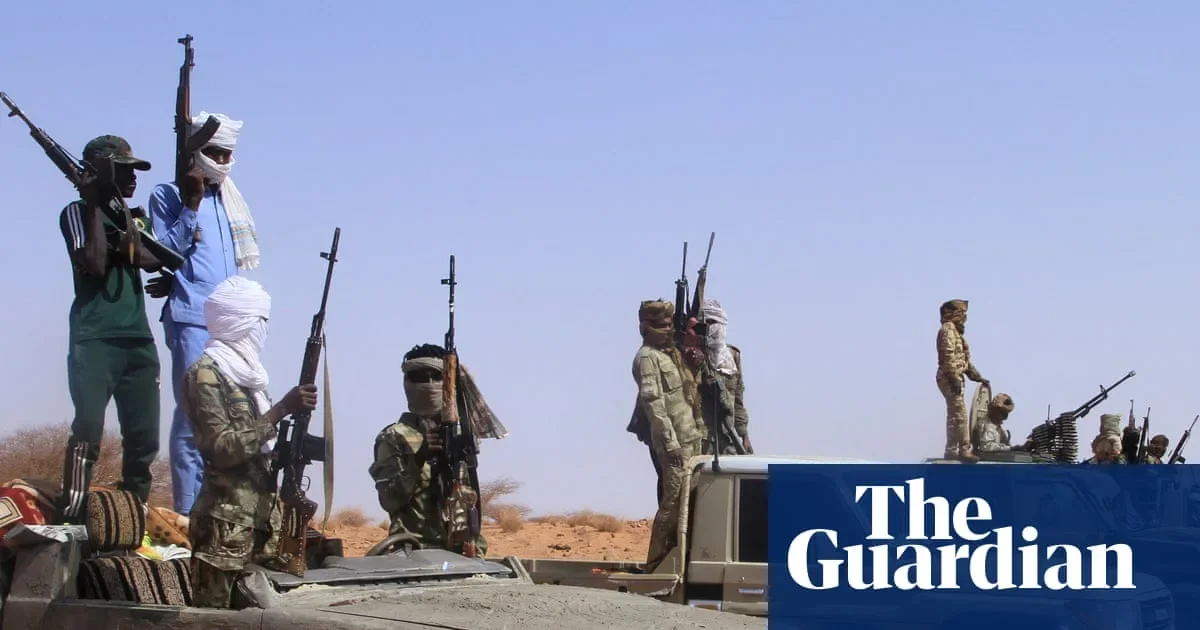
The UK has imposed sweeping sanctions on Sudanese military leaders following a horrific campaign of violence in El Fasher, while global markets react to gold breaching the $4,000 milestone. Meanwhile, Barack Obama has entered the US midterm fray, sharply criticizing Donald Trump’s 'chaotic' approach to Iran and foreign policy.
At time of publishing
USD
270,900
Toman
Gold 18K
26.39M
Toman / gram
Bitcoin
$80,499
US Dollar
Tether
270,306
Toman
UK Sanctions Sudanese Commanders Amid Atrocities in El Fasher
The British government has announced a significant escalation in its response to the ongoing conflict in Sudan, imposing strict sanctions on senior military leaders from both the Sudanese Armed Forces (SAF) and the Rapid Support Forces (RSF). These measures, which include asset freezes and travel bans, come on the first anniversary of what has been described as a 'campaign of rape' and systematic slaughter in the city of El Fasher. The UK Foreign Office stated that these commanders are directly implicated in the largest and fastest slaughter of civilians seen in over three decades, highlighting a humanitarian crisis that has largely been overshadowed by other global conflicts.
This move by London is not merely symbolic; it aims to disrupt the financial networks that sustain the warring factions and put pressure on regional actors who continue to fuel the violence. By targeting the leadership responsible for sexual violence and mass killings, the UK is attempting to reassert international law in a region where accountability has been non-existent. For global markets, this signals a tightening of the geopolitical environment in East Africa, a region critical for trade routes and emerging energy markets, potentially increasing the risk premium on logistics passing through the Red Sea corridor.

US Midterms: Obama Targets Trump’s Iran Strategy
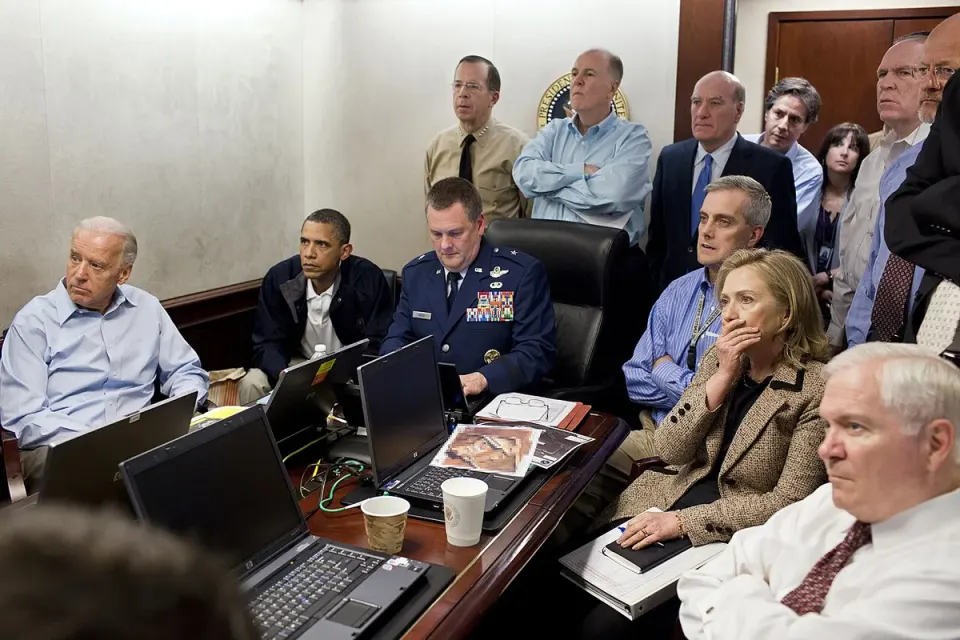
With only ten days remaining until the US midterm elections, former President Barack Obama has taken to the campaign trail with a blistering critique of Donald Trump’s foreign policy, specifically focusing on the 'chaos and cruelty' of the current administration's approach to Iran. Speaking at a rally for Democratic candidates, Obama accused Trump of dismantling diplomatic frameworks without a viable alternative, leading to increased regional instability. He argued that the current strategy has not only failed to curb Tehran’s nuclear ambitions but has also alienated key European allies, creating a vacuum that rivals like China and Russia are eager to fill.
For the Iranian economy, these political shifts in Washington are of paramount importance. The prospect of a Republican-controlled Congress could lead to even more stringent enforcement of existing sanctions, whereas a Democratic stronghold might preserve the slim possibility of future diplomatic engagement. This political uncertainty is already being felt in the Tehran market, where the US Dollar rose from 269,500 to 270,900 Toman (+0.5%) in the last 24 hours. Traders are clearly hedging against the potential for renewed 'maximum pressure' rhetoric as the American election cycle reaches its fever pitch.
Gold Breaches $4,000 as Tehran Markets React
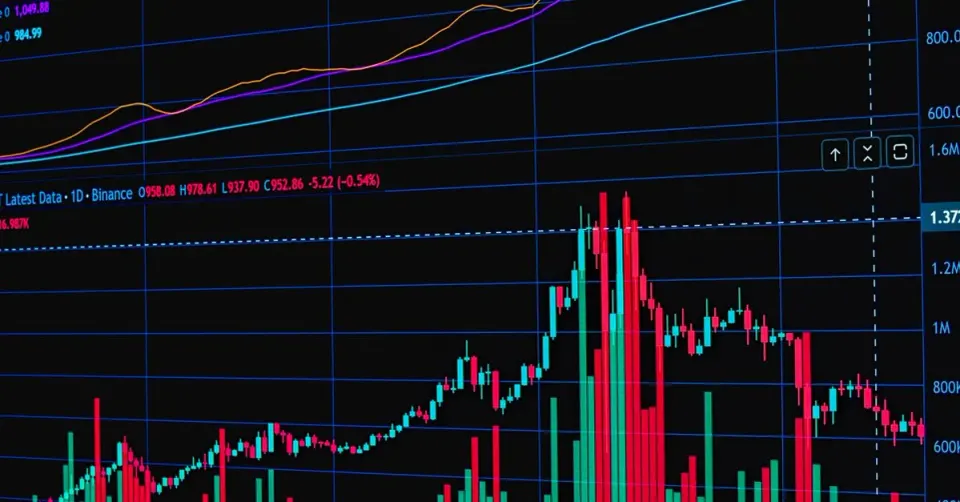
In a historic turn for global commodities, the price of a gold ounce has officially breached the $4,019.10 mark, reflecting a profound sense of unease among global investors. This surge is driven by a combination of geopolitical tensions in the Middle East, the escalating conflict in Sudan, and the unpredictable nature of the upcoming US elections. In Tehran, the impact was immediate and pronounced, with 18k gold rising from 26,063,068 to 26,390,876 Toman per gram, a substantial 1.3% increase in just a single day. The Emami coin also saw a rise, moving from 267,000,000 to 268,500,000 Toman (+0.6%), as local savers scramble to protect their purchasing power against a weakening currency.
Beyond the raw numbers, there is a growing trend of consumers seeking alternatives to traditional luxury. As highlighted by the rising popularity of online retailers like Quince, which offers jewelry at a fraction of the cost of local jewelers, the high price of gold is forcing a democratization—or perhaps a commoditization—of the market. While the wealthy continue to stack physical bullion, the middle class is increasingly looking toward digital assets or lab-grown alternatives. Bitcoin, meanwhile, remains relatively stable at $80,499, acting as a secondary hedge for those who find the entry price of physical gold increasingly prohibitive.
The Crisis of Trust: AI Warnings and Public Scandals
The technological and cultural spheres are also facing a significant crisis of trust. Anthropic, the AI heavyweight, has recently filed for its blockbuster IPO, but the prospectus came with a chilling warning about the 'catastrophic risks' that artificial intelligence poses to humankind. This admission, while perhaps a legal necessity to shield against future liability, has rattled investors who are already wary of the rapid pace of AI development. Simultaneously, the company is facing lawsuits from the estate of Elvis Presley over copyright violations, highlighting the ongoing battle between generative technology and intellectual property rights.
This atmosphere of distrust extends to the cultural realm, where the trial of Russell Brand continues to dominate headlines. Testimonies regarding his 'insane sexual appetite' and 'bad behavior' have painted a disturbing picture of celebrity culture and the lack of oversight in the entertainment industry. For the general public, these stories—from the potential dangers of AI to the fall of cultural icons—contribute to a broader sense of institutional decay. In an era where even the most advanced technologies and most famous individuals are under scrutiny, the flight toward 'hard assets' like gold and decentralized currencies like Bitcoin becomes even more understandable as a search for stability in an unstable world.
Frequently Asked Questions
Why did the UK sanction Sudanese military leaders now?
How does the US midterm election affect the Iranian Rial?
Why is gold reaching record highs above $4,000?
What is the 'catastrophic risk' Anthropic warned about?
Understanding Economic Sanctions: A Tool of Geopolitical Pressure
Economic sanctions are a powerful, non-military foreign policy tool used by countries or international bodies to pressure states, individuals, or entities into changing their behavior. They typically involve restrictions on trade, finance, travel, or other economic activities. The primary goal is often to compel a target to cease actions deemed undesirable, such as human rights abuses, nuclear proliferation, or supporting terrorism, without resorting to military intervention. For instance, the UK's sanctions on Sudanese warlords aim to curb violence and atrocities by limiting their financial access and ability to operate internationally.
These measures can take various forms, ranging from comprehensive embargoes that block nearly all trade and financial transactions with a target country, to more targeted or "smart" sanctions. Targeted sanctions aim to minimize harm to the general population by focusing on specific individuals (like the warlords mentioned), entities, or sectors. Common types include asset freezes, travel bans, arms embargoes, restrictions on access to international financial systems (like SWIFT), and limitations on specific imports or exports, such as oil or technology.
While intended to exert pressure, economic sanctions often have complex and far-reaching consequences. They can significantly impact the target economy, leading to currency depreciation, inflation, and a decline in living standards for ordinary citizens, as seen in countries like Iran. This can sometimes fuel discontent and instability, potentially achieving the desired political change, but also risking humanitarian crises or strengthening authoritarian regimes by fostering a "siege mentality." The effectiveness of sanctions is a subject of ongoing debate, with success often depending on the target's economic resilience, the degree of international cooperation, and the clarity of the demands.
Critics argue that sanctions frequently fail to achieve their stated goals, instead disproportionately harming innocent civilians and fostering black markets. They can also push targeted nations towards closer ties with other states willing to circumvent the sanctions, thereby undermining the international consensus. Understanding economic sanctions is crucial for deciphering global geopolitical dynamics, as they remain a frequently deployed instrument in an interconnected world grappling with complex conflicts and policy disagreements.
Topics
Related Articles