UK Businesses Threaten Visa, Mastercard with £5 Billion Lawsuit; Saudi Shifts Oil Stance Amid Global Economic Jitters
تهدید ویزا و مسترکارت به شکایت ۵ میلیارد پوندی در بریتانیا؛ عربستان سیاست نفتی خود را تغییر داد
Global financial giants Visa and Mastercard face a massive £5 billion lawsuit in the UK over alleged excessive fees, highlighting growing scrutiny on payment systems. Meanwhile, Saudi Arabia has reportedly abandoned a core oil rule, signaling a significant shift in energy policy, while domestic political tensions rise in Iran as hardliners challenge President Pezeshkian.
At time of publishing
USD
270,800
Toman
Gold 18K
26.34M
Toman / gram
Bitcoin
$80,093
US Dollar
Tether
270,488.851
Toman
Visa and Mastercard Face £5 Billion UK Lawsuit Over Alleged Excessive Fees
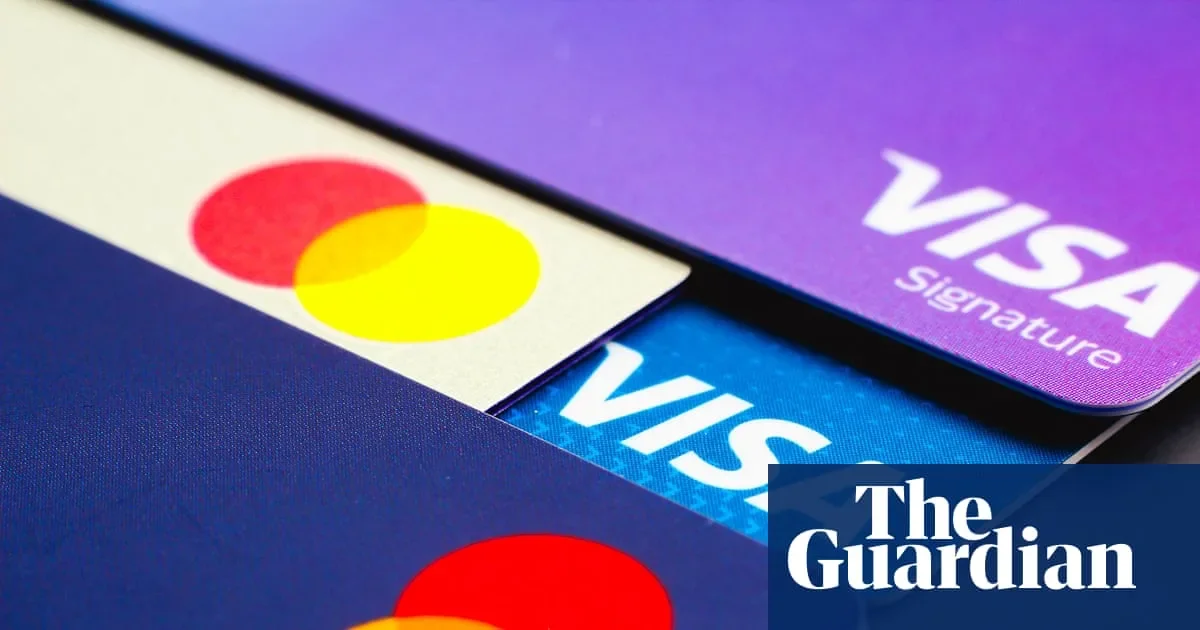
Global payment processing giants Visa and Mastercard are confronting a significant legal challenge in the United Kingdom, where they are being threatened with a potential £5 billion lawsuit. Law firms Harcus Parker and Hausfeld have jointly lodged an application at the Competition Appeal Tribunal, seeking to pursue a group claim on behalf of UK businesses. The core accusation centers on alleged overcharging for customer card payments since October 2020, claiming that the companies have stifled competition and imposed excessive fees.
This legal action reflects a growing global trend of increased regulatory scrutiny on the practices of major tech and financial corporations. The lawsuit argues that the interchange fees and other charges levied by Visa and Mastercard have been unfairly high, impacting the operational costs of countless businesses across the UK. Such fees are a critical component of the payment ecosystem, and any successful challenge could set a precedent for how these charges are regulated in other jurisdictions.
The implications of this lawsuit are far-reaching. If the claim is successful, it could force Visa and Mastercard to fundamentally alter their fee structures, potentially leading to substantial compensation payouts and, in the long term, lower transaction costs for businesses. These savings could then be passed on to consumers, influencing prices across various sectors. Beyond the financial impact, the case underscores the ongoing debate about market dominance and fair competition in the digital payment landscape, pushing for greater transparency and accountability from industry leaders.

Saudi Arabia Abandons Core Oil Rule Amid Geopolitical Pressures
In a significant strategic shift, Saudi Arabia has reportedly abandoned a core oil rule that has long guided its energy policy. This departure is linked to broader geopolitical objectives, specifically the US-led "Operation Epic Fury" against Iran, launched on February 28. According to OilPrice, this operation aimed to prevent Iran from developing nuclear weapons, effect regime change, degrade its ballistic missile capabilities, and neutralize its proxies like Hamas and Hezbollah, with full backing from the US Cabinet.
This move suggests that Saudi Arabia's oil strategy is now more overtly intertwined with regional security and geopolitical aims, rather than being solely dictated by market dynamics. By abandoning a long-held rule, the Kingdom may be signaling a more flexible or even aggressive approach to oil production and pricing, potentially in coordination with Western powers to exert economic pressure or stabilize global energy markets in response to the perceived Iranian threat.
The ramifications for global energy markets are substantial. A shift in Saudi Arabia's core oil rule could introduce new volatility, impacting crude prices and the stability of supply. It also highlights the intricate and often volatile relationship between energy policy and geopolitical maneuvering in the Middle East, where oil remains a powerful tool in the pursuit of strategic objectives. This development could reshape alliances and influence energy security for nations worldwide.
Iran’s Hardliners Turn Against President Pezeshkian Over US Negotiations
Internal political tensions are escalating in Iran, with anti-negotiation hardliners reportedly turning against President Pezeshkian, particularly concerning his stance on potential negotiations with the United States. This opposition, highlighted by Al Jazeera, underscores a deep ideological rift within the Iranian political establishment regarding foreign policy and engagement with Western powers. While hardliners view any dialogue with the US as a capitulation and a betrayal of revolutionary principles, President Pezeshkian may be exploring diplomatic avenues to alleviate severe economic pressures facing the country.
This internal struggle is not merely a policy debate but a fundamental power contest over Iran’s future direction. The hardliners’ resistance aims to preserve a policy of unwavering confrontation and self-reliance, fearing that negotiations could compromise national sovereignty or ideological purity. Conversely, any move by Pezeshkian towards diplomacy would likely be an attempt to secure sanctions relief and improve living conditions for the Iranian populace, which continues to grapple with high inflation and economic hardship.
The implications of this internal pushback are significant for both domestic and international relations. Such opposition could severely limit President Pezeshkian’s capacity to pursue a more moderate or pragmatic foreign policy, potentially hindering efforts to de-escalate regional tensions or revive international agreements like the JCPOA. For the Iranian public, this ongoing political infighting means continued uncertainty regarding economic recovery and international reintegration, directly impacting currency expectations and overall confidence in the nation's future.

Market Snapshot: Toman Depreciates, Gold and Coin Rise Amid Uncertainty
In the last 24 hours, the Iranian Toman experienced a slight depreciation against the US Dollar, with the USD moving from 269,500 to 270,800, marking a +0.5% increase. Concurrently, local gold and coin markets saw gains, reflecting a continued demand for safe-haven assets. Gold 18k per gram rose from 26,063,068 to 26,340,089 Toman, an increase of +1.1%, while the Emami coin climbed from 267,000,000 to 268,500,000 Toman, up by +0.6%.
These market movements underscore ongoing economic pressures and a prevailing sense of uncertainty within the Iranian economy. The depreciation of the Toman, even if marginal, signals a persistent lack of confidence in the national currency, often driven by inflation concerns, geopolitical risks, and the impact of international sanctions. Investors and individuals frequently turn to tangible assets like gold and coins as a hedge against inflation and a more stable store of value during times of economic instability.
For the average Iranian, a rising US Dollar and increasing gold prices translate directly into a higher cost of imported goods and a diminished purchasing power for those holding Toman. This trend highlights the enduring challenges faced by the populace in preserving wealth and managing daily expenses amidst a volatile economic landscape. The market's behavior suggests a continued flight towards assets perceived as more secure, reflecting broader anxieties about economic stability and future prospects.
Trump Calls Bill Maher a ‘TOTAL LOSER’ in Extensive Social Media Rant
Former US President Donald Trump recently engaged in a lengthy social media tirade, unleashing a 1,300-word rant on Truth Social where he labeled late-night US TV host Bill Maher a “TOTAL LOSER.” This outburst followed Maher’s interview with former White House press secretary Karoline Leavitt, indicating Trump’s continued close monitoring and aggressive response to media coverage he deems unfavorable.
This kind of extensive and personal attack is characteristic of Trump's communication style, frequently using social media platforms to directly confront critics, discredit opponents, and shape narratives without the filter of traditional media. The timing, amidst his ongoing political activities and potential presidential campaign, suggests a deliberate strategy to maintain his public profile and rally his base by attacking perceived adversaries in the media.
While seemingly a personal dispute, such high-profile exchanges contribute significantly to the highly polarized political discourse in the United States. They underscore the persistent role of social media as a direct and often unfiltered communication channel for political figures, bypassing traditional journalistic scrutiny. This dynamic continues to influence public perception, erode trust in established media institutions, and shape the broader political landscape.
Antitrust Law: How Competition Rules Shape Payments and Oil Markets
Antitrust law—also known as competition law—is a set of regulations designed to prevent firms from abusing market power to the detriment of consumers and other businesses. At its core, the law seeks to preserve competitive markets by prohibiting practices such as price‑fixing, market sharing, and the abuse of dominant positions. In the United Kingdom, the primary statutes are the Competition Act 1998 and the Enterprise Act 2002, which empower the Competition and Markets Authority (CMA) to investigate and sanction firms that engage in anti‑competitive conduct.
The recent threat by UK retailers to sue Visa and Mastercard for £5 billion centers on interchange fees – the charges that merchants must pay to card‑issuing banks for each transaction. Critics argue that the duopoly of Visa and Mastercard sets these fees at artificially high levels, effectively squeezing merchants and inflating consumer prices. By invoking the UK’s competition law, the retailers aim to prove that the card networks are abusing a dominant position, a classic antitrust allegation that could force fee reductions or structural changes to the market.
A similar competitive tension plays out in the global oil market. Saudi Arabia’s recent shift in its oil‑production stance, announced amid “global economic jitters,” reflects the delicate balance OPEC + members must strike between maintaining market share and stabilising prices. When a major producer like Saudi Arabia changes output, it can be seen as a strategic move to influence market dynamics, sometimes raising concerns about coordinated behavior that borders on anti‑competitive collusion. While sovereign states are not subject to antitrust statutes in the same way private firms are, the principles of preventing market manipulation remain relevant.
Understanding antitrust law helps explain why both payment‑card networks and oil‑producing nations are under scrutiny when they appear to dominate a market. In both cases, regulators and affected parties use competition principles to challenge practices that may harm downstream participants—whether they are small retailers or fuel‑dependent economies. The outcome of these challenges can reshape pricing structures, market entry, and the overall health of the economy.
Related Articles