Egypt Enters Saudi-Houthi Conflict as Global LNG Costs Surge $39 Billion Amid Hormuz Disruptions
ورود نظامی مصر به نبرد با حوثیها و تحمیل هزینه ۳۹ میلیارد دلاری به بازار جهانی انرژی
Egypt has authorized military aid to Saudi Arabia to counter Iranian-backed Houthi strikes, marking a major regional escalation that pressures the Rial. Meanwhile, energy markets are reeling as the conflict adds $39 billion to global LNG bills due to Strait of Hormuz risks.
At time of publishing
USD
270,500
Toman
Gold 18K
26.36M
Toman / gram
Bitcoin
$80,167
US Dollar
Tether
270,421
Toman
Egypt Shifts Stance as Regional Conflict Broadens
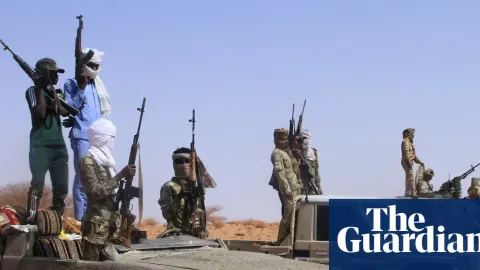
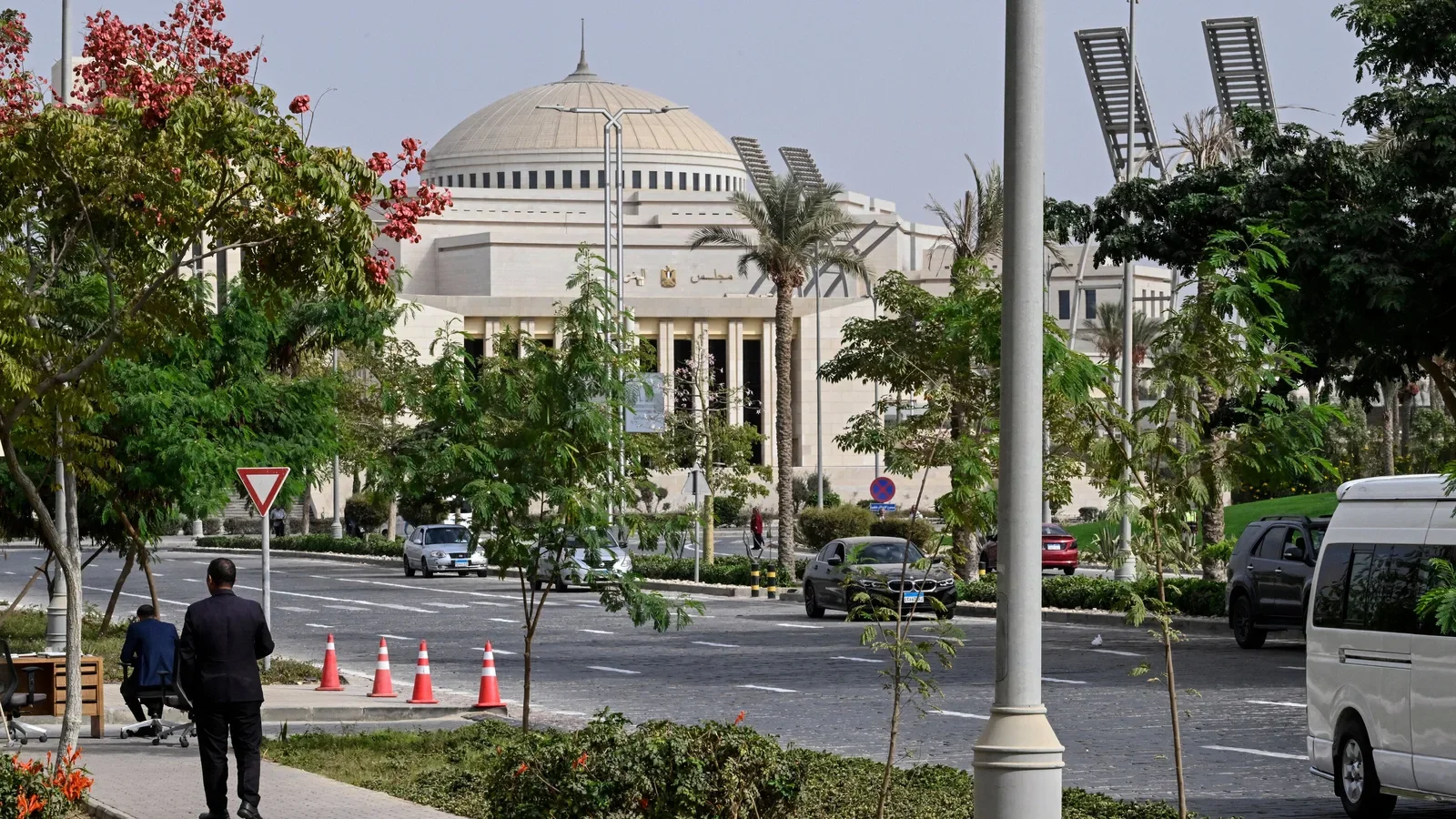
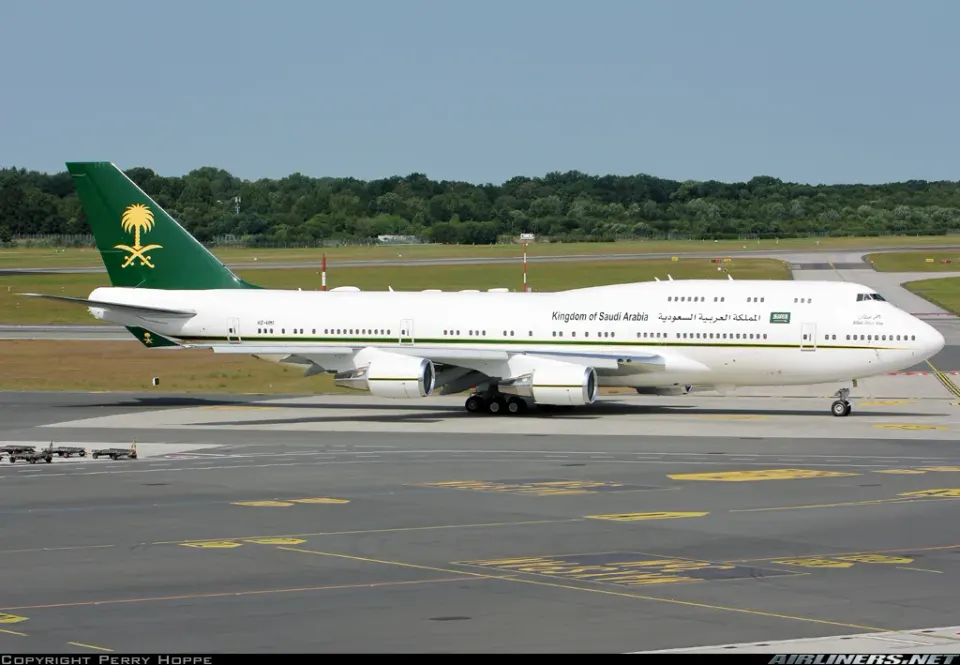
In a significant geopolitical pivot, Egypt has officially authorized the deployment of military aid to Saudi Arabia to assist in the kingdom's ongoing struggle against the Iranian-backed Houthi militia in Yemen. According to officials, the Egyptian commitment is framed as being for "defensive purposes only," yet it represents a major hardening of the regional coalition against Tehran's proxies. This move comes as the exchange of strikes between Riyadh and the Houthis has become increasingly lethal, threatening to spill over into broader Red Sea shipping lanes and further destabilize the already fragile regional security architecture.
For the Iranian economy, this escalation carries immediate psychological and financial consequences. As regional powers align more explicitly against Iranian-backed groups, the market's perception of risk increases. In Tehran, the US Dollar has responded by edging upward, moving from 269,500 to 270,500 Toman, a 0.4% increase within the last 24 hours. This shift reflects a growing concern among traders that diplomatic avenues are narrowing, replaced by military positioning that could lead to further sanctions or direct confrontation.
The $39 Billion Energy Surcharge
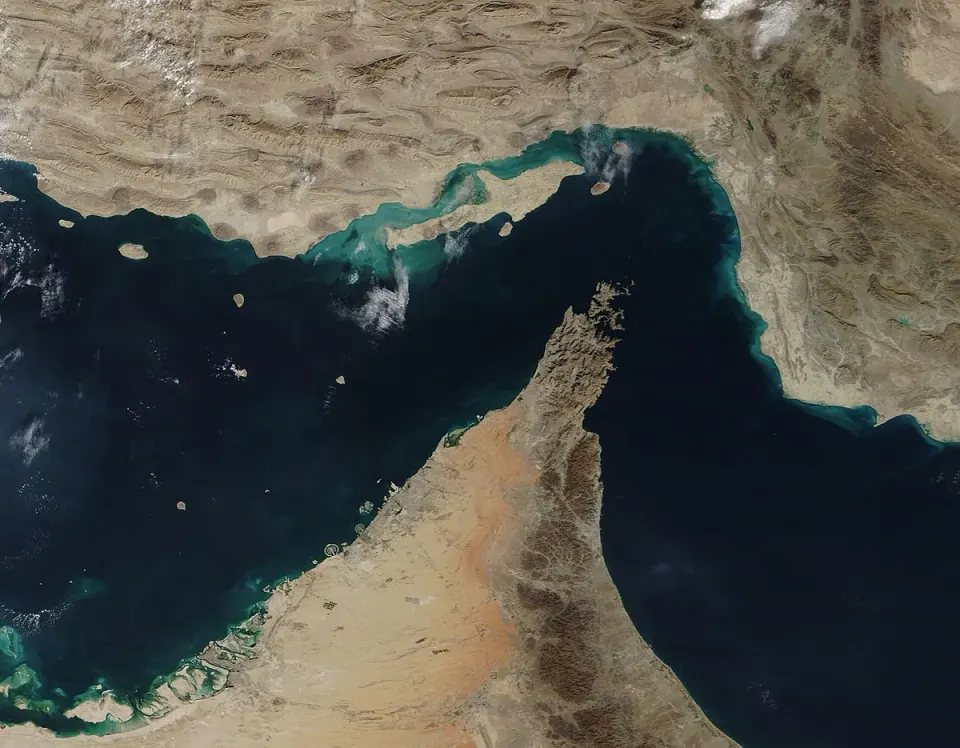
The ongoing instability involving Iran and its regional neighbors has now been quantified by energy analysts. Rystad Energy reports that global LNG importers are expected to pay an additional $39 billion in 2026 due to disruptions in the Middle East, specifically surrounding the Strait of Hormuz. Despite purchasing over 60 million tonnes less than in previous years, countries are being forced into the expensive spot market to replace volumes that used to flow steadily from Qatar and the UAE. The risk premium associated with the Strait—a chokepoint Iran has frequently used as a leverage tool—is now a permanent fixture in global energy pricing.
This "war tax" on energy is a double-edged sword for Tehran. While higher global prices theoretically benefit oil-producing nations, the disruption to regional shipping and the increased cost of imports for Iran's remaining trade partners create a net negative for the domestic economy. The local gold market has already begun to price in this persistent instability; 18k gold rose from 26,063,068 to 26,358,557 Toman per gram, a 1.1% jump today. With the global gold ounce hovering at a historic $4,016.70, the flight to safe-haven assets in Iran is accelerating as energy security fears mount.
SpaceX’s $40 Billion AI Infrastructure Bet
While the Middle East remains focused on kinetic conflict, the global technological landscape is being reshaped by massive capital deployments in artificial intelligence. SpaceX has reportedly locked in a $40 billion financing deal with Apollo to fund the acquisition of GPUs and the construction of specialized data centers. This deal, described as the largest committed GPU financing in history, highlights the sheer scale of the infrastructure required to maintain a lead in the AI race. It suggests that the next phase of tech dominance will be determined not just by software, but by the physical ownership of massive computing power.
This movement of capital into hard tech assets stands in stark contrast to the volatility seen in the cryptocurrency markets. Bitcoin remains relatively stable at $80,167, but the real momentum is shifting toward companies that can bridge the gap between space-based telecommunications and terrestrial AI processing. For Iranian observers, this underscores the widening technological gap; while the Iranian leadership emphasizes "scientific might" in domestic rhetoric, the global standard for such might is now being set by private entities with financing packages that exceed the entire annual budgets of mid-sized nations.

Domestic Realities: Strikes and Scientific Rhetoric
On the domestic front, the Iranian government continues to project an image of internal strength and scientific progress. State media reported that the Leader of the Islamic Revolution, in a message to scientific elites, characterized a "strong Iran" as one founded upon technological achievement. However, this narrative often clashes with the economic reality on the ground, where inflation remains high and the national currency continues its slow depreciation. The gap between the state's vision of a technological powerhouse and the public's struggle with the 270,000 Toman dollar remains a central tension in Iranian society.
Meanwhile, international labor trends are showing similar stresses in developed economies, albeit for different reasons. In the UK, NHS consultants have announced a two-day strike for November over pay disputes, a reminder that even the world's most established systems are facing structural crises. For the Iranian reader, these global stories of labor unrest and economic realignment serve as a backdrop to their own local market shifts, where the Emami coin rose 0.6% today to reach 268,500,000 Toman, reflecting a universal desire for financial protection in an era of global and local uncertainty.
Frequently Asked Questions
چرا ورود نظامی مصر به نبرد با حوثیها اهمیت دارد؟
دلیل افزایش ۳۹ میلیارد دلاری هزینه گاز جهانی چیست؟
سرمایهگذاری ۴۰ میلیارد دلاری اسپیسایکس چه تاثیری بر بازار دارد؟
The Geopolitical Significance of Maritime Chokepoints: The Strait of Hormuz and Global Energy Security
Maritime chokepoints are narrow sea passages that are strategically vital for global trade, particularly for the transit of energy resources like oil and liquefied natural gas (LNG). Their significance stems from the sheer volume of goods and commodities that must pass through them, making them indispensable arteries of the global economy. Any disruption, threat, or closure of these chokepoints can have immediate and far-reaching consequences, impacting supply chains, commodity prices, and international relations.
Among these critical passages, the Strait of Hormuz stands out as perhaps the most important. Located between the Persian Gulf and the Gulf of Oman, it is the world's most crucial oil transit chokepoint. Approximately one-fifth of the world's total petroleum liquids consumption and about one-third of the world's LNG trade passes through this narrow strait daily. Countries like Saudi Arabia, Iran, Iraq, Kuwait, Qatar, and the UAE rely heavily on it for their energy exports, making it a linchpin for global energy supply.
Regional conflicts and geopolitical instability pose significant threats to the security of these chokepoints. While the Houthi conflict primarily impacts shipping in the Red Sea and Bab el-Mandeb, it contributes to a broader climate of insecurity in the Middle East's maritime corridors. The mere threat of disruption to a chokepoint like the Strait of Hormuz, whether from direct military action, piracy, or political tensions, can trigger a rapid escalation in global energy prices as markets react to potential supply shortages and increased shipping risks.
Such threats translate directly into economic costs. For instance, the headline's mention of a $39 billion surge in global LNG costs amidst Hormuz disruptions highlights how market uncertainty drives up prices. Shipping companies face higher insurance premiums, and some may opt for longer, more expensive routes to avoid perceived risks, further increasing transit costs and delivery times. These additional expenses are ultimately passed on to consumers, impacting industries and households worldwide.
Understanding the geopolitical significance of maritime chokepoints is crucial for comprehending global energy security and international relations. These narrow passages are not just geographical features; they are critical pressure points where regional stability, economic interests, and global power dynamics converge. Safeguarding their free and secure passage remains a paramount concern for major economies and a constant challenge in an increasingly interconnected and volatile world.
Topics
Related Articles