Oman Challenges US 'Iran Threat' Narrative as Netanyahu Stokes Nuclear Fears Near Tehran Market Peak
چالش دیپلماتیک عمان علیه روایت «تهدید ایران»؛ لفاظیهای هستهای نتانیاهو و رکوردشکنی طلا در تهران
Oman’s Foreign Minister has issued a historic challenge to the US-led security architecture, calling for a regional pact that includes Iran. As Benjamin Netanyahu ramps up nuclear rhetoric ahead of elections, Tehran's gold and currency markets are reacting with significant upward shifts.
At time of publishing
USD
270,500
Toman
Gold 18K
26.36M
Toman / gram
Bitcoin
$79,935
US Dollar
Tether
270,263
Toman
Oman Breaks Ranks: A New Security Paradigm for the Gulf
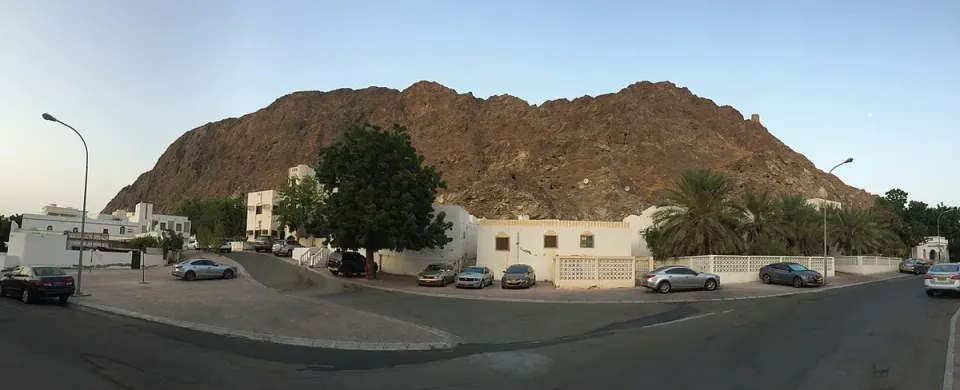
In a significant departure from decades of diplomatic alignment, Omani Foreign Minister Badr Albusaidi has publicly criticized the United States' long-standing policy of framing Iran as the primary security threat in the Middle East. Speaking on Monday, Albusaidi argued that the region's ability to resolve its own internal conflicts has been systematically hindered by Washington’s 50-year insistence on this adversarial narrative. The Omani top diplomat called for a transition toward a collective non-aggression security pact that would include all six Gulf states, Iraq, and Iran, effectively suggesting that the US should no longer serve as the primary provider of regional security.
This shift in rhetoric from Muscat, traditionally a neutral mediator, signals a growing frustration among regional powers with the status quo. For Iranian readers, this development is crucial as it suggests a potential path toward sanctions relief and normalized trade if a regional framework can bypass the rigid constraints of US-led containment. However, the realization of such a pact remains a distant prospect, given the deep-seated mistrust between regional rivals and the heavy military footprint the US maintains in the Persian Gulf. Nevertheless, the statement itself acts as a diplomatic shield for Tehran, providing a narrative that shifts the blame for regional instability back onto Western interventionism.
---
Netanyahu’s AI-Generated Escalation and the Tehran Market Response
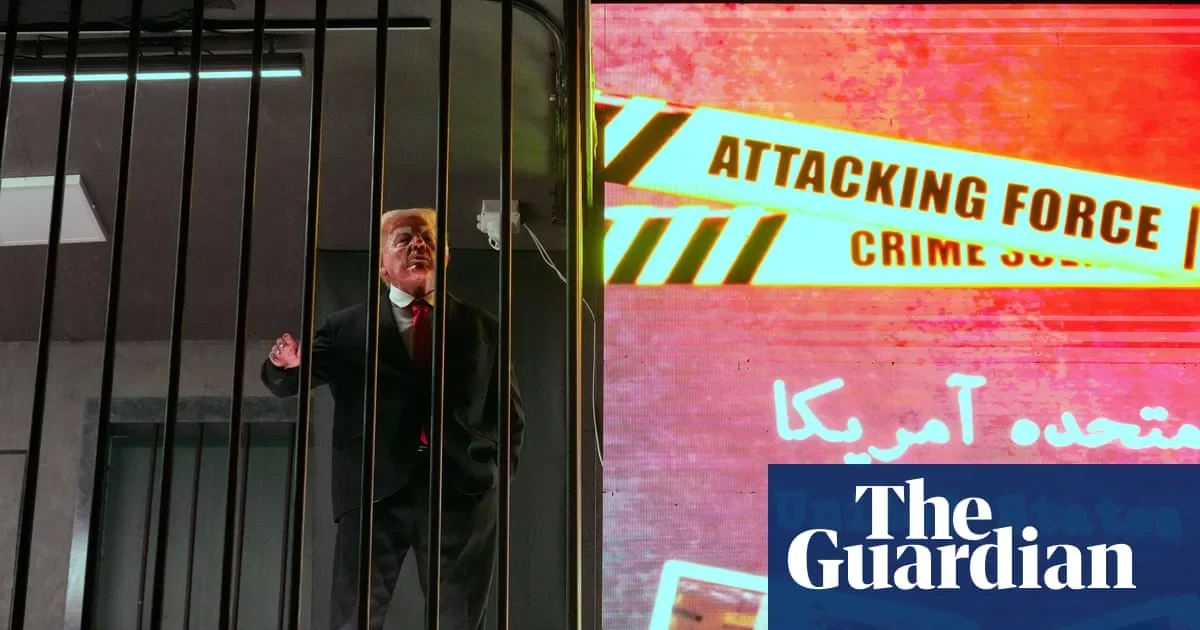
As Israel approaches a critical election, Prime Minister Benjamin Netanyahu has resorted to what analysts describe as alarmist psychological warfare. Reports indicate that Netanyahu has pressured the Israeli military to take direct action against Iran to bolster his standing in the polls, where his far-right coalition is currently trailing. Most controversially, Netanyahu’s campaign released an AI-generated image of a nuclear mushroom cloud over Tel Aviv, presenting a binary choice to voters: re-elect him or face nuclear annihilation. This escalation is not just political theater; it has immediate economic consequences for the Iranian public.
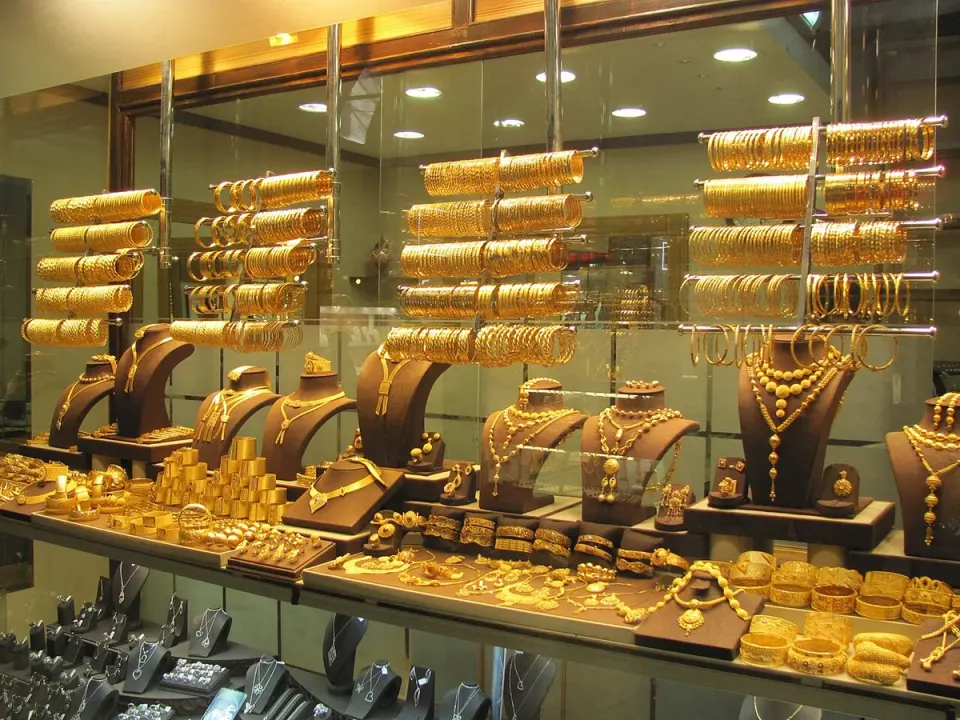
In Tehran, the markets have reacted to these heightened tensions with a clear move toward safe-haven assets. On Monday, October 26, 2026 (4 Aban 1405), the price of 18k gold rose from 26,063,068 to 26,358,557 Toman, a sharp 1.1% increase within 24 hours. The US Dollar also saw upward pressure, moving from 269,500 to 270,500 Toman (+0.4%). These movements reflect a "risk-off" sentiment among Iranian investors who fear that Netanyahu’s desperation could lead to a localized military flare-up, despite the broader diplomatic efforts led by Oman. The Emami coin similarly tracked this trend, rising 0.6% to reach 268,500,000 Toman, signaling that the domestic market is pricing in a higher probability of regional friction.
---
Global Fragmentation: From Trump’s Legal Battles to Europe’s Industrial Crisis
While the Middle East grapples with security narratives, the West is facing its own internal fractures that indirectly impact global market stability. In the United States, a federal judge ruled that the Trump administration illegally fired Maurene Comey, the daughter of former FBI Director James Comey, from her position as a federal prosecutor. This ruling underscores the ongoing legal and political volatility surrounding the former president, whose potential return to power remains a primary driver of uncertainty in international trade and sanctions policy. For Iran, the prospect of a second Trump term—and the legal chaos accompanying it—suggests a return to maximum pressure, keeping the USD/IRR exchange rate highly sensitive to every legal development in Washington.
Simultaneously, the European Union is entering a period of protectionist retrenchment. Brussels is reportedly preparing new restrictions on Chinese imports, including machinery and chemicals, as the continent’s industrial crisis deepens. This move is a desperate attempt to curb the rise of right-wing parties that have gained momentum by criticizing globalist trade policies. As Europe turns inward to protect its industrial base, its capacity to act as a significant diplomatic or economic counterweight to US policy on Iran diminishes. This fragmentation of the global order creates a vacuum that regional powers like Oman and Iran are increasingly attempting to fill with their own localized security and trade initiatives.
Frequently Asked Questions
چرا اظهارات وزیر خارجه عمان درباره ایران اهمیت دارد؟
دلیل رشد ۱.۱ درصدی قیمت طلا در بازار تهران چه بود؟
حکم دادگاه علیه ترامپ در پرونده دختر جیمز کومی چه تاثیری بر بازار دارد؟
Why Gold Shines as a Safe‑Haven Asset During Middle‑East Tensions
Safe‑haven assets are investments that tend to retain or increase their value when markets are shaken by political or economic turmoil. Gold has been the archetype of a safe haven for centuries because it is globally recognised, cannot be printed by any government, and its supply grows only slowly through mining. When investors fear war, sanctions, or sudden policy shifts, they often flee riskier assets like equities or emerging‑market currencies and pile into gold, driving its price upward.
The current flare‑up over Iran’s nuclear programme, amplified by statements from leaders such as Netanyahu and the diplomatic maneuvering of Oman, creates exactly the kind of uncertainty that fuels gold buying. In Tehran, the USD/IRR exchange rate has been sliding, meaning that each dollar now buys fewer rials. Because gold is priced in dollars, a weakening rial makes gold cheaper in local currency terms, prompting Iranian traders and households to convert their savings into the metal as a hedge against inflation and possible capital controls.
Two market mechanisms reinforce this effect. First, gold’s price moves inversely to the U.S. dollar: when the dollar weakens, gold becomes more attractive to holders of other currencies. Second, sanctions that restrict access to foreign exchange or traditional banking channels push investors toward tangible assets that can be stored physically. The result is a feedback loop—geopolitical risk depresses the rial, the rial’s fall raises the local‑currency price of gold, and the higher gold price attracts even more buyers.
While gold can be a powerful shelter, it is not without risks. Prices can swing sharply on short‑term news, storage costs can erode returns, and government policies—such as bans on gold imports or export restrictions—can limit liquidity. Savvy investors therefore monitor both geopolitical developments (e.g., any new Oman‑Iran security pact) and macro‑economic indicators (inflation, dollar strength) to gauge when gold’s safe‑haven premium is likely to expand.
Topics
Related Articles