Tehran’s Power Move: A New Regional Alliance Emerges Amid Israel’s Pivotal Election
آرایش جدید قدرت در تهران؛ نشست چهارجانبه امنیتی و سایه انتخابات سرنوشتساز اسرائیل بر منطقه
A high-stakes quadrilateral meeting in Tehran signals a shift in regional security, while Israel heads to its most consequential polls yet. Meanwhile, China's AI-led market crash wipes out trillions, setting a volatile tone for global investors.
At time of publishing
USD
270,500
Toman
Gold 18K
26.48M
Toman / gram
Bitcoin
$79,891
US Dollar
Tether
270,241
Toman
Market Open — Stability in Forex, Shimmers in Gold
As of this morning, Tuesday, October 27, 2026, the Tehran market opened with a notable sense of caution. The US Dollar (USD) remains flat at 270,500 Toman, showing a 0.0% change over the last 24 hours. This stagnation suggests that traders are in a 'wait-and-see' mode, likely digesting the significant diplomatic movements occurring within the capital. While the currency holds its breath, Gold 18k has seen a modest uptick, rising 0.5% to reach 26,478,600 Toman per gram. This slight bullishness in gold reflects a global hedge against geopolitical uncertainty, even as the domestic currency remains pegged to psychological resistance levels.
In the digital asset space, Bitcoin continues to flirt with the $80,000 milestone, currently trading at $79,891. The crypto market’s resilience is providing a secondary outlet for Iranian investors looking to diversify away from local volatility. However, the primary focus for the day remains on the diplomatic corridors of Tehran, where the regional map is being redrawn in real-time. The lack of movement in the USD/IRR pair despite these headlines indicates that the market has already priced in a certain level of geopolitical tension, but is not yet ready to commit to a breakout in either direction.
A Quadrilateral Shift: Tehran Hosts a New Security Bloc
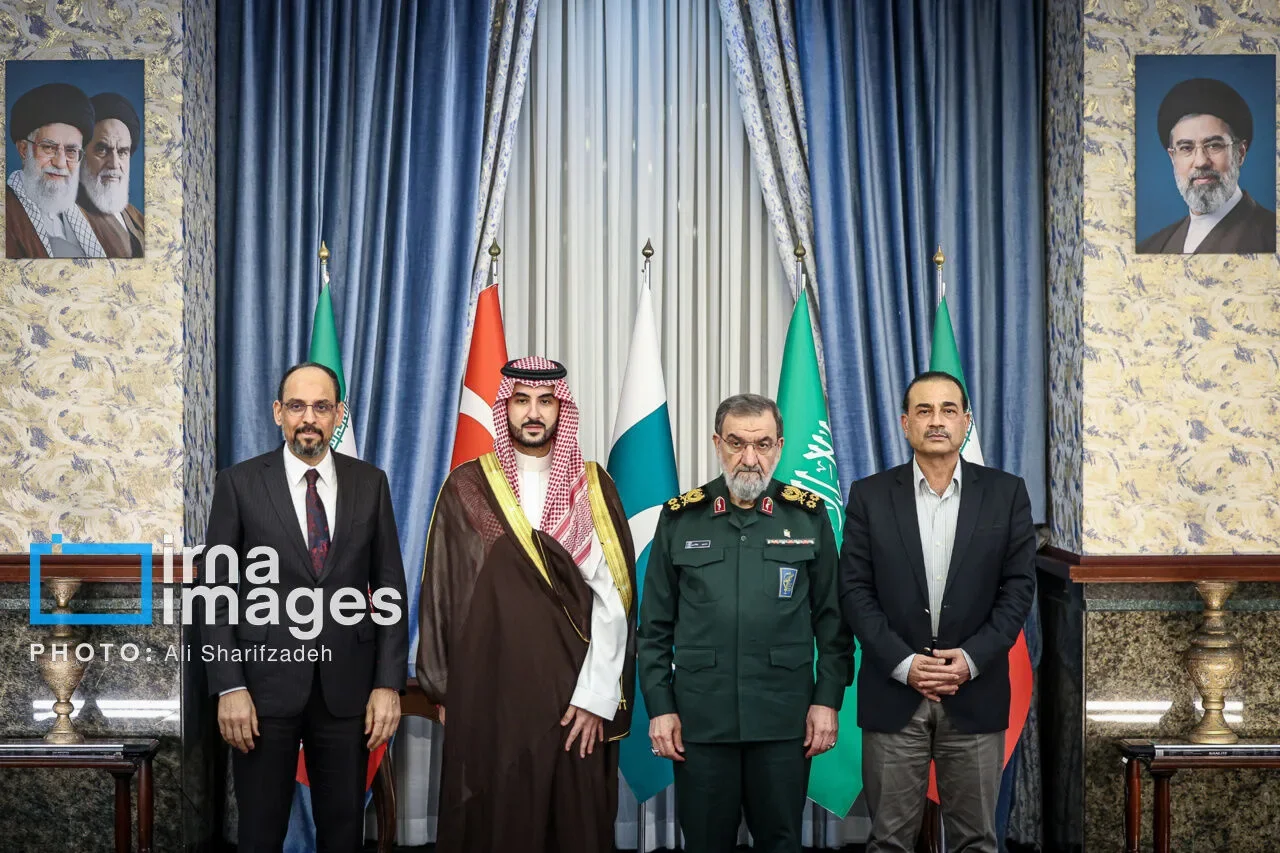
In a move that has caught the attention of global analysts, Tehran hosted a high-level quadrilateral meeting on Monday involving senior officials from Iran, Saudi Arabia, Turkey, and Pakistan. The presence of Khalid bin Salman, the Saudi Minister of Defense, alongside Pakistan’s Army Chief Asim Munir and Turkey’s intelligence head Ibrahim Kalin, marks a significant departure from the traditional US-led security architecture in the Middle East. Ali Bagheri Kani, a top Iranian security official, characterized the meeting as a testament to Iran’s 'military prowess' and regional standing, suggesting that the era of excluding Tehran from regional security frameworks is effectively over.
This meeting is not just about optics; it represents a pragmatic alignment of regional heavyweights who are increasingly wary of external interference and the volatility of Western foreign policy. Oman’s Foreign Minister recently reinforced this sentiment, stating that any security framework in the Persian Gulf that excludes Iran is inherently unstable. For the Iranian reader, this diplomatic thaw with Riyadh and closer coordination with Ankara and Islamabad could eventually lead to eased trade barriers and a more stable environment for the Rial, though the immediate impact remains limited to the political sphere. The focus on 'regional stability' is a clear signal to Washington and Tel Aviv that the neighbors are looking to manage their own backyard.
Israel at the Polls: Security, Democracy, and the Iran Factor
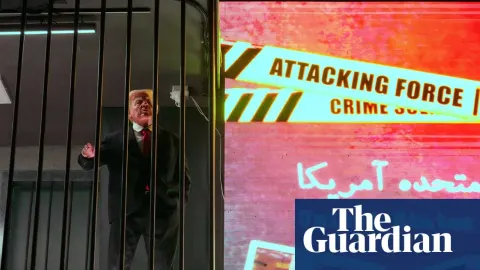
While Tehran builds bridges, Israel is heading to what many describe as the most consequential election in its history. Polls opened this morning amidst deep national polarization, with Prime Minister Benjamin Netanyahu’s coalition fighting to maintain its majority. The stakes for Iran are direct: reports have surfaced that Netanyahu recently pushed for a direct attack on Iranian interests ahead of the vote, a move that was reportedly resisted by his own military chiefs. This internal friction highlights the 'security vs. diplomacy' debate currently raging within the Israeli establishment.
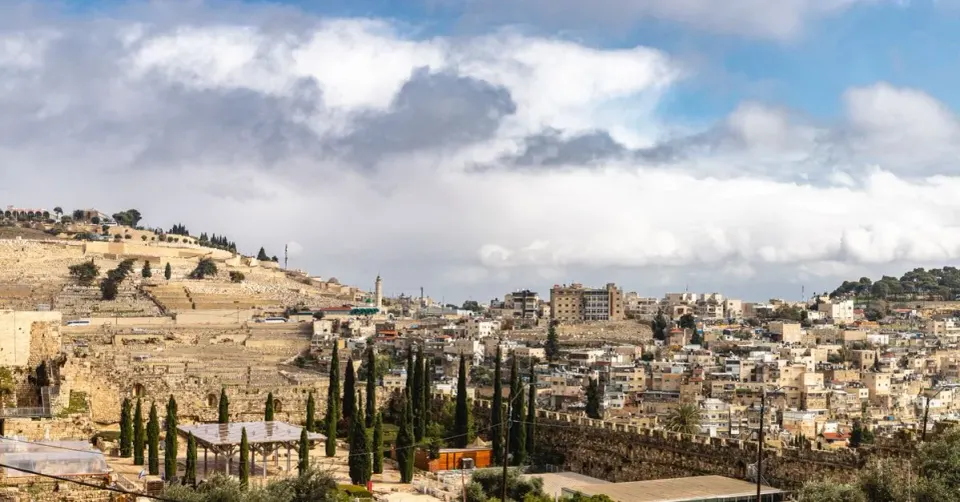
The outcome of this election will dictate the trajectory of regional tensions for years to come. A hard-right victory could accelerate the path toward direct confrontation, while an opposition win led by figures like Gadi Eisenkot might favor a more calculated, perhaps US-aligned, approach to the 'Iran problem.' For Iranian markets, the threat of an 'overt strike'—even if resisted for now—keeps the risk premium high. Investors are closely watching the results, as any shift in Israeli leadership will immediately reverberate through oil prices and the perceived safety of Iranian assets.
China’s AI Bubble Bursts: Trillions Wiped from Tech Markets
Beyond the Middle East, a financial storm is brewing in East Asia. Chinese markets have lost trillions of dollars in recent months as the initial euphoria over Artificial Intelligence (AI) faces a harsh reality check. The STAR 50 Index, China’s answer to the Nasdaq, has plunged 40% since June. This massive sell-off is driven by a combination of disappointing profit margins and the tightening grip of US-led sanctions on high-end chips. Beijing is now forcing its domestic giants like PetroChina and Sinopec to pivot toward domestic energy security as Iranian oil supplies face increasing logistical and political pressure.
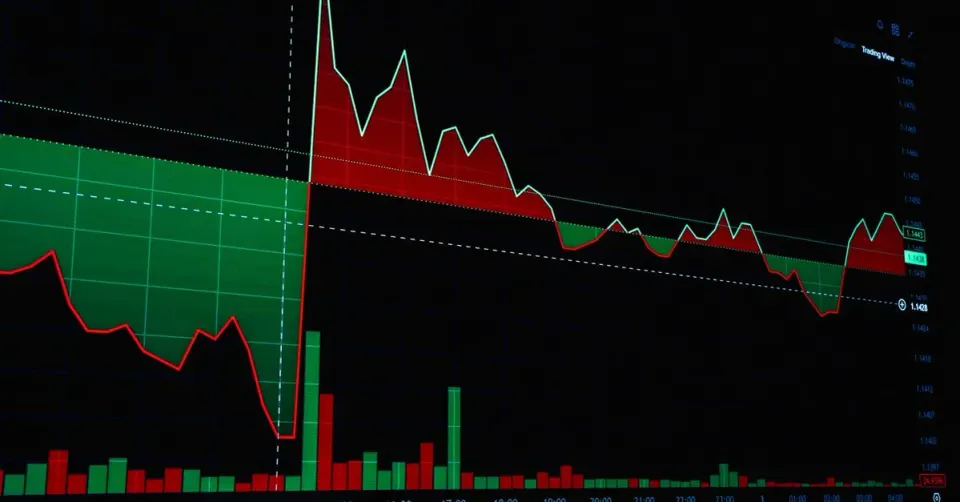
This market carnage in China is a cautionary tale for global investors. It proves that even the most promising technologies cannot escape the gravity of geopolitical competition. As Beijing races for AI supremacy against the US, the 'sustainability' of its tech boom is being called into question. For Iran, a weakened Chinese economy or a shift in its energy procurement strategy could mean a less reliable partner for oil exports. With Brent crude hovering near $100 and China pushing for domestic production, the economic ties that have sustained Iran through years of sanctions are facing their most rigorous test yet.
Frequently Asked Questions
چرا قیمت دلار با وجود اخبار مهم سیاسی ثابت مانده است؟
نشست ایران، عربستان، ترکیه و پاکستان چه اهمیتی برای اقتصاد دارد؟
سقوط بورس چین چه ارتباطی به ایران دارد؟
Gold as a Hedge in Sanctioned Economies: Why Iran Turns to Precious Metals
In a world where international sanctions can cripple a country's ability to trade in hard currency, gold often re‑emerges as a strategic reserve. Unlike the US dollar or the euro, gold cannot be frozen by foreign banks, and it retains intrinsic value even when a nation’s financial system is under pressure. For Iran, which has faced multiple rounds of sanctions targeting its oil exports and banking sector, building up gold holdings has become a way to preserve wealth and maintain a limited degree of monetary independence.
The mechanics are straightforward: when the official exchange rate between the Iranian rial (IRR) and the US dollar diverges sharply from the market rate, the government may import gold, sell it domestically at a premium, and use the proceeds to subsidise essential imports or to support the rial. This practice also helps to anchor public confidence, as citizens see a tangible asset backing the currency. However, the reliance on gold can create volatility in the domestic gold market, driving prices higher than the global spot price and prompting smuggling or black‑market activity.
Gold’s role is further amplified by regional dynamics. As Saudi‑Iran relations fluctuate and broader Middle‑East security frameworks evolve, both countries seek assets that can be mobilised quickly in times of crisis. Gold, being universally recognised and easily transportable, fits this need. Moreover, the price of gold often rises during geopolitical uncertainty, providing Iran with a natural hedge against the fallout from events such as Israel’s upcoming elections or shifts in the China AI market that could affect global risk sentiment.
While gold offers a buffer, it is not a panacea. Sanctions can still restrict Iran’s ability to purchase gold internationally, and the country must balance the cost of acquiring the metal against the benefits of a more stable exchange rate. Over‑reliance on gold can also divert resources from productive investment, potentially hampering long‑term economic growth. Nonetheless, for a nation navigating a complex web of sanctions, regional rivalries, and volatile markets, gold remains a crucial component of its financial toolkit.
Topics
Related Articles