UK Budget Pivot & Israel Election Deadlock: Gold Climbs to 26.4M Toman Amid Global Inflation Fears
چرخش در بودجه بریتانیا و بنبست انتخابات اسرائیل؛ طلا در بازار تهران به کانال ۲۶.۴ میلیون تومان رسید
Chancellor John Healey reverses controversial investment tax cuts in the UK’s first budget, while Israel remains in political limbo following a deadlocked election. Meanwhile, gold prices in Iran surged 1.1% today as global inflation concerns and a Hormuz oil spill heighten regional risk premiums.
At time of publishing
USD
269,700
Toman
Gold 18K
26.44M
Toman / gram
Bitcoin
$81,425
US Dollar
Tether
269,755
Toman
The UK’s Pro-Investment Pivot: Healey Reverses ISA Cuts
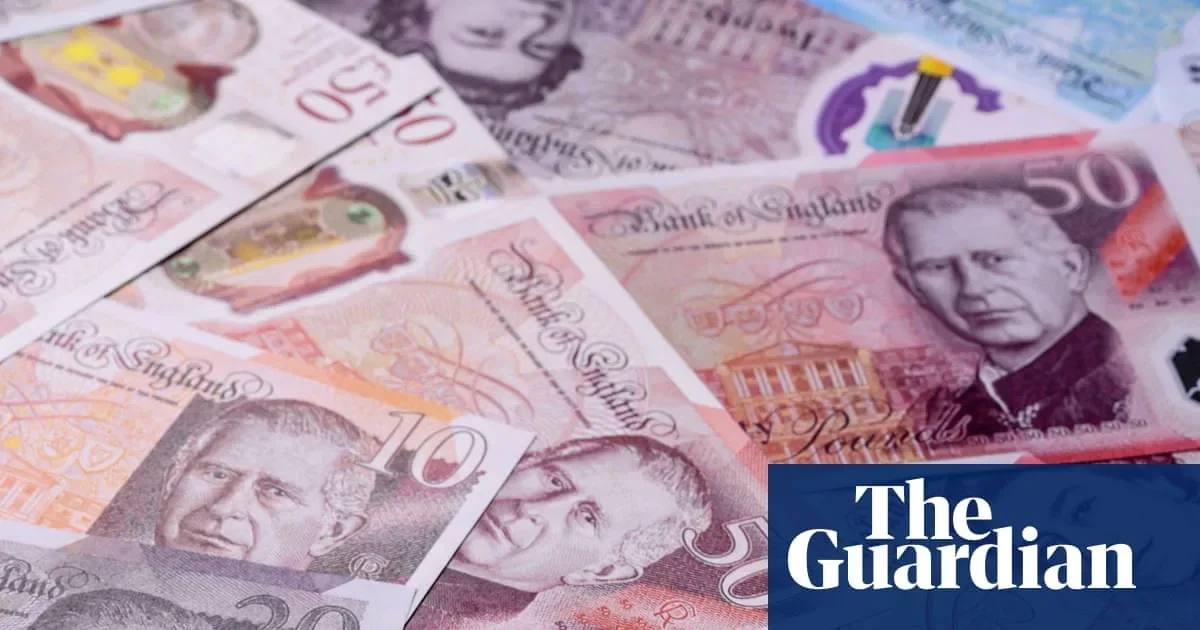
In a significant move to bolster market confidence, UK Chancellor John Healey is poised to overturn a controversial plan by his predecessor to slash the annual cash ISA (Individual Savings Account) allowance. The original plan aimed to reduce the tax-free savings limit from £20,000 to £12,000, a move that critics argued would penalize savers and stifle domestic investment. By maintaining the higher threshold, the new government is signaling a shift toward 'carrot' rather than 'stick' economics, encouraging citizens to keep capital within the UK financial system.
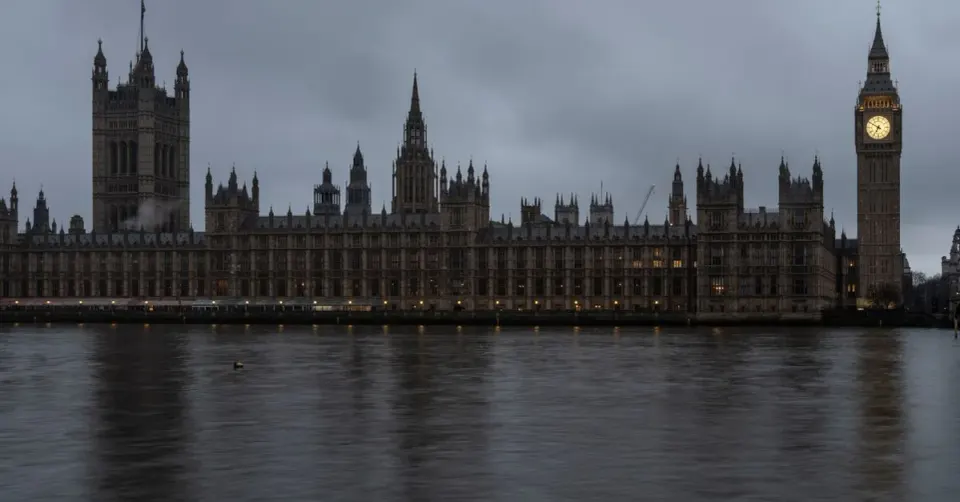
This policy reversal is more than just a domestic British affair; it reflects a broader global trend where governments are forced to choose between aggressive taxation and maintaining liquidity. For global markets, this move has provided a localized boost to sentiment, suggesting that the new administration in London is wary of triggering capital flight. As the UK prepares to deliver its full 2026 budget, investors are watching closely to see if this pragmatism extends to corporate taxes and energy levies, which could dictate the Pound's strength against the Dollar in the coming weeks.
Israel’s Election Deadlock and the Geopolitical Risk Premium
Israel is once again facing a period of intense political uncertainty as early results from the latest election show no clear path to a majority for either Prime Minister Benjamin Netanyahu or his primary challenger, Gadi Eisenkot. While both leaders have struck tones of triumph in their midnight addresses, the reality on the ground is a deeply divided Knesset. A historic showing by Arab-led parties has further complicated the coalition-building process, as traditional kingmakers find themselves with fewer options to form a stable government.
For the Middle East, this deadlock means a continuation of the 'status quo of instability.' Markets generally despise uncertainty, and in the absence of a clear governing mandate, the risk of erratic policy shifts or renewed regional friction remains high. This geopolitical fog is directly contributing to the resilience of gold prices. In Tehran, Gold 18k rose from 26,160,025 to 26,443,972 Toman (+1.1%) in the last 24 hours, reflecting a flight to safety as traders hedge against the possibility of a prolonged leadership vacuum in Tel Aviv and its potential impact on regional security.

Inflation Warnings and the Fed’s Pre-Election Pause
As the US Federal Reserve prepares for its final interest rate decision before the midterm elections, the narrative of 'transitory' inflation has been replaced by a much grimmer reality. The Fed is widely expected to hold rates steady, following a controversial hike last month that drew the ire of political figures across the spectrum. However, analysts like Dennis DeBusschere of 22V Research are warning that the end of tariff refunds and shifting trade policies are creating a new floor for consumer prices. Companies that previously absorbed costs through tax loopholes are now passing those expenses directly to the public.
This sticky inflation is keeping the US Dollar relatively stable but preventing any significant rally in riskier assets. In the Iranian market, the USD sell rate remained nearly flat at 269,700 Toman, but the underlying pressure is visible in the gold and coin markets. Emami coins rose 0.6% to reach 268,000,000 Toman today. With US midterm elections looming, the intersection of political rhetoric and monetary policy is creating a volatile environment where any sign of a 'hawkish' Fed could send the Dollar higher, further straining emerging market currencies.
Regional Alert: Hormuz Oil Spill and Shipping Risks
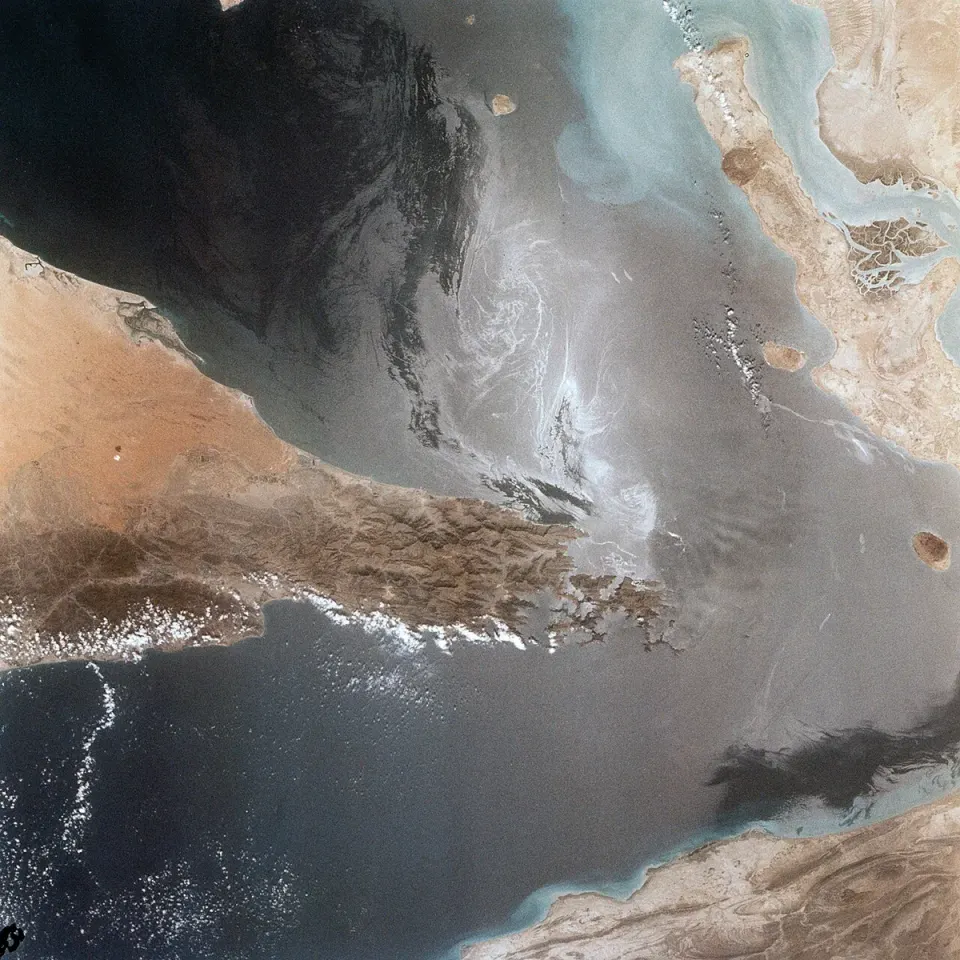
Adding to the regional tension, an oil spill from a damaged tanker in the Strait of Hormuz has forced the closure of several beaches in the UAE. While the environmental impact is the immediate concern, the incident serves as a stark reminder of the fragility of the world’s most important energy chokepoint. Any disruption in the Strait—whether accidental or intentional—immediately impacts global energy sentiment. Although oil prices have not yet seen a massive spike from this specific event, the logistical hurdles for tankers in the area add to the 'risk premium' currently baked into regional trade.
For the Iranian economy, these micro-disruptions often manifest as speculative heat in the currency and gold markets. While the government claims readiness to assist in global environmental treaties regarding plastic and pollution, the immediate focus for traders remains on the physical security of the Gulf. As long as the combination of political deadlock in Israel and technical risks in the Persian Gulf persists, the local demand for hard assets like gold and stablecoins like Tether (currently at 269,755 Toman) is expected to remain robust.
Frequently Asked Questions
Why did gold prices rise in Iran today despite a stable Dollar?
What was the major change in the UK 2026 budget?
How is the US Federal Reserve affecting the Toman market?
Gold as a Safe-Haven Asset and Inflation Hedge
Gold has long been revered not just for its aesthetic appeal but also for its intrinsic value as a financial asset, particularly during times of economic turbulence and geopolitical instability. It is often referred to as a "safe-haven asset," meaning investors flock to it when they perceive higher risks in traditional investments like stocks and bonds. This flight to safety is driven by gold's historical ability to retain value when other assets falter, offering a sense of security amidst uncertainty.
One of gold's most significant roles is its function as a hedge against inflation. Inflation erodes the purchasing power of fiat currencies over time, meaning a dollar today buys less tomorrow. Unlike paper money, gold's supply is finite and cannot be arbitrarily increased by central banks. Consequently, when the cost of living rises and currencies weaken, gold tends to maintain or even increase its value, preserving wealth. This makes it an attractive store of value for investors looking to protect their assets from inflationary pressures.
Beyond inflation, gold also acts as a hedge against broader economic and geopolitical uncertainties, such as political deadlocks, trade wars, or regional conflicts. These events can trigger market volatility and devalue national currencies. In such scenarios, gold's universal acceptance and lack of reliance on any single government or financial institution make it a reliable asset. It carries no credit risk, unlike bonds, and its value is not tied to the performance of a specific company, unlike stocks.
The price of gold is influenced by a complex interplay of factors, including global demand and supply, interest rate expectations, and the strength of major currencies like the US dollar. When real interest rates (interest rates minus inflation) are low or negative, holding gold becomes more appealing as the opportunity cost of not earning interest on other assets diminishes. Conversely, a stronger dollar can make gold more expensive for holders of other currencies, potentially dampening demand.
Ultimately, gold's enduring appeal as a safe-haven and inflation hedge stems from its unique properties: scarcity, durability, divisibility, and universal acceptance. For millennia, it has served as a reliable store of wealth, and its role continues to be relevant in today's unpredictable global economic landscape, offering a tangible asset in an increasingly digital and volatile world.
Topics
Related Articles