Russell Brand Testifies in High-Stakes Trial as Iran Denies Kuwait Plot; Toman and Gold Edge Higher
شهادت جنجالی راسل برند در دادگاه و تکذیب اتهامات ترور توسط ایران؛ صعود دلار و طلا در بازار تهران
As entertainer Russell Brand provides emotional testimony in his London trial, regional tensions flare following an assassination plot allegation in Kuwait. Meanwhile, the Iranian Toman and gold prices continue their upward trend as Bitcoin stabilizes above $81,000.
At time of publishing
USD
270,400
Toman
Gold 18K
26.40M
Toman / gram
Bitcoin
$81,304
US Dollar
Tether
269,726
Toman
Russell Brand Faces Court in High-Profile Sexual Assault Trial
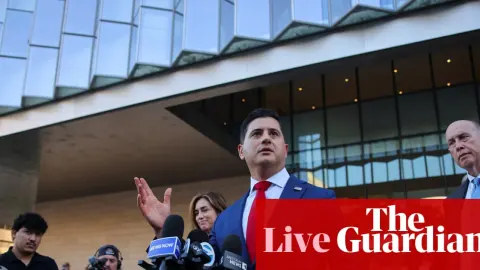
The entertainer and activist Russell Brand has begun giving evidence at Southwark Crown Court in London, addressing a series of serious allegations including rape and sexual assault. Brand, 51, told the court that the allegations brought against him have had a "devastating impact" on his life and career. The trial centers on multiple counts relating to incidents alleged to have occurred between 2004 and 2013, a period during which Brand was at the height of his mainstream fame. During his testimony, Brand addressed specific charges, including an allegation that he assaulted a woman in a bar in Soho in 2004, maintaining that his interactions were consensual and describing the atmosphere of the time as one of "mutual playfulness."
This trial is being closely watched not only for its celebrity focus but for what it represents in the broader cultural landscape of accountability. Brand has reinvented himself in recent years as an alternative media figure and critic of mainstream institutions, and his supporters often view the legal challenges through a lens of institutional pushback. However, the prosecution is focusing strictly on the testimonies of the victims, aiming to prove a pattern of behavior that crosses the line into criminal conduct. The outcome of this case will likely have significant implications for how high-profile sexual assault allegations are handled in the UK legal system, particularly when they involve historical claims from the peak of the "celebrity era."
Iran Denies Kuwaiti Assassination Plot Allegations Amid Regional Friction
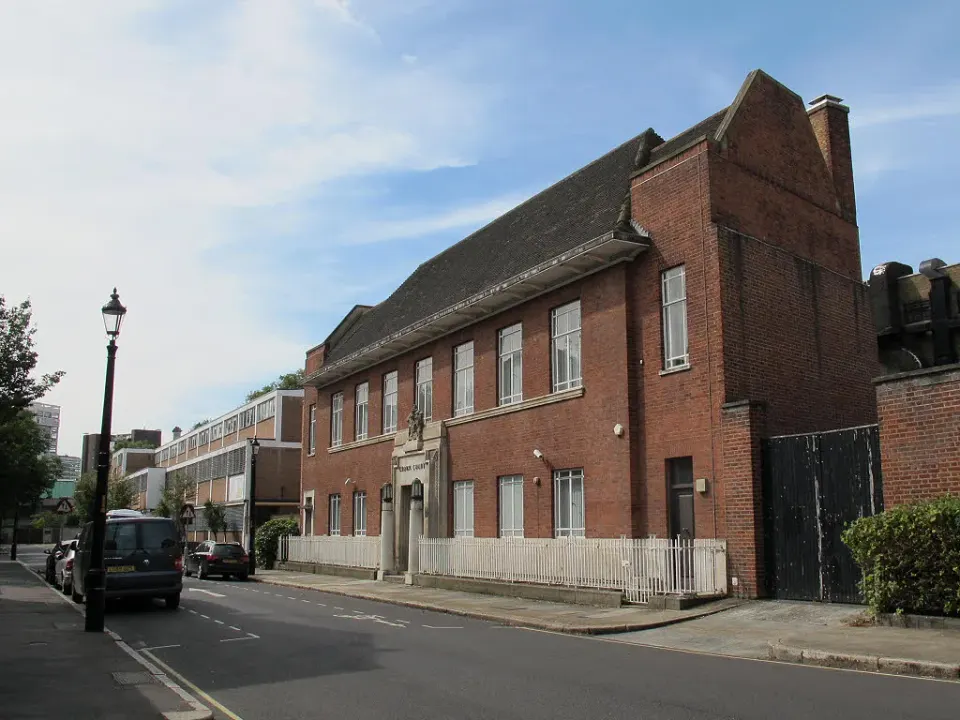
The Iranian embassy in Kuwait has issued a firm denial regarding allegations that an Iranian national was involved in a plot to assassinate public figures or threaten the national security of the Gulf state. According to reports from IRNA, the embassy claimed that the individual named in the allegations has not set foot in Kuwait for the past ten years, suggesting that the claims are baseless or politically motivated. This diplomatic friction comes at a sensitive time for the region, as neighboring countries remain wary of Iranian influence and the potential for spillover from broader Middle Eastern conflicts. The denial is an attempt by Tehran to de-escalate a situation that could lead to further diplomatic isolation or renewed sanctions pressure.
For the Iranian market, such headlines typically inject a "risk premium" into currency and gold prices. When diplomatic tensions rise with a neighboring Gulf state like Kuwait, it often signals potential trouble for regional trade and maritime security. Traders in Tehran have been monitoring these developments closely, as any perceived threat to regional stability can trigger a flight to hard assets. The 0.3% rise in the USD rate today, moving from 269,600 to 270,400 Toman, reflects this underlying anxiety, even as officials attempt to project a stance of innocence and cooperation.

Tragic Train Collision in Spain Leaves at Least 30 Dead
A catastrophic high-speed train crash near Toledo, Spain, has resulted in at least 30 fatalities and dozens of injuries. Officials reported that one passenger train rear-ended another on a high-speed line south of Madrid, causing several carriages to overturn and creating a scene of devastation. Emergency services were quickly deployed, setting up makeshift medical tents at the site to treat the hundreds of passengers who were on board. This incident is particularly shocking as it follows a similar crash involving the same carriers just months ago, raising serious questions about the safety protocols and automated signaling systems currently in use across Spain’s rail network.
The tragedy has sent shockwaves through the European transport sector and contributed to a somber mood in global markets. While not directly linked to financial assets like gold or crypto, major infrastructure failures in developed economies often prompt a temporary shift toward safe-haven assets as investors weigh the potential for broader systemic risks or government liability. In Spain, the political fallout is expected to be significant, with investigations already underway to determine whether the crash was the result of human error or a technical failure in the high-speed rail's safety infrastructure.
Domestic Markets: Gold and Toman Edge Higher as Bitcoin Holds $81K
In the Tehran markets this Wednesday, October 28, 2026 (6 Aban 1405), there is a visible upward trend in the price of hard assets. The US dollar sell rate increased from 269,600 to 270,400 Toman, a 0.3% rise that keeps the currency near its recent highs. Gold has seen even more significant movement; 18k gold rose from 26,160,025 to 26,397,802 Toman per gram, marking a 0.9% daily increase. The Emami coin followed suit, climbing from 266,500,000 to 268,000,000 Toman (+0.6%). These movements suggest that domestic investors are hedging against both regional uncertainty and global inflationary pressures, as gold remains the preferred store of value in the Iranian economy.
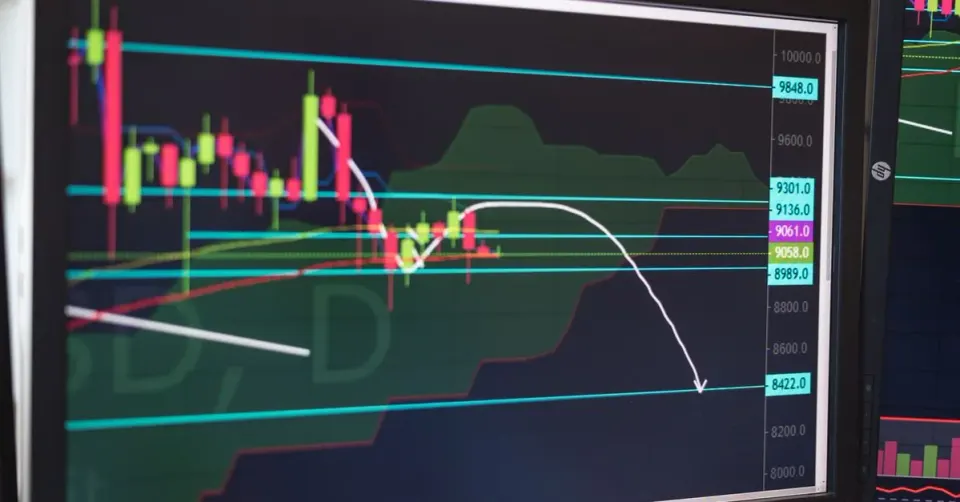
On the global front, Bitcoin is showing resilience, trading at $81,304 and maintaining its position above the critical $80,000 support level. Market analysts, including strategists from Morgan Stanley, suggest that the recent correction phase may be nearing its end, buoyed by a rebound in tech stocks and anticipation of upcoming corporate earnings. For Iranian crypto traders, the stability of Bitcoin at these historic levels provides a counterbalance to the volatility of the Toman. As long as the global "risk-on" sentiment persists, Bitcoin is expected to eye the $82,000 mark, provided that the upcoming Federal Reserve meeting does not deliver any hawkish surprises that could dampen liquidity.
Frequently Asked Questions
چرا اتهامات کویت بر قیمت دلار در تهران تأثیر گذاشته است؟
آیا بیتکوین میتواند به بالای ۸۲ هزار دلار برسد؟
دلیل اصلی افزایش قیمت طلا در بازار داخلی چیست؟
Understanding Currency Depreciation and Gold's Role in Iran's Economy
In economies facing significant challenges, a common phenomenon is the depreciation of the national currency. This is particularly evident in Iran, where the official currency, the Iranian Rial (IRR), has experienced substantial volatility and devaluation over the years. While the official currency is the Rial, Iranians commonly refer to and transact in 'Toman,' which is simply ten Rials. When headlines mention the Toman or the USD/IRR exchange rate, they are referring to the value of the national currency against the US dollar, a key indicator of economic health and purchasing power.
Currency depreciation occurs when the value of a country's currency falls relative to other currencies. In Iran's case, several factors contribute to this, including international sanctions, high inflation rates, economic instability, and government policies. These elements erode public trust in the currency's ability to retain its value, leading individuals and businesses to seek more stable alternatives. This often results in a 'flight to safety,' where people convert their local currency into assets perceived as more reliable.
One of the most prominent safe-haven assets in Iran, alongside foreign currencies like the US dollar, is gold. Gold has historically been regarded as a store of value, especially during times of economic uncertainty and high inflation. In Iran, this takes the form of physical gold, including gold coins like the 'Emami coin,' which are widely traded. When the Rial/Toman depreciates, the cost of imported goods rises, but the value of assets priced in gold or foreign currency tends to increase when measured in local currency, thereby preserving purchasing power for those who hold them.
This dynamic creates a self-reinforcing cycle: as the local currency weakens, demand for gold and foreign currency surges, further driving up their prices relative to the Rial. This makes it increasingly difficult for ordinary citizens to protect their savings and exacerbates inflationary pressures. Understanding this interplay between currency depreciation, inflation, and the role of alternative assets like gold is crucial for comprehending the broader economic landscape in countries like Iran.
Topics
Related Articles