UK Rail Crisis: Avanti Pays £20m in Summer Refunds; Tehran Strengthens China Ties Amid Regional Tension
بحران در شبکه ریلی بریتانیا؛ غرامت ۲۰ میلیون پوندی آوانتی و تاکید تهران بر پیوندهای تمدنی با چین
British rail operator Avanti West Coast has paid out over £20 million in passenger refunds this summer, highlighting systemic infrastructure struggles. Simultaneously, Tehran's ambassador to Beijing emphasizes deep civilizational ties as Iran seeks stability through Eastern alliances during a period of heightened regional maritime friction.
At time of publishing
USD
274,000
Toman
Gold 18K
25.41M
Toman / gram
Bitcoin
$77,344
US Dollar
Tether
273,517
Toman
The High Cost of Delay: Britain’s Rail Infrastructure Under Strain
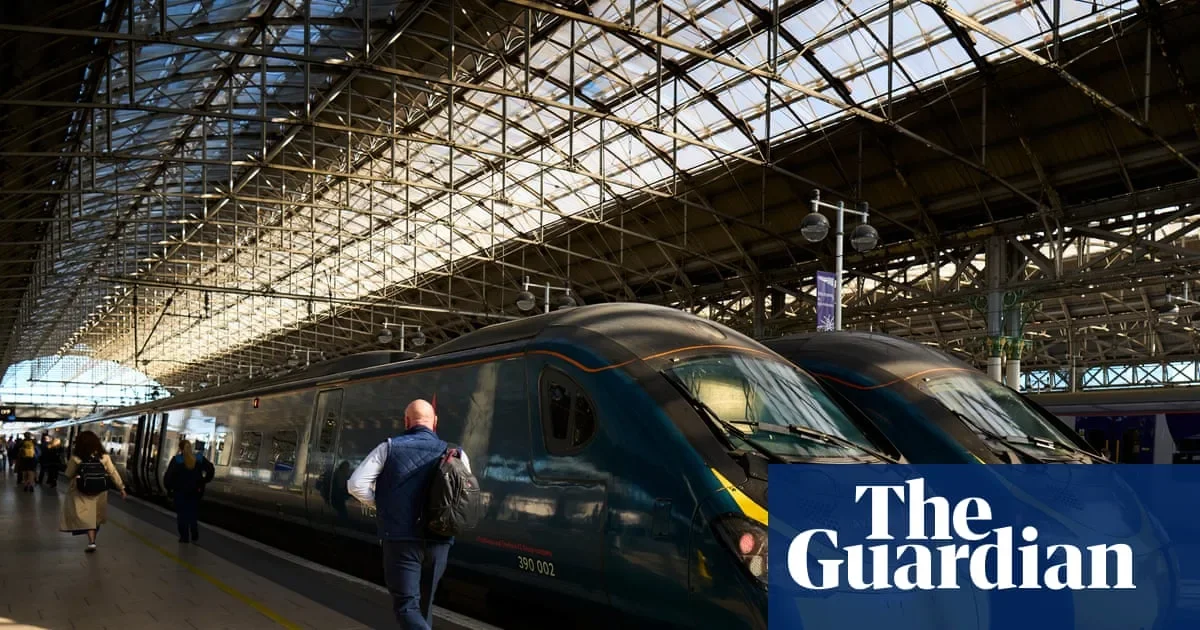
Avanti West Coast, one of Britain's primary intercity rail operators, has disclosed a staggering £20 million payout in 'delay repay' compensation to passengers over just three months this summer. This figure is a stark indicator of the operational challenges facing the UK's rail network, where aging infrastructure and staffing disputes have led to frequent cancellations and significant service disruptions. The operator's compensation bill for the current financial year is now projected to exceed £70 million, a sum that dwarfs the company's annual profits from previous years.
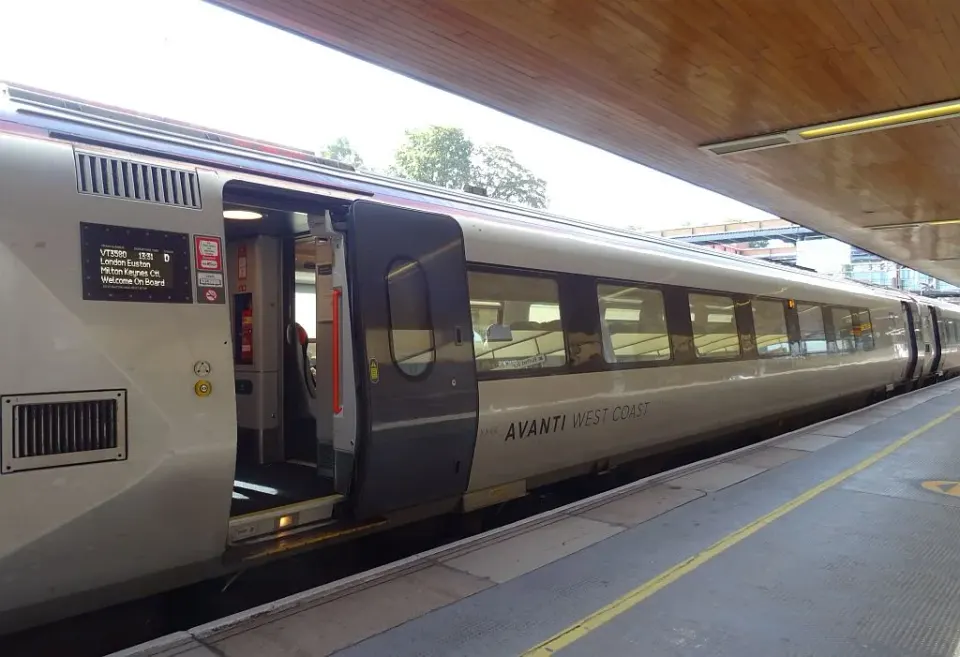
This massive payout is more than just a corporate loss; it reflects a broader economic inefficiency that plagues the British transport sector. For passengers, the refunds offer small consolation for lost time and disrupted business, but for the government and taxpayers, it raises urgent questions about the sustainability of current rail management contracts. As the UK enters a period of fiscal tightening, the inability to maintain reliable public transport could dampen domestic productivity and investor confidence in British infrastructure projects.
Tehran and Beijing: Beyond Political Expediency
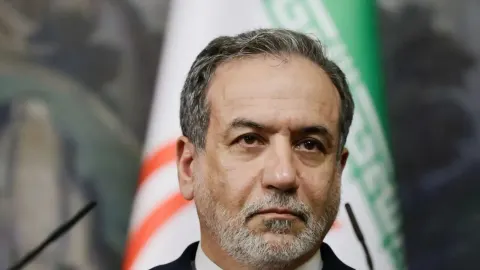
In a move to reinforce Iran's strategic pivot toward the East, the Iranian ambassador to China has characterized the relationship between Tehran and Beijing as one rooted in deep historical and civilizational ties. Speaking from Beijing, the ambassador argued that the friendship between the two nations transcends conventional political and economic transactions. This narrative is intended to present a front of long-term stability and mutual respect, particularly as Iran faces ongoing Western sanctions and increased pressure in the global energy market.
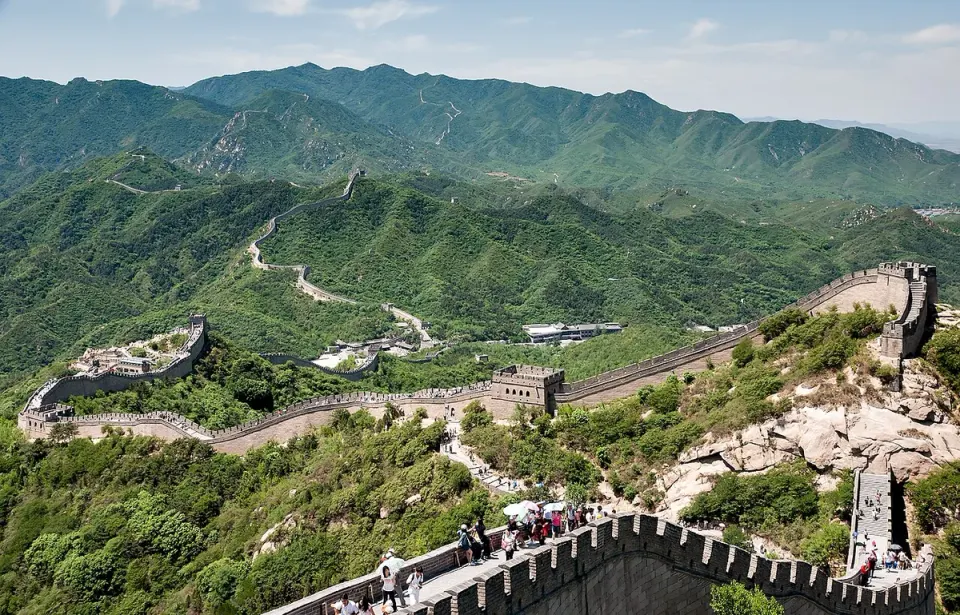
This diplomatic messaging arrives at a critical juncture. With reports of maritime incidents in the Strait of Hormuz—including claims of tankers striking mines—Tehran is keen to ensure that its primary economic partner remains committed. China’s role as the largest buyer of Iranian oil and a key provider of technological infrastructure makes this relationship indispensable. By framing the alliance as "civilizational," Tehran is attempting to insulate the partnership from the volatile shifts of international geopolitics, suggesting that these ties are too ancient and profound to be severed by modern sanctions or short-term security crises.
Cultural Resilience: Theater and Sport in the Heart of Tehran
Despite the shadow of regional tensions, the cultural and social life in the Iranian capital remains vibrant and defiant. In the past 48 hours, Tehran has seen two major events that capture the public's imagination: the staging of the epic concert-theater production "Siavash" and the historic women’s football derby. The "Siavash" production, based on Ferdowsi’s Shahnameh, brings to life one of the most tragic and noble figures of Iranian mythology. By utilizing modern theater techniques to tell a thousand-year-old story of integrity and sacrifice, the production serves as a reminder of the cultural identity that remains a source of pride for the Iranian people.
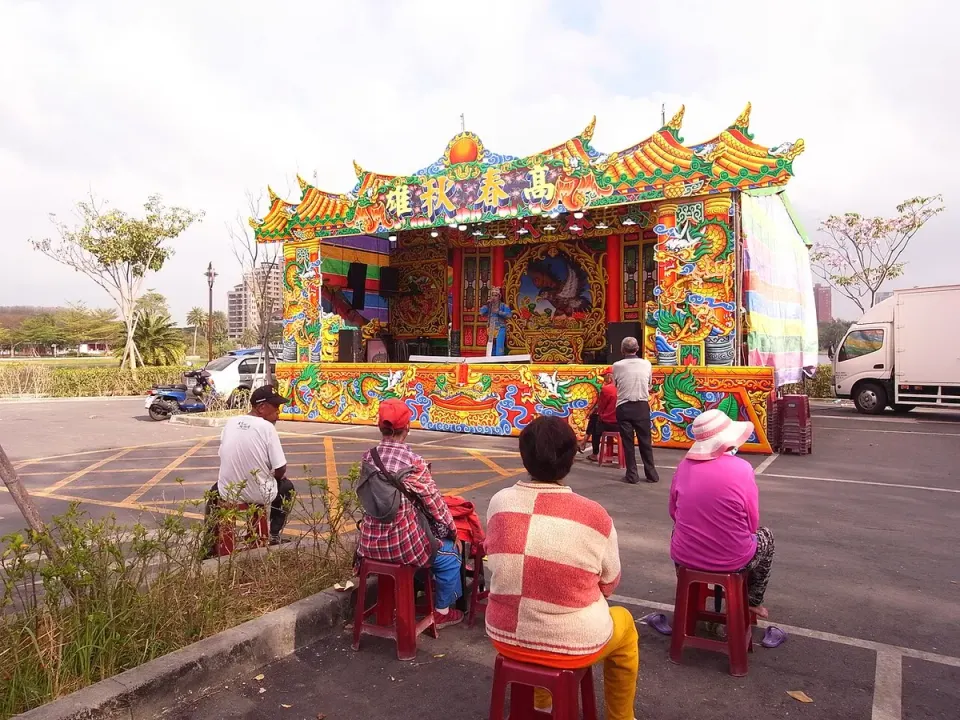
Simultaneously, the sports world witnessed a significant milestone as the women's football teams of Persepolis and Esteghlal faced off at the Shohada-ye Shahr-e Qods Stadium. Persepolis secured a 2-1 victory in a match that represents more than just a scoreline; it symbolizes the increasing visibility and participation of women in Iranian public life despite institutional barriers. These events—one rooted in ancient literature and the other in modern sport—provide a necessary counter-narrative to the purely geopolitical focus often applied to Iran. They demonstrate a society that is actively engaging with its past while pushing for a more inclusive future, even as external economic and military pressures mount.
Frequently Asked Questions
چرا شرکت آوانتی بریتانیا مجبور به پرداخت غرامت سنگین شده است؟
اهمیت تاکید بر پیوندهای تمدنی بین ایران و چین چیست؟
وضعیت بازار طلا در تهران با وجود تنشهای تنگه هرمز چگونه است؟
Understanding Geopolitical Choke Points
In the intricate web of global trade and international relations, certain narrow maritime passages hold immense strategic importance. These are known as geopolitical choke points—critical arteries through which a significant portion of the world's commercial and energy resources must pass. Their strategic value stems from their physical constraints; they are often narrow straits or canals that, if disrupted or controlled, can severely impact global supply chains, energy prices, and even trigger international conflicts. Understanding these choke points is crucial for comprehending global economics and security.
The Strait of Hormuz, explicitly mentioned in the keywords, serves as a prime example of such a choke point. Situated between the Persian Gulf and the Gulf of Oman, it is the world's most important oil transit choke point, through which approximately one-fifth of the world's total oil consumption and a substantial amount of liquefied natural gas (LNG) pass daily. Any tension or disruption in this strait, such as those alluded to in the headline, immediately sends ripples across global energy markets, affecting prices and security for major importing nations like China, which relies heavily on Middle Eastern oil.
Control or influence over these choke points grants significant leverage in international diplomacy and military strategy. Nations bordering or capable of influencing these passages, like Iran with the Strait of Hormuz, possess a unique strategic advantage. This can be a factor in their foreign policy decisions, including the formation of strategic alliances, as seen in Tehran strengthening ties with major global powers. For energy-hungry nations, ensuring the free passage through these choke points is a top national security priority, driving naval deployments and diplomatic efforts to maintain stability.
Beyond energy, choke points facilitate the movement of all kinds of goods, making them vital for global manufacturing and consumption. Disruptions, whether due to political instability, piracy, or natural disasters, can lead to significant economic losses, supply shortages, and increased shipping costs. Therefore, the security and openness of these maritime passages are fundamental to the functioning of the global economy and a constant focus for international cooperation and, at times, contention.