Hormuz Reopening Terms Set as Global Markets Brace for 'Borrowed Time' Bull Run
شرط ایران برای بازگشایی هرمز؛ هشدار استراتژیستها درباره پایان عصر صعودی بازارها
Foreign Minister Araghchi outlines conditions for the Strait of Hormuz as USD edges up to 273,000 Toman in Tehran. Meanwhile, macro analysts warn of a 12-month limit on the current global bull market amidst looming interest rate hikes.
At time of publishing
USD
273,000
Toman
Gold 18K
25.87M
Toman / gram
Bitcoin
$78,037
US Dollar
Tether
271,995
Toman
Araghchi’s Diplomacy: The Strait of Hormuz as a Geopolitical Lever
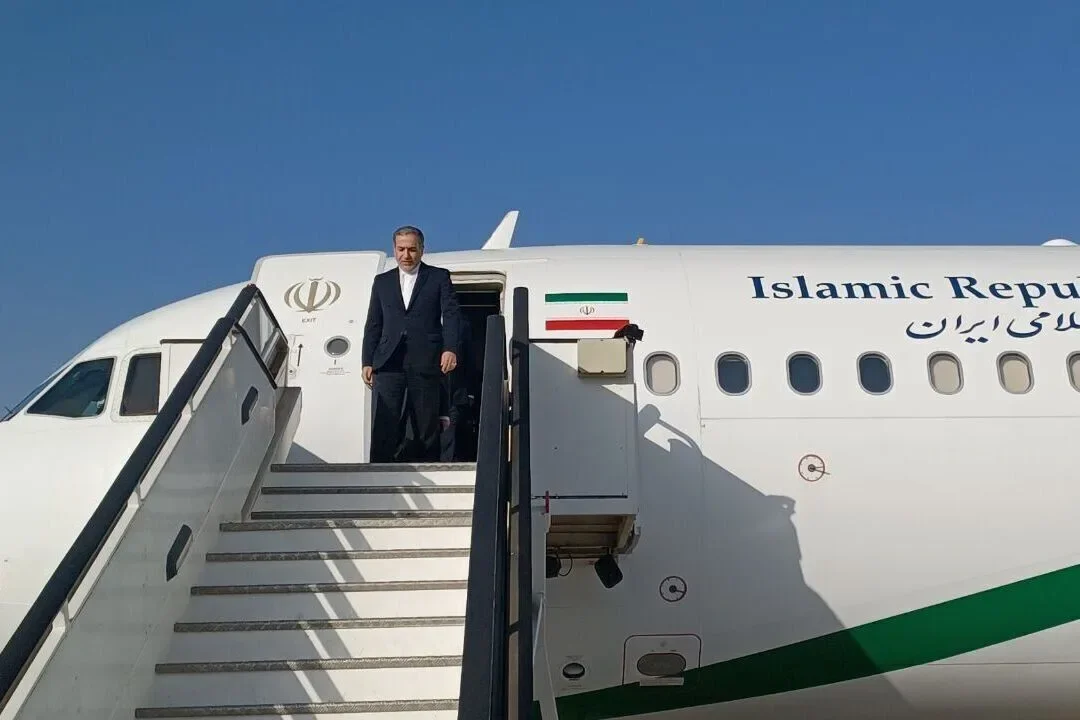
In a significant diplomatic move, Iranian Foreign Minister Abbas Araghchi, currently in Ashgabat, Turkmenistan, has stated that the conditions for reopening the Strait of Hormuz are "entirely feasible" provided the United States demonstrates genuine goodwill. This statement, reported by state media, suggests that Tehran is attempting to use its control over the world’s most vital energy artery as a primary bargaining chip in broader negotiations. Araghchi emphasized that a peaceful solution is within reach if Washington moves away from its current posture, though he remained vague on the specific technical requirements for the reopening.
For the Iranian public and local markets, these diplomatic signals are being met with cautious skepticism. In the past 24 hours, the USD in Tehran's open market moved from 271,800 to 273,000 Toman, a modest increase of 0.4%. While the government attempts to project a position of strength and flexibility, the slight rise in currency prices suggests that traders are hedging against the possibility that these "feasible conditions" may lead to further stalemates rather than a swift resolution. The market is currently pricing in the risk that the rhetoric from Ashgabat is more about testing the waters than a definitive shift in policy.

Global Economic Cooling: Australia’s Warning for the World
Beyond the regional tension, the global economy is facing a significant test as Australia’s central bank prepares for its fifth consecutive interest rate hike. Major economists are now predicting a "sharper, longer slowdown" for the Australian economy, driven by persistent inflationary pressures and the broader fallout from conflicts in the Middle East. The Reserve Bank of Australia (RBA) is expected to push rates to their highest level since 2008, a move that many fear could tip the nation into a recession. This is not just a local issue; Australia often serves as a canary in the coal mine for other developed economies facing similar debt and housing market pressures.
For investors, this signals a shift from the "soft landing" narrative to one of structural stagnation. As interest rates remain higher for longer to combat inflation, the cost of borrowing continues to squeeze both consumers and corporations. This global tightening cycle is a major reason why gold and safe-haven assets remain elevated. In Tehran, 18k gold rose from 25,721,409 to 25,871,462 Toman per gram (+0.6%) today, reflecting a global trend where physical assets are preferred over currencies that are being devalued by both inflation and high-interest-rate volatility.
The Bull Market’s Expiration Date and Crypto’s Resilience
In the financial heart of the West, macro strategist Alex Barrow, a former Marine sniper turned market analyst, has issued a stark warning: the current bull market is on "borrowed time," with only six to twelve months of growth remaining. Barrow argues that the current euphoria in equity markets is ignoring the underlying fragility of the global financial system. His playbook suggests that investors who fail to prepare for a painful pullback will be caught off guard when the cycle inevitably turns. This sentiment is echoed by the Bank of Korea, which has begun probing financial firms for their exposure to systemic risks, particularly in the volatile crypto sector.
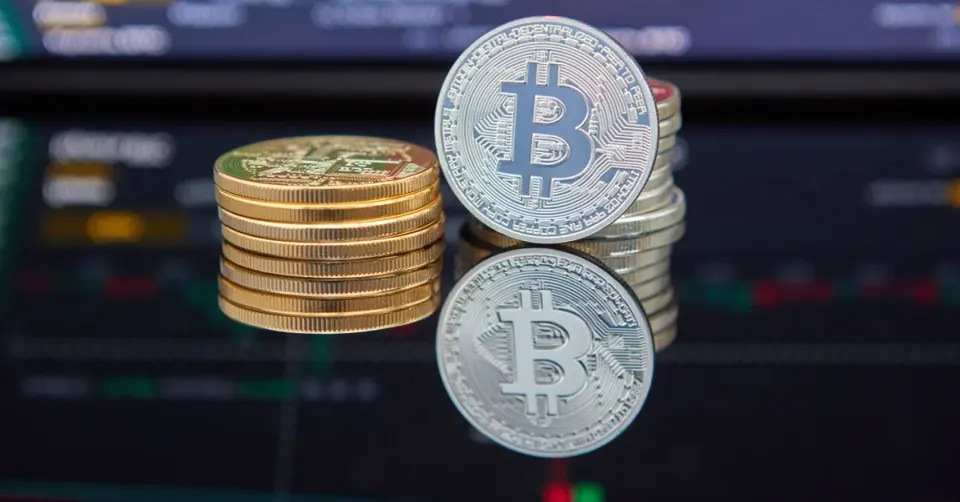
Despite these warnings, the cryptocurrency market is showing remarkable resilience. Bitcoin has steadied at approximately $78,037 after a turbulent October. The market was recently rocked by a $3.6 billion hack on Binance, the world’s largest exchange, which led to a temporary freeze on transactions. However, Binance has now resumed withdrawals, and the fact that Bitcoin maintains its $78k level suggests that institutional support remains strong despite the security breach. For Iranian crypto holders, the stability of USDT (trading at 271,995 Toman) provides a critical bridge as they navigate the 1.1% jump in the price of the Emami coin, which rose from 261,000,000 to 264,000,000 Toman today.
Historical Reckoning: Hungary’s Unmasking of the Past
While markets focus on the future, Hungary is looking back in a move that could redefine its domestic political landscape. The new government has announced plans to reveal the names of tens of thousands of state informants from the communist era. Between 1945 and 1989, a vast network of spies was used to suppress dissent, often involving the betrayal of friends and family members. By making these files public, Hungary aims to confront a legacy of mistrust that has persisted for decades. This process of "unmasking" is a significant geopolitical development in Eastern Europe, signaling a move toward greater transparency in a region often criticized for its opaque political structures.
This historical reckoning serves as a reminder of the long-term impact of state surveillance and the fragility of social trust. While this may seem distant from the fluctuations of the Toman or the price of Bitcoin, it highlights the broader global trend of populations demanding accountability from their institutions. Whether it is through the transparency of a blockchain or the opening of secret police archives, the theme of the current era is the struggle for information and the consequences of its release.
Frequently Asked Questions
What are Iran's conditions for reopening the Strait of Hormuz?
Why is the Australian interest rate hike significant for global markets?
How did the Binance hack affect Bitcoin's price?
Why are macro strategists warning about the end of the bull market?
Why the Strait of Hormuz Matters to Global Markets
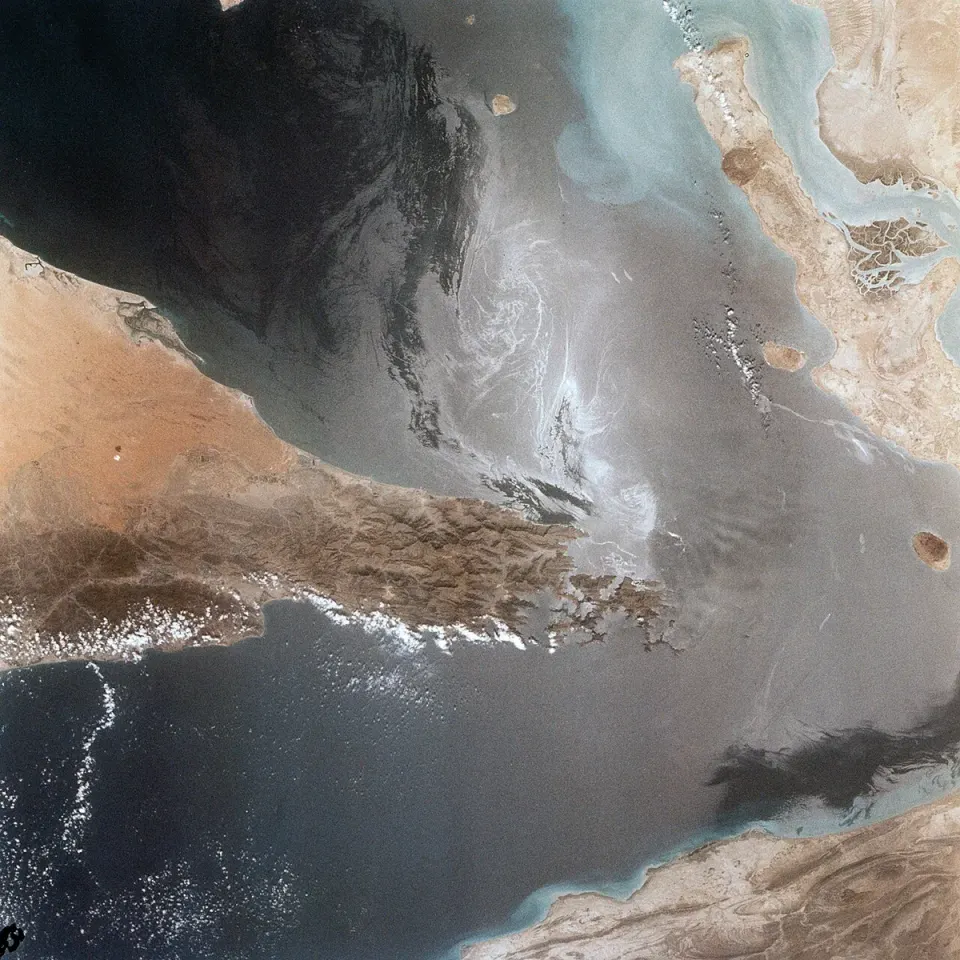
The Strait of Hormuz is a narrow waterway, only about 21 nautical miles wide at its narrowest point, that links the Persian Gulf with the Gulf of Oman and the open ocean. Despite its modest size, it is the world’s most critical oil chokepoint: roughly 20‑30 % of daily global petroleum liquids—including crude oil, condensate and fuel oil—pass through the strait each day. This concentration means that any disruption, whether from geopolitical tension, piracy, or a mechanical accident, can instantly reverberate through global energy markets, pushing oil prices higher and tightening supply chains.
Historically, the strait has been a flashpoint for conflict. During the Iran‑Iraq War in the 1980s, both sides mined the waters, leading to the “Tanker War” that threatened the flow of oil to the West. More recently, Iran has repeatedly threatened to close the strait in response to sanctions, prompting navies from the United States, United Kingdom and other nations to conduct freedom‑of‑navigation operations. These show‑of‑force missions aim to reassure shipping companies that the waterway remains open, but they also underscore how fragile the security environment can be.
The economic implications of a closure are stark. A full shutdown would force oil tankers to take the much longer route around the Cape of Good Hope, adding up to 2,000 km to a voyage and increasing shipping costs by 10‑15 %. The extra distance also raises fuel consumption and emissions, further inflating costs. Markets react quickly: even the mere threat of a closure can trigger spikes in Brent and WTI crude prices, as traders price in the risk premium. This price shock then filters through to gasoline, diesel, and even non‑energy commodities that rely on oil‑based logistics.
For countries that are heavily dependent on oil imports—such as India, Japan, South Korea and many European nations—a Hormuz disruption can strain trade balances and fuel inflation. Conversely, oil‑producing nations that export through the strait, notably Saudi Arabia and the United Arab Emirates, may see short‑term price gains but also face reputational damage if their shipments are delayed. The interconnectedness of the global economy means that a geopolitical event in a 21‑mile channel can ripple across stock markets, currency values, and even influence monetary policy decisions, such as the interest‑rate outlook in Australia or the United States.
Understanding the strategic importance of the Strait of Hormuz helps investors and policymakers gauge the risk of supply‑side shocks and assess why news about its reopening—or threats to its closure—can move markets dramatically. It also highlights why nations invest heavily in naval capabilities and diplomatic efforts to keep this vital artery open, ensuring that the world’s energy system remains resilient.
Topics
Related Articles