Bagheri Kani Lands in Beijing for Strategic Talks; AI Bull Market Faces 2027 'Reality Check' Warning
سفر راهبردی باقریکنی به پکن؛ هشدار تحلیلگران درباره توقف موتور رشد بازارهای هوش مصنوعی در سال ۲۰۲۷
Ali Bagheri Kani's high-stakes visit to Beijing signals a push for Eastern security guarantees as Tehran navigates currency volatility. Meanwhile, market analysts warn that the AI-driven stock rally may hit a wall by 2027, potentially ending the current era of blockbuster earnings.
At time of publishing
USD
273,200
Toman
Gold 18K
25.77M
Toman / gram
Bitcoin
$77,965
US Dollar
Tether
273,112
Toman
Bagheri Kani in Beijing: A Strategic Pivot Amid Sanctions
Ali Bagheri Kani, the deputy for international affairs at the Secretariat of Iran’s Supreme National Security Council, has arrived in Beijing for high-level consultations with senior Chinese officials. This visit comes at a critical juncture for Iran’s foreign policy, as the administration seeks to solidify its "Look to the East" strategy amidst intensifying Western pressure. By engaging directly with Beijing, Tehran aims to secure not only economic guarantees but also a level of diplomatic cover that could mitigate the impact of regional tensions and ongoing sanctions. The timing is particularly notable as global energy markets remain on edge, and China’s role as a primary buyer of Iranian oil remains a vital lifeline for the Iranian economy.
For the Iranian market, these talks are more than just diplomatic protocol; they are a signal of potential stability. The Toman has historically shown extreme sensitivity to diplomatic shifts, and any sign of a concrete trade or security understanding with China could provide a psychological floor for the currency. As of 16:00 Tehran time on Monday, November 2, 2026, the USD sell rate in Tehran stands at 273,200 Toman, reflecting a 0.5% increase from yesterday's 271,800. While the rise is modest, it underscores a persistent inflationary pressure that only significant diplomatic breakthroughs or capital inflows can truly reverse. Investors are currently in a "wait-and-see" mode, looking to see if Beijing will offer more than just rhetorical support in the face of shifting US policy.

The AI Engine: Why the Global Bull Market Might Stall
The blockbuster earnings growth that fueled the 2026 AI-powered bull market is facing a potential "reality check." Analysts are increasingly warning that the explosive growth seen in tech giants may not be sustainable into 2027. While AI integration has driven massive efficiency gains and speculative investment, the staggering capital expenditures required to maintain this infrastructure—from advanced chips to energy-hungry data centers—are beginning to weigh on corporate balance sheets. There is a growing concern among institutional investors that the return on investment (ROI) for AI might take significantly longer to materialize than the current market valuations suggest, leading to a possible "stalling" of the market engine.
This shift matters deeply for global liquidity and risk appetite, which in turn dictates the flow of capital into emerging markets and alternative assets like Bitcoin. If the AI-driven tech rally in the US loses steam, we could see a broader rotation out of high-growth assets into traditional safe havens. Currently, the global gold ounce is trading at a historic $3,904.30, suggesting that many large-scale investors are already hedging against a potential equity downturn. Bitcoin remains resilient at $77,965, but it is currently holding its 100-day moving average as it braces for the volatility associated with upcoming US political shifts and the monthly close of tech earnings.

Agricultural Diplomacy and Regional Food Security
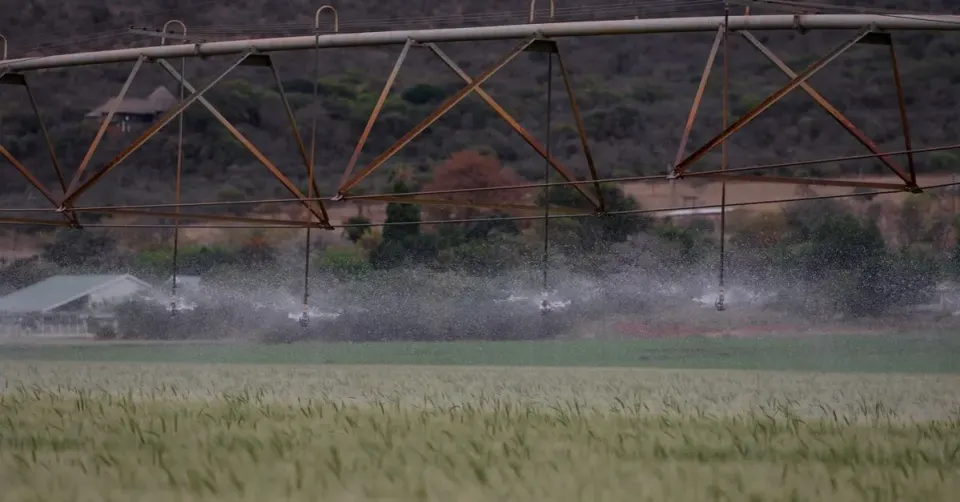
Deputy Foreign Minister Kazem Gharibabadi has recently emphasized Iran’s readiness to expand agricultural cooperation within the region and beyond. This "agricultural diplomacy" is being framed as a core component of national security, aiming to create a network of trade and investment that bypasses traditional Western-dominated supply chains. By focusing on scientific knowledge-based farming and regional partnerships, Tehran hopes to build domestic resilience against both climate change and economic blockades. The goal is to secure sustainable food supplies through joint ventures in countries with more favorable climates while exporting Iranian agricultural technology and expertise.
This move is part of a broader trend where emerging economies are prioritizing essential commodities over purely speculative growth. For the average Iranian citizen, success in these agricultural partnerships could eventually lead to more stable prices for basic goods, which have been a major driver of domestic inflation. However, the path from diplomatic agreements to actual food price stability at the local grocery store remains long. As Emami coins rose 0.8% today to reach 263,000,000 Toman, the cost of living remains the primary concern for the public, making these strategic long-term initiatives feel distant to those struggling with daily price hikes.
Cultural Backlash: Critics and the Commercial Reality
In the realm of global culture and geopolitics, the recent box-office disaster of Taika Waititi’s adaptation of Kazuo Ishiguro’s "Klara and the Sun" has sparked a heated debate about the role of critics versus audiences. Waititi launched a public broadside against reviewers, calling them "sad lost souls" after his film failed to gain commercial traction despite high audience ratings on platforms like Rotten Tomatoes. This conflict highlights a growing divide in the digital age: the disconnect between institutional gatekeepers and the general public's consumption habits.
While this may seem like a purely Hollywood story, it reflects a broader global sentiment where traditional institutions—whether they be film critics or financial analysts—are being increasingly bypassed by decentralized platforms and direct-to-consumer communication. This trend is mirrored in the financial world, where retail investors often ignore traditional banking advice in favor of social media-driven trends and decentralized finance. Even the papacy is not immune to this commercial reality; Pope Leo XIV’s continued use of commercial airlines for travel serves as a symbolic gesture of humility and cost-cutting in an era where institutional transparency is demanded by a more connected and critical global public.
Frequently Asked Questions
چرا سفر باقریکنی به پکن برای بازار ارز اهمیت دارد؟
دلیل هشدار درباره توقف رشد بازار هوش مصنوعی چیست؟
آیا قیمت طلا به رشد خود ادامه خواهد داد؟
Understanding Economic Bubbles: The 'Reality Check' of Speculative Markets
An economic bubble, often called a speculative bubble, occurs when the price of an asset or asset class rises rapidly and significantly beyond its intrinsic value, driven by investor enthusiasm and speculation rather than fundamental economic factors. These periods are characterized by a self-reinforcing cycle where rising prices attract more buyers, who are motivated by the expectation of further price increases rather than the asset's underlying worth. The recent 'reality check' warning for the AI market in 2027, as highlighted in the news, serves as a contemporary reminder of this recurring economic phenomenon.
Historically, economic bubbles follow a predictable pattern, often described in stages: displacement, boom, euphoria, and bust. A 'displacement' typically starts with a new technology or market opportunity (like the internet in the late 90s or AI today) that genuinely promises significant growth. This leads to a 'boom' phase where early investors see substantial gains, attracting broader participation. As the 'euphoria' takes hold, rational valuation gives way to irrational exuberance, with investors convinced that 'this time is different' and prices will continue to rise indefinitely.
However, all bubbles eventually burst. The 'bust' phase begins when a significant number of investors realize that prices are unsustainable, leading to a wave of selling. This panic selling can trigger a sharp, rapid decline in asset prices, causing significant wealth destruction and potentially broader economic instability. Famous examples include the Dutch Tulip Mania of the 17th century, the Dot-com bubble of the late 1990s, and the US housing bubble of the mid-2000s.
Understanding economic bubbles is crucial for investors and policymakers alike. For investors, it underscores the importance of fundamental analysis, risk management, and avoiding herd mentality. For policymakers, it highlights the need for vigilance regarding asset price inflation, credit growth, and potential systemic risks. While identifying a bubble in real-time is challenging, recognizing the warning signs—such as rapidly escalating valuations, widespread speculation, and detachment from underlying earnings or utility—can help mitigate potential losses and promote more sustainable market growth.