Cyber-Hacks Hit European Food Chains as ADNOC Warns of Global Oil Buffer Depletion
حملات سایبری به زنجیره غذایی اروپا؛ هشدار ادنوک درباره تخلیه ذخایر استراتژیک نفت جهان
Supermarkets across Ireland and Estonia face freezer malfunctions following targeted cyber-attacks, highlighting new vulnerabilities in European infrastructure. Meanwhile, ADNOC warns that global oil supply buffers have eroded by 1 billion barrels, driving market anxiety as the Toman continues its upward climb.
At time of publishing
USD
273,400
Toman
Gold 18K
25.78M
Toman / gram
Bitcoin
$77,571
US Dollar
Tether
273,330
Toman
The New Frontline: Cyber-Attacks on European Infrastructure
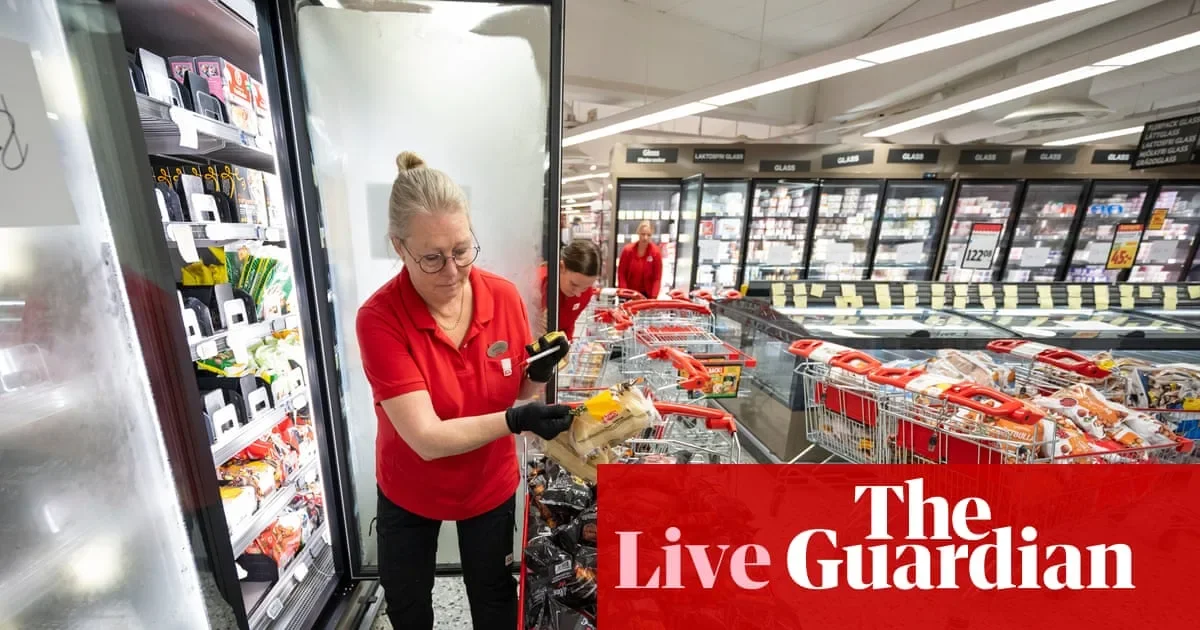
As of 17:00 Tehran time on Monday, November 2, 2026, a disturbing new trend in hybrid warfare has emerged across Europe. Supermarket chains in Ireland, Estonia, and Sweden have reported sophisticated cyber-attacks targeting the temperature control systems of their industrial freezers and refrigerators. This is not a simple data breach; it is a direct hit on the physical infrastructure of the food supply chain. In Estonia, officials noted that hackers managed to manipulate thermostat settings remotely, potentially spoiling tons of perishable goods. This follows similar reports from Sweden, where major retailers like Ica Kvantum have been forced to manually monitor cooling units after their automated systems were compromised.
What makes this development particularly alarming is the timing and the potential for escalation. These attacks coincide with renewed kinetic strikes in Ukraine, specifically in Kherson, where Russian drones recently targeted a hospital. Security experts suggest that these "freezer hacks" serve as a low-cost, high-impact method of psychological and economic warfare, designed to create domestic instability within NATO and EU member states. By targeting the most basic level of civilian life—the ability to store and purchase food—the attackers are testing the resilience of Western IoT (Internet of Things) infrastructure. For the average consumer, this means that the digital security of a grocery store is now just as critical as the physical security of a power plant.
Global Oil Buffers Erode as Markets Brace for $130 Brent
The global energy landscape is facing a moment of reckoning. Sultan Al Jaber, the chief of ADNOC, issued a stark warning at the ADIPEC 2026 conference in Abu Dhabi, stating that the world has effectively "eroded its supply buffers." According to Al Jaber, nearly 1 billion barrels of oil have been drained from global inventories following the persistent disruptions in the Strait of Hormuz. This massive drawdown has left the global energy system dangerously brittle. With diesel stocks in several key markets hitting seasonal lows, any further disruption could lead to a parabolic spike in prices. This sentiment was echoed by Goldman Sachs analysts, who now project that Brent crude could average $130 to $140 per barrel next year if Middle Eastern tensions do not subside.
For the Iranian market, these global energy shifts are a double-edged sword. While higher oil prices theoretically benefit producers, the regional instability that drives these prices also puts immense pressure on the national currency. In the last 24 hours, the USD in Tehran's free market rose from 271,800 to 273,400 Toman, a 0.6% increase. Similarly, the Emami gold coin jumped by 1.0%, moving from 261,000,000 to 263,500,000 Toman. Investors are clearly seeking refuge in hard assets as the combination of depleted global reserves and local geopolitical risk creates a volatile cocktail for the Toman's purchasing power.
Livelihoods at Risk: The Human Cost of Persian Gulf Tensions
While the macro-economic world focuses on oil barrels and currency deltas, the local impact of maritime tension is being felt acutely in the southern regions of Iran. According to reports from the Qeshm Fishermen’s Cooperative, the presence of foreign military vessels and the ongoing state of high alert in the Persian Gulf have significantly endangered the livelihoods of local fishermen. The cooperative's CEO claimed that military posturing has led to the destruction of fishing vessels and, in some cases, the loss of life. While state media often uses such reports to frame a narrative against Western presence, the underlying reality is that the militarization of these waters is choking the local economy of coastal communities that rely on the sea for survival.
This situation highlights the disconnect between high-level geopolitical maneuvering and the daily reality of Iranian citizens. As the IRGC and US naval forces continue their cat-and-mouse games near the Strait of Hormuz, the "blue economy" of Qeshm and Hormozgan is facing a depression. Fishermen are often restricted from their traditional fishing grounds due to "security zones," and the risk of being caught in a crossfire or mistaken for a hostile actor has kept many boats docked. This localized economic paralysis contributes to the broader sense of uncertainty that keeps the Toman under pressure, as traditional trade and industry are sacrificed on the altar of regional brinkmanship.
The Politics of Electricity: US Midterms and Energy Anxiety
Across the Atlantic, the "politics of electricity" is becoming a deciding factor in the upcoming US midterm elections. In states like Arizona, where extreme heat is a constant reality, utility bills have become a central campaign issue. Clean energy advocates point out that residents are seeing monthly power bills as high as $400, driven by a combination of inflation and the massive energy demands of new data centers. This economic pain is providing an opening for Democratic candidates to push for clean energy transitions as a way to lower costs, while Republicans point to these high bills as evidence of the current administration's failed energy policies.
This domestic US struggle has global implications. If the US electorate shifts toward a more isolationist or aggressively pro-fossil fuel stance, it could alter the trajectory of global energy transitions and, by extension, the geopolitical leverage of oil-producing nations. For Iranian observers, the US midterms are not just a foreign curiosity; they represent a potential shift in the sanctions regime and diplomatic approach toward Tehran. The high cost of living in the US, mirrored by the rising cost of the dollar in Tehran, shows that whether in Phoenix or Mashhad, the price of energy and the stability of the currency remain the ultimate political barometers.
Frequently Asked Questions
Why are hackers targeting supermarket freezers in Europe?
What does the 1 billion barrel oil drain mean for fuel prices?
How is the situation in the Persian Gulf affecting local Iranians?
Understanding Energy Security and Strategic Petroleum Reserves
Energy security is a critical concern for nations worldwide, referring to the uninterrupted availability of energy sources at an affordable price. It encompasses a nation's ability to ensure a consistent supply of energy for its economy and citizens, safeguarding against disruptions caused by geopolitical events, natural disasters, or technical failures. Without reliable energy, economies falter, and daily life is severely impacted, making energy security a cornerstone of national stability and prosperity.
One of the most vital tools in a nation's energy security strategy is the Strategic Petroleum Reserve (SPR). These are government-owned stockpiles of crude oil, maintained specifically to provide a buffer against sudden supply disruptions. The idea is to release oil from these reserves during emergencies, such as wars, natural catastrophes affecting oil production, or major infrastructure failures, thereby stabilizing global oil prices and ensuring domestic supply. The United States, for instance, maintains the world's largest SPR, capable of holding hundreds of millions of barrels of crude oil.
The importance of SPRs becomes particularly evident when considering global oil chokepoints, such as the Strait of Hormuz. This narrow waterway is a critical transit point for a significant portion of the world's oil supply. Any disruption—whether due to conflict, piracy, or natural events—can have immediate and severe repercussions on global energy markets. In such scenarios, SPRs act as a crucial safety net, allowing governments to inject oil into the market to offset shortages and prevent prices from spiraling out of control, buying time for alternative solutions or for the crisis to abate.
Recent warnings, such as ADNOC's concern about global oil buffer depletion, underscore the diminishing resilience of the global energy system. When strategic reserves are drawn down without adequate replenishment, the world's ability to withstand future supply shocks is weakened. This highlights a growing vulnerability, as reduced buffers mean less flexibility to respond to unforeseen events, potentially leading to greater price volatility and economic instability. Understanding SPRs is therefore key to grasping how nations attempt to manage the inherent risks of global energy interdependence.