Iran Offers Two-Day Hormuz Reopening in US Deal, Global Oil Prices Plunge
ایران پیشنهاد بازگشایی دو روزه تنگه هرمز در ازای توافق با آمریکا را میدهد؛ سقوط قیمت جهانی نفت
Iran has announced its readiness to reopen the Strait of Hormuz within two days as part of a potential deal with the United States, a development that immediately sent global oil prices plummeting. This diplomatic overture comes amidst ongoing regional tensions and discussions about Tehran's potential responses to military action, while domestic financial markets in Iran saw slight upward movements in USD, gold, and coin prices today. Meanwhile, a high-profile legal trial involving Russell Brand continues, drawing significant media attention.
At time of publishing
USD
272,100
Toman
Gold 18K
25.82M
Toman / gram
Bitcoin
$77,861
US Dollar
Tether
271,407
Toman
Iran Offers Two-Day Hormuz Reopening, Oil Prices Plunge
Iranian officials have reportedly expressed their willingness to reopen the vital Strait of Hormuz within two days, contingent on a broader agreement with the United States. This significant diplomatic development, which emerged from ongoing negotiations, immediately triggered a notable reaction in global energy markets. Oil prices extended their losses from Asian trade into early Monday morning U.S. time, slumping by 3% following reports of a draft proposal on a potential end to the U.S.-Iran war being circulated after Iranian negotiators left Qatar.
The Strait of Hormuz is a crucial chokepoint for global oil and gas shipments, and any disruption or potential de-escalation in the region has profound implications for international energy security and prices. This latest overture from Tehran, suggesting a concrete timeline for reopening the strait, signals a potential shift towards easing tensions, even as Iranian authorities simultaneously prepare for various contingencies. For Iranian citizens, such a deal could potentially lead to a reduction in economic pressures, including an easing of sanctions that impact trade and currency stability. Today, the USD/IRR moved from 271,800 to 272,100 (+0.1%), Gold 18k/gram rose from 25,721,409 to 25,820,675 (+0.4%), and Emami coin increased from 261,000,000 to 263,500,000 (+1.0%), reflecting a cautious yet positive sentiment in local markets amidst these geopolitical headlines.
Geopolitical Undercurrents: Iran's Defense Posture Amidst Threats
Amidst these diplomatic maneuvers, the underlying geopolitical tensions in the region remain a critical concern, with discussions ongoing about how Tehran would respond if the United States and Israel were to launch another bombing campaign against Iran. Analysts suggest that while Iran maintains significant offensive capabilities, its civilian population and critical infrastructure largely remain exposed to potential aerial assaults. This ongoing assessment of Iran's defensive and retaliatory capabilities provides a sobering backdrop to any peace negotiations, highlighting the precarious balance of power in the Middle East.
The potential for renewed conflict underscores the urgency of diplomatic efforts to de-escalate tensions and secure lasting agreements. The Iranian government's dual approach of negotiating while simultaneously preparing for war reflects the complex security environment it perceives. For the region, and by extension, for global markets, the risk of military confrontation, even with ongoing peace talks, continues to be a major factor influencing stability and investment decisions. Any escalation could swiftly reverse the positive market reactions seen today, emphasizing the fragile nature of current optimism.
Financial Planning and Wealth Disparity in Focus
A personal finance story circulating in market circles highlights a significant disparity in retirement savings within a marriage, sparking a wider conversation about financial transparency and planning. A husband, possessing $2.2 million in his 401(k), expressed shock and concern upon discovering his wife had only $80,000 in hers. This revelation, causing his wife distress, underscores a common yet often unaddressed issue in many relationships: differing financial literacy levels, planning priorities, and communication about long-term goals.
This scenario, while anecdotal, reflects broader societal challenges related to financial education and wealth accumulation. It serves as a potent reminder of the importance of open and honest financial discussions between partners, ideally from the early stages of a relationship. For many, particularly in regions with economic volatility, understanding and aligning on savings, investments, and retirement planning is not just a matter of personal comfort but a critical component of family stability and future security. The story emphasizes that assumptions about a partner's financial readiness can lead to significant surprises down the line.

Russell Brand Trial Continues Amidst Defence Arguments
The high-profile trial involving comedian Russell Brand continues to unfold, with his defence barrister, Ian Winter KC, telling the court that Brand is not a 'psychopath who rapes people and thinks it’s normal'. The defence argued that earlier allegations of sexual misconduct against Brand in 2023 had 'poisoned the wells' of justice, suggesting that the media scrutiny and public narrative had prejudiced the proceedings. Winter also highlighted what he termed 'monstrous delays' in the women in the criminal trial coming forward to the police, questioning the timing of their allegations.
This ongoing legal battle, which has garnered global media attention, raises important questions about due process, the influence of public opinion on judicial proceedings, and the complexities inherent in cases of alleged sexual misconduct. The defence's strategy appears to focus on challenging the credibility of the allegations and the fairness of the trial process given the extensive prior media coverage. The outcome of this trial could have significant implications for how similar high-profile cases are handled and perceived in the public sphere, especially concerning the interplay between media reporting and legal justice. The court's proceedings continue to be closely watched by legal experts and the public alike.

Frequently Asked Questions
What is the significance of Iran's offer to reopen the Strait of Hormuz?
How did global oil prices react to the news of the potential Hormuz deal?
What were the movements in Iranian domestic markets today?
Why is the Russell Brand trial considered newsworthy in a global briefing?
What does the personal finance story about retirement savings disparity highlight?
The Strategic Chokepoint: How the Strait of Hormuz Shapes Global Oil Markets
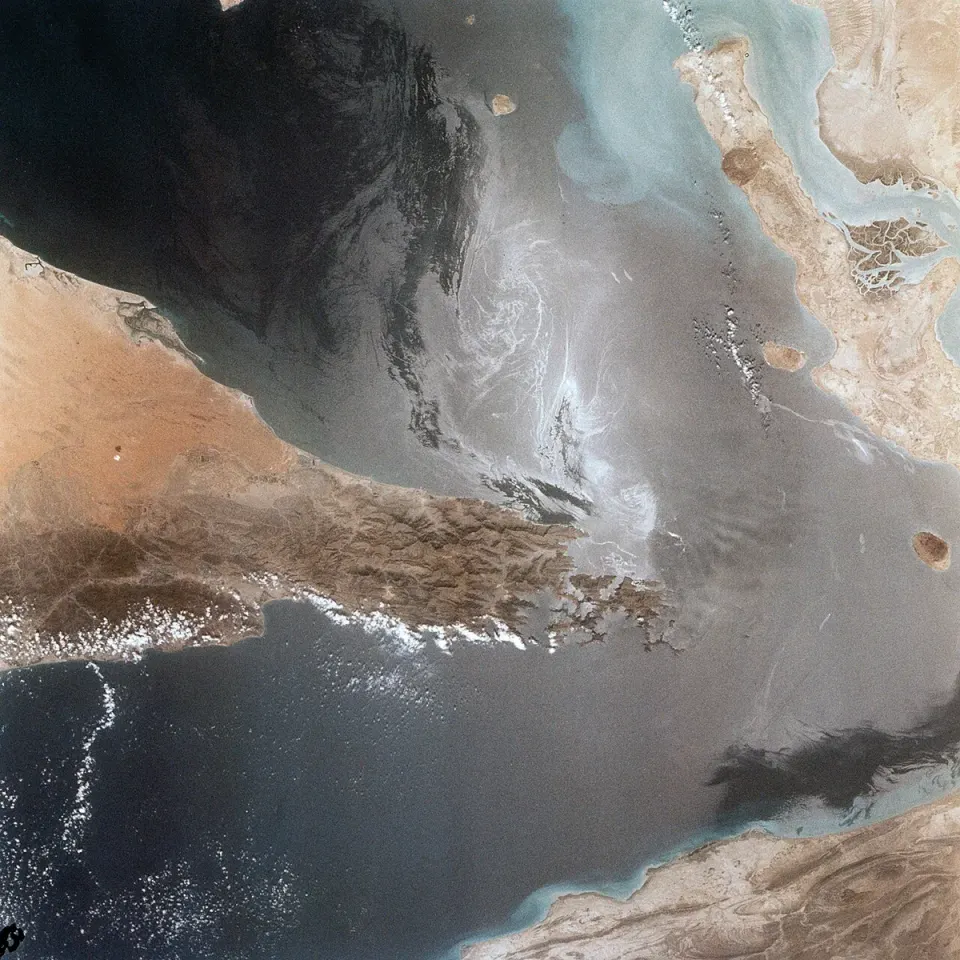
The Strait of Hormuz is one of the world's most critical maritime chokepoints, a narrow waterway connecting the Persian Gulf to the open ocean. Its immense strategic importance stems from the fact that a significant portion of the world's seaborne oil — roughly one-fifth of global petroleum liquids consumption and about one-third of all seaborne crude oil and refined products — passes through it daily. This makes it an indispensable artery for global energy supply, particularly for major oil producers in the Middle East like Saudi Arabia, Iran, UAE, Kuwait, and Iraq, who rely on it to export their crude oil and natural gas.
Its geographical characteristics amplify its significance. At its narrowest point, the Strait is only about 21 nautical miles (39 kilometers) wide, with the shipping lanes themselves a mere two miles (3.2 kilometers) in each direction. This constrained passage means that any disruption, whether due to geopolitical tensions, military conflict, or even a major shipping accident, can severely impede the flow of oil. Because there are limited alternative routes for many of the oil-exporting nations in the Persian Gulf, the Strait of Hormuz represents a single point of failure that could send shockwaves through the global energy market.
Consequently, the stability and unimpeded passage through the Strait of Hormuz are directly tied to global oil prices. News of potential deals, like the one mentioned in the headline where Iran offered a two-day reopening, or conversely, threats of closure or increased regional tensions, immediately influence market sentiment. When the perceived risk of supply disruption decreases, as would be the case with an easing of US-Iran tensions or an agreement, the expectation of a more stable or increased oil supply can lead to a significant plunge in oil prices. Conversely, any perceived threat to shipping in the Strait tends to drive prices sharply higher, reflecting fears of supply shortages and increased geopolitical risk premiums.
Understanding the Strait of Hormuz's role is crucial for comprehending global energy security, international relations, and the volatility of commodity markets. It highlights how geopolitics and geography converge to exert profound influence on the world economy.
Topics
Related Articles