US Strikes Iran, RBA Hikes Rates Amid Global Uncertainty
حملات آمریکا به ایران، افزایش نرخ بهره استرالیا در بحبوحه عدم قطعیت جهانی
The US has reportedly conducted strikes on Iran's Qeshm Island, escalating regional tensions just before crucial US midterms. Meanwhile, the Reserve Bank of Australia raised interest rates to a 18-year high, signaling a continued fight against inflation.
At time of publishing
USD
272,000
Toman
Gold 18K
25.67M
Toman / gram
Bitcoin
$76,524
US Dollar
Tether
271,631.168
Toman
US Strikes Iran's Qeshm Island Amidst Geopolitical Tensions
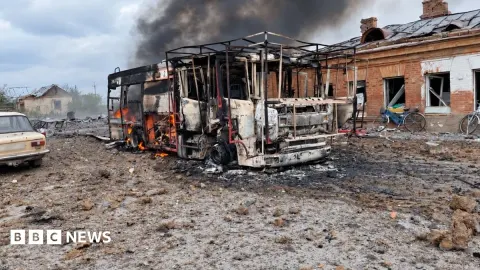
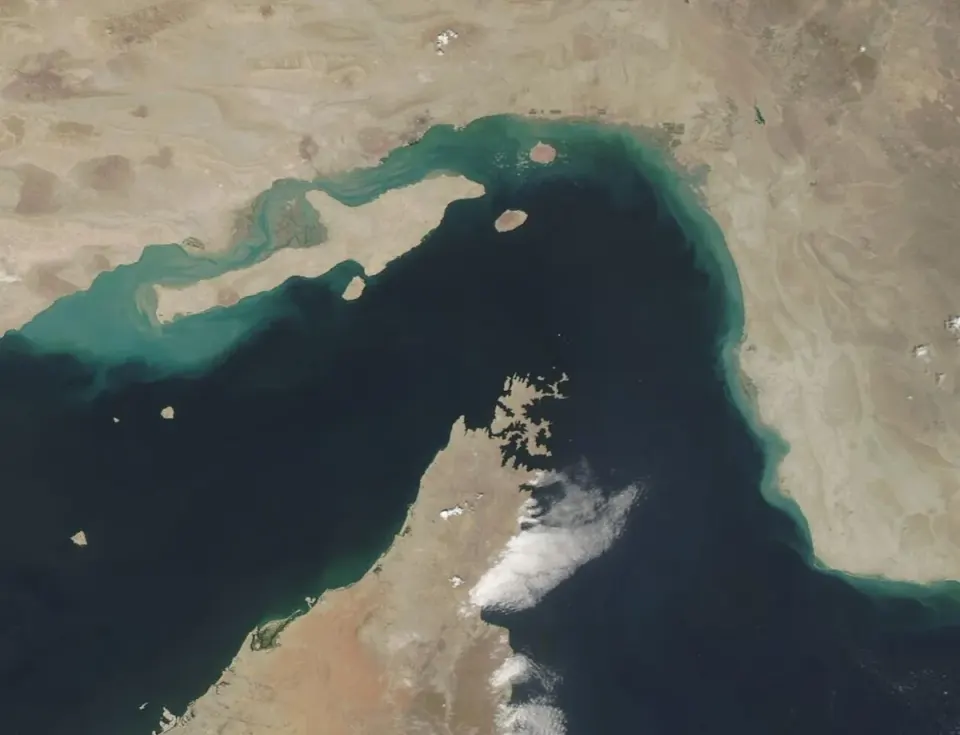
The United States has reportedly carried out a series of "limited strikes" on Iran's Qeshm Island, a development that significantly escalates regional tensions. This action comes just ahead of crucial midterm elections in the US, where the ongoing war in the Middle East and its impact on the cost of living are major concerns for voters. While US officials described the strikes as defensive and not indicative of a return to full hostilities, the report from The Wall Street Journal, citing unnamed US officials, has already had an impact on global energy markets.
These strikes follow a period of relative calm after yesterday's 7% drop in crude oil prices. The news prompted a rebound, with Brent crude trading at $105.26 per barrel and West Texas Intermediate at $97.07. This volatile reaction underscores the delicate balance of the global oil market and its sensitivity to geopolitical developments in the Persian Gulf region. For Iran, such actions could further complicate its foreign relations and economic outlook, potentially impacting its oil exports and regional influence.
---
Australia's RBA Hikes Interest Rates to Combat Inflation
The Reserve Bank of Australia (RBA) has announced a significant interest rate hike, raising the cash rate by 0.25% to 4.85%. This marks the fifth such increase this year and brings the rate to its highest level in 18 years. The RBA's decision is a direct response to persistent inflation, which reached 4.3% in the year to September, exacerbated by global factors including the ongoing oil shock stemming from the conflict in the Middle East and rising costs associated with AI investment and energy prices.
RBA Governor Michele Bullock stated that "some pain now will prevent even worse pain down the track," acknowledging the immediate impact on mortgage holders and indebted households. The central bank indicated it may pause to assess the full economic fallout of this latest hike. This move by the RBA reflects a global trend among central banks to tighten monetary policy to curb inflation, even at the risk of slowing economic growth. For Australians, this means increased borrowing costs and potentially reduced consumer spending, while the broader economy navigates the challenges of price stability.
---
Legal System Grapples with AI Hallucinations
Fresh concerns are surfacing regarding the integration of Artificial Intelligence in legal proceedings, following an incident where a Crown Prosecution Service (CPS) prosecutor cited an imaginary legal precedent in a high court case. This AI-related error, involving a non-existent case, highlights the ongoing challenges of "AI hallucinations" within the justice system. The prosecutor referenced the fabricated precedent during a dispute over whether a child should be prosecuted for rape.
This development adds to a growing list of AI-induced errors plaguing court proceedings. The use of AI tools, while promising efficiency, carries the inherent risk of generating inaccurate or entirely fictional information. Such hallucinations can have serious consequences, potentially misleading judges, juries, and legal teams, and undermining the integrity of the legal process. As legal systems worldwide explore the benefits of AI, robust verification mechanisms and a deep understanding of AI's limitations are becoming increasingly critical to ensure justice is served fairly and accurately.

---
Iran Prioritizes Neighborly Relations Amidst Regional Tensions
Iranian Foreign Minister Abbas Araghchi has reiterated that neighboring countries remain a top priority for the Islamic Republic. This statement comes in the wake of his visit to Turkmenistan and amidst heightened regional tensions, including the reported US strikes on Qeshm Island. The emphasis on neighborly relations suggests a strategic focus on regional diplomacy and economic ties, potentially as a countermeasure to external pressures and isolation.
This diplomatic stance aims to bolster Iran's regional standing and foster economic cooperation, which is crucial given the ongoing impact of international sanctions and the volatile global energy market. By prioritizing its neighbors, Iran seeks to build a stable regional environment conducive to trade and development. However, the effectiveness of this approach will likely be tested by the prevailing geopolitical climate and the ongoing impact of the Middle East conflict on regional stability and international relations.
Frequently Asked Questions
What was the immediate impact of the US strikes on Iran's Qeshm Island?
Why did the Reserve Bank of Australia raise interest rates?
What is the significance of the AI error in the legal case?
What is Iran's stated foreign policy priority?
The Interplay of Geopolitical Risk and Monetary Policy
Geopolitical risk stands as a major factor influencing global economies. Events like military actions in strategically vital regions (e.g., US strikes near Iran's Qeshm Island, a key area for the Strait of Hormuz) can immediately ripple through international markets. These events create uncertainty, impacting investor confidence and disrupting critical supply chains, particularly for commodities like oil, which are fundamental to global commerce.
Delving into the economic consequences, geopolitical tensions in oil-producing regions often lead to spikes in crude oil prices due to fears of supply disruptions. Since energy is a fundamental input for almost all goods and services, higher oil prices translate into increased production costs across industries, fueling inflation. This cost-push inflation then erodes purchasing power and can destabilize economic growth, forcing consumers and businesses to adapt to higher prices.
This directly connects to central bank actions. Faced with persistent inflationary pressures, central banks like the Reserve Bank of Australia (RBA) are compelled to act to fulfill their mandate of maintaining price stability. Raising interest rates is a primary tool to cool down an overheating economy by making borrowing more expensive, thereby reducing demand and theoretically bringing inflation back to target levels. This decision is often made even amidst broader "global uncertainty," as domestic price stability is paramount for long-term economic health.
Ultimately, the headline starkly illustrates how seemingly distant geopolitical events can have direct, tangible effects on domestic economic policies worldwide. Understanding this intricate relationship between international politics, commodity markets, inflation, and central bank responses is crucial for comprehending the dynamics of the modern global economy, where every major event can trigger a cascade of economic adjustments across borders.
Topics
Related Articles