
North Korea Denies Record $6.3B Binance Hack as Global Markets Brace for US Midterms
انکار هک ۶.۳ میلیارد دلاری بایننس توسط کره شمالی؛ تلاطم بازارها در آستانه انتخابات آمریکا
Pyongyang has dismissed the FBI's accusations of a massive $6.3 billion crypto heist as a 'political provocation,' while Saudi Aramco reports surging profits despite regional conflict. Meanwhile, Bitcoin has slipped below the $77,000 mark as investors turn cautious ahead of the US midterm elections.
At time of publishing
USD
273,800
Toman
Gold 18K
25.59M
Toman / gram
Bitcoin
$76,886
US Dollar
Tether
273,072
Toman
The $6.3 Billion Denial: North Korea vs. The FBI
In a move that has sent ripples through both the geopolitical and cybersecurity worlds, North Korea has officially denied any involvement in the record-breaking $6.3 billion hack of the Binance cryptocurrency exchange. The denial, issued through high-ranking official Kim Yo Jong, characterized the FBI's findings as a "political provocation" orchestrated by the United States. While U.S. intelligence agencies and independent cyber analysts have consistently pointed the finger at Pyongyang-linked groups like Lazarus for high-profile digital heists, this specific incident represents the largest single crypto theft in history. The scale of the breach has forced Binance to monitor withdrawal-to-deposit ratios closely, though the exchange reports that hourly deposits have begun to stabilize.

This confrontation highlights the increasing reliance of sanctioned states on decentralized finance to bypass traditional banking blocks. For the global crypto market, the incident serves as a stark reminder of the systemic risks posed by state-sponsored cyber warfare. Pyongyang’s counter-accusation—suggesting that the U.S. itself might have orchestrated the theft to frame North Korea—is a classic piece of geopolitical theater, but it does little to soothe the nerves of institutional investors who are already grappling with increased regulatory scrutiny. The fallout from this hack is likely to accelerate calls for more stringent international protocols on cross-border crypto transfers.
Saudi Aramco Surges Despite Regional Conflict
Despite the ongoing shadow of the "Iran war" and frequent infrastructure attacks by Houthi rebels, Saudi Aramco has reported a staggering 34% rise in net profits for the third quarter. The state-owned oil giant posted earnings of $36.25 billion, significantly beating analyst consensus. This financial windfall is largely attributed to elevated global oil prices, which have been driven higher by supply disruptions and the geopolitical risk premium associated with Middle Eastern instability. The company noted that even as its East-West pipeline and various headquarters have been targeted, its operational resilience has allowed it to capitalize on the very volatility that threatens regional peace.

For the global economy, Aramco's performance is a double-edged sword. While it demonstrates the robustness of the world's largest energy exporter, it also underscores the persistence of high energy costs that continue to fuel inflation in the West. The fact that profit margins are expanding during a period of active conflict suggests that the "war premium" on crude oil is currently outweighing the physical costs of damage to infrastructure. This trend is particularly relevant for Iranian markets, where the regional balance of power is inextricably linked to energy revenues and the ability of neighboring states to sustain their economies under fire.
Bitcoin Slips and Toman Rises Ahead of US Midterms
As of 14:00 Tehran time on Tuesday, November 3, 2026, the financial markets are exhibiting classic signs of pre-election jitters. Bitcoin (BTC) has dipped below the $77,000 threshold, currently trading at $76,886. Analysts attribute this decline to the "realized price" of recent buyers being breached, which could turn previous support levels into new resistance. The caution is almost entirely driven by the impending US midterm elections, where the outcome could drastically shift American foreign policy and economic regulations. Investors are moving toward safer assets, waiting to see if the Republican Party can capitalize on the current administration's perceived vulnerabilities.
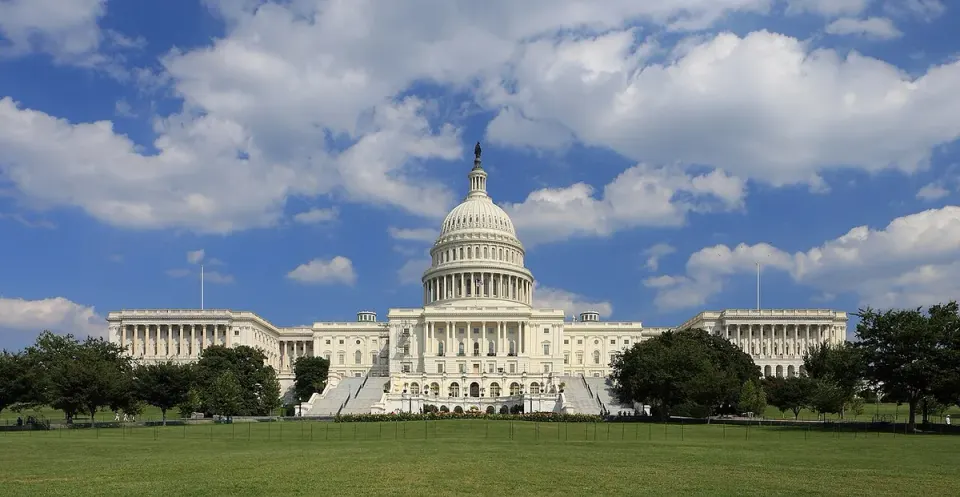
In the domestic Iranian market, the US Dollar (USD) has seen a modest rise, moving from 271,800 to 273,800 Toman, a 0.7% increase over the last 24 hours. Conversely, gold and coin prices have seen a slight cooling off, with 18k gold dropping 0.7% to 25,589,824 Toman per gram. This divergence suggests that while local demand for hard currency remains high as a hedge against regional uncertainty, the global dip in gold prices (now at $3,904.70/oz) is putting downward pressure on the Tehran gold market. Iranian First VP Mohammad-Reza Aref recently claimed that the US has failed to achieve its goals against Iran, but the continued sensitivity of the Toman to US political cycles tells a more complex story of economic interdependence and risk.
Frequently Asked Questions
چرا کره شمالی متهم به هک ۶.۳ میلیارد دلاری بایننس شده است؟
علت سقوط بیتکوین به زیر ۷۷ هزار دلار چیست؟
چگونه سود آرامکو با وجود حملات نظامی افزایش یافته است؟
Understanding the Lazarus Group: North Korea’s State‑Sponsored Cybercrime Machine
The Lazarus Group is a covert hacking organization that operates under the direction of North Korea’s Reconnaissance General Bureau, the country’s primary intelligence agency. Since its emergence in the early 2010s, Lazarus has been linked to a wide range of cyber‑attacks, from the 2014 Sony Pictures breach to the 2017 WannaCry ransomware epidemic, and more recently to high‑profile cryptocurrency thefts such as the alleged $6.3 billion hack of Binance. By targeting financial institutions, cryptocurrency exchanges, and even critical infrastructure, the group seeks to generate hard currency that can bypass the nation’s severe international sanctions.
Cryptocurrency has become a particularly attractive target because it offers a quasi‑anonymous, borderless conduit for moving value. Lazarus‑affiliated actors, often referred to as the “North Korean hacking team,” have refined techniques for infiltrating exchange hot wallets, deploying malware that scrapes private keys, and laundering stolen coins through mixers and decentralized finance (DeFi) protocols. The recent Binance incident illustrates how the group can exploit vulnerabilities in exchange security, siphon large sums of Bitcoin, and then quickly convert them into fiat or stablecoins before detection.
The financial gains from these operations are funneled back to the North Korean regime to fund its nuclear and missile programs, as well as to sustain everyday economic needs. To counter this, the United States Treasury’s Office of Foreign Assets Control (OFAC) has imposed sanctions on the Lazarus Group, its front companies, and individuals involved in the crypto supply chain. These sanctions aim to cut off the group’s access to the global financial system, making it harder to cash out illicit proceeds. However, the adaptive nature of the hackers—using privacy‑enhancing tools, peer‑to‑peer exchanges, and even state‑run crypto mining farms—means the threat remains dynamic.
For anyone interested in the broader implications, the Lazarus Group exemplifies how state‑sponsored cybercrime can blur the line between traditional espionage and organized financial crime. It also highlights the challenges regulators face in policing decentralized assets, where jurisdictional boundaries are fuzzy and enforcement tools are still evolving. Understanding the group’s tactics, motivations, and the international response provides valuable insight into the evolving landscape of cyber‑financial warfare.
Topics
Related Articles