US Strikes Qeshm Island as Midterm Polls Open; Toman Edges Higher Amid Regional Tension
حمله آمریکا به جزیره قشم همزمان با آغاز انتخابات میاندوره؛ نوسان محدود دلار در بازار تهران
The United States has conducted 'defensive' strikes on Iranian targets in the Strait of Hormuz just as crucial midterm elections begin. Meanwhile, Apple shares stumble on a weak outlook, and the Toman sees a 0.5% uptick in Tehran amid heightened geopolitical risk.
At time of publishing
USD
273,100
Toman
Gold 18K
25.57M
Toman / gram
Bitcoin
$77,348
US Dollar
Tether
272,466
Toman
Geopolitical Shock: US Strikes Qeshm Island Ahead of Midterms
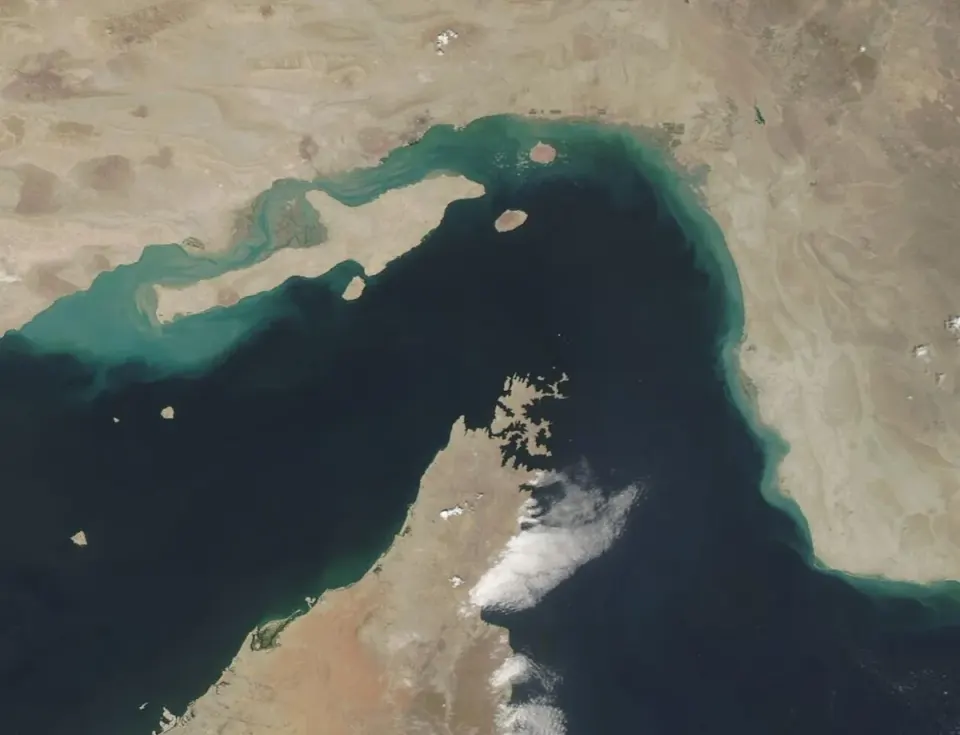
In a significant escalation of regional tensions, the United States conducted what officials termed "defensive strikes" against Iranian targets on Qeshm Island, located in the strategically vital Strait of Hormuz. The timing of the operation is particularly sensitive, occurring on the eve of the U.S. midterm elections, a period when domestic political pressure often intersects with foreign policy maneuvers. According to reports from France 24 and the Wall Street Journal, the strikes were aimed at neutralizing perceived threats to international shipping lanes, though the exact nature of the targets remains partially obscured by military secrecy. This move comes as President Trump has simultaneously signaled potential progress in long-term negotiations, creating a complex 'carrot and stick' dynamic that has left regional observers on high alert.
For the Iranian market, the reaction was immediate but measured. The USD/IRR exchange rate moved from 271,800 to 273,100, representing a 0.5% increase in the sell price of the dollar. While this isn't a full-scale panic, it reflects the growing 'risk premium' that traders are pricing into the Toman as the shadow of direct conflict looms over the Persian Gulf. Historically, strikes in the Strait of Hormuz have a direct correlation with volatility in Tehran’s informal markets, as any threat to the free flow of oil or trade capacity directly impacts Iran's already strained foreign currency reserves. Analysts suggest that if the conflict remains 'limited' as claimed by U.S. officials, the market may stabilize, but the uncertainty of the US election outcome adds a layer of unpredictability that is keeping gold and currency dealers cautious.
---
US Midterms: Market Gridlock and the Referendum on Trump
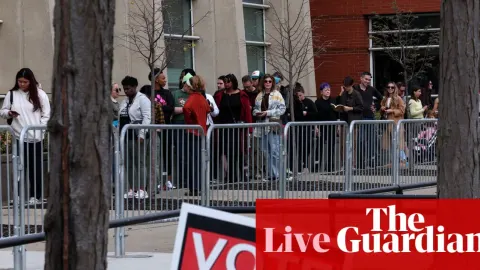
As Americans head to the polls today, the global financial community is bracing for a result that could redefine the final years of Donald Trump’s current presidency. The midterm elections are widely viewed as a referendum on the administration's aggressive foreign policy and its handling of the domestic economy. Democrats are campaigning on the hope of seizing control of Congress to act as a check on executive power, while Republicans are fighting to maintain their grip amid concerns over gasoline prices and the ongoing costs of international military engagements. The stock market, interestingly, often finds comfort in political 'gridlock'—a divided government that prevents radical legislative shifts—but the current environment is complicated by looming spending showdowns and the rising cost of living.
For investors, the stakes extend beyond partisan wins. A shift in Congressional control could lead to a reassessment of aid packages and trade policies that directly affect global supply chains. MarketWatch reports that while investors traditionally hope for an Election Day lift, the current focus is split between the ballot box and the Federal Reserve's next moves. In Tehran, the outcome is being watched for its impact on future sanctions and the possibility of a renewed nuclear or regional deal. If the midterms result in a significantly weakened presidency, the 'maximum pressure' approach might face domestic hurdles, potentially altering the trajectory of the Toman's value against the greenback in the coming months.
---
Corporate Shifts: Apple Stumbles as AI Reshapes the Workforce
In the technology sector, the narrative is being dominated by a mix of disappointing earnings and the disruptive power of Artificial Intelligence. Apple’s stock fell by 4.5% in premarket trading following an earnings report that left analysts concerned about the company’s gross margin outlook and a noticeable slowdown in services revenue growth. This decline is part of a broader trend where even the 'AI darlings' of Wall Street are facing intense scrutiny as investors look for concrete returns on massive infrastructure investments. The pressure on Apple highlights a growing skepticism about how quickly consumer-facing AI features can translate into the kind of explosive growth that justified recent valuation peaks.
Meanwhile, the human cost of the AI transition is becoming clearer. Virgin Media O2 announced plans to cut up to 25% of its 16,000-strong workforce—approximately 4,000 jobs—as part of an £800 million cost-saving drive. The telecommunications giant explicitly cited the increased use of AI in customer service and operational roles as a key driver for these redundancies. This trend is not isolated; across the Atlantic and Europe, companies are aggressively pivoting toward automation to service massive debt piles. However, AI is also driving huge infrastructure deals, such as the £20 billion project to turn the UK’s most polluting power plant at Drax into a massive AI datacenter. This duality—of job losses on one hand and massive industrial investment on the other—is becoming the defining economic paradox of late 2026.

Frequently Asked Questions
چرا حمله به جزیره قشم بر قیمت دلار در تهران تاثیر گذاشت؟
تاثیر انتخابات میاندوره آمریکا بر اقتصاد ایران چیست؟
چرا با وجود تنش نظامی، قیمت طلا در بازار ایران کاهش یافت؟
Sanctions, Currency Devaluation, and the Rise of the Iranian Toman
When a country faces extensive international sanctions, its economy often experiences a sharp depreciation of its currency. In Iran's case, U.S. sanctions targeting oil exports, banking, and technology have limited the flow of foreign dollars, creating a chronic shortage of hard currency. With fewer dollars available to purchase the rial (the official unit) or the Toman (the unofficial unit used in everyday transactions), the exchange rate spirals upward, meaning more rials are needed to buy a single U.S. dollar. This devaluation erodes purchasing power, fuels inflation, and pushes Iranians toward alternative stores of value such as gold or foreign currencies.
The mechanics of devaluation are straightforward: when demand for a currency falls relative to supply, its price drops. Sanctions cut demand by restricting Iran's ability to earn dollars through oil sales and by blocking its banks from the global SWIFT network. Simultaneously, the government often prints more rial to finance deficits, swelling the supply. The combined effect is a rapid slide in the rial‑to‑dollar rate, which is reflected in the unofficial Toman market where prices can diverge sharply from the official rate set by the Central Bank of Iran.
A devalued currency can have paradoxical short‑term effects. While it makes imports more expensive, it also makes Iranian exports cheaper for foreign buyers, potentially boosting trade volumes in sectors not under sanctions. However, the overall impact is usually negative: higher import costs raise the price of essential goods, stoking inflation, and eroding real wages. Many Iranians respond by turning to gold, which has historically served as a hedge against currency risk; this is why gold prices in Tehran often surge during periods of heightened tension, such as after a U.S. military strike.
Understanding this dynamic helps explain why headlines report the Toman edging higher even amid geopolitical crises. The "higher" figure refers to the number of rials needed per dollar, not an appreciation of the Iranian currency. It also underscores why investors watch sanctions‑related news closely: any change in the sanctions regime can instantly shift expectations about future devaluation, influencing everything from stock markets to everyday consumer prices.
For a deeper dive, see the linked resources that outline Iran's sanction history, the technical process of currency devaluation, and the role of gold as a safe‑haven asset in sanction‑hit economies.