US Midterms 2026: Polls Open as Trump’s Iran Strategy and Global Markets Face a Decisive Referendum
انتخابات میاندورهای ۲۰۲۶ آمریکا؛ رفراندوم بر سر استراتژی جنگی ترامپ علیه ایران و آینده بازارها
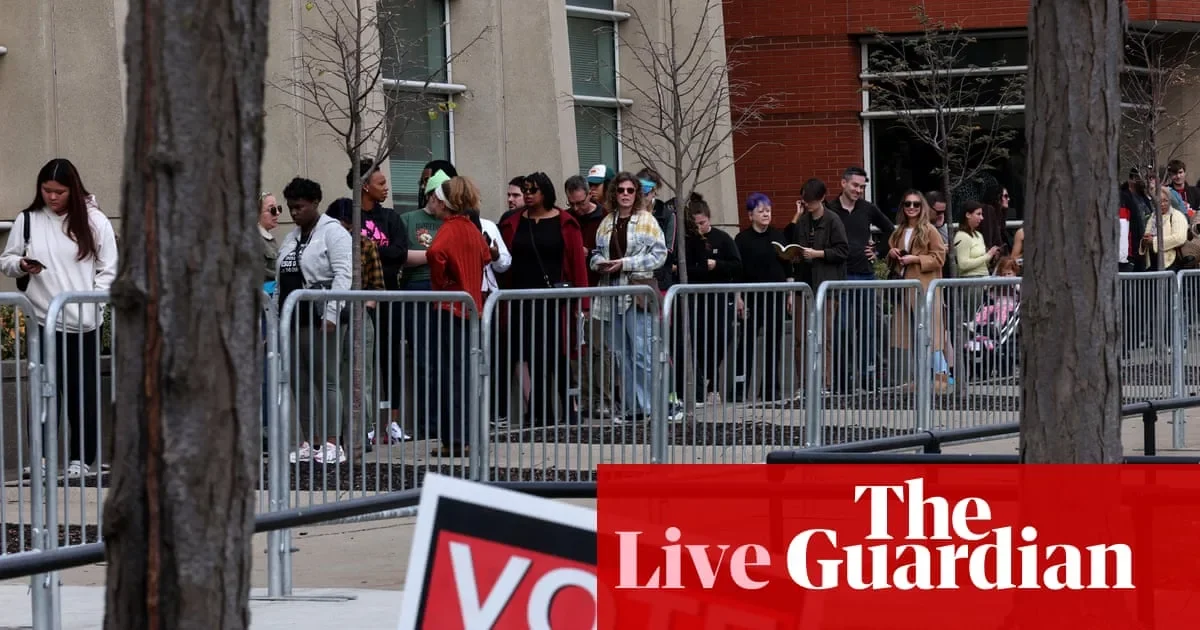
Americans head to the polls today in a high-stakes midterm election that serves as a referendum on Donald Trump’s second-term policies, particularly his aggressive stance toward Iran. As the Strait of Hormuz remains a flashpoint for global energy prices, the outcome will determine control of Congress and the future of US-Middle East relations.
At time of publishing
USD
273,200
Toman
Gold 18K
25.61M
Toman / gram
Bitcoin
$77,096
US Dollar
Tether
272,839
Toman
The Midterm Referendum: Trump’s Agenda at a Crossroads
As of 15:00 Tehran time on Tuesday, November 3, 2026, polls have begun opening across the United States for the 2026 midterm elections. This cycle is widely viewed as a critical referendum on Donald Trump’s second term, with the control of both the House and Senate hanging in the balance. For Iranian observers and global markets, the stakes could not be higher. Voters are primarily focused on the domestic economy, which despite Trump’s 2024 campaign promises, remains volatile. However, the shadow of foreign policy—specifically the administration's direct military friction with the Tehran regime—is looming large over the ballot box.
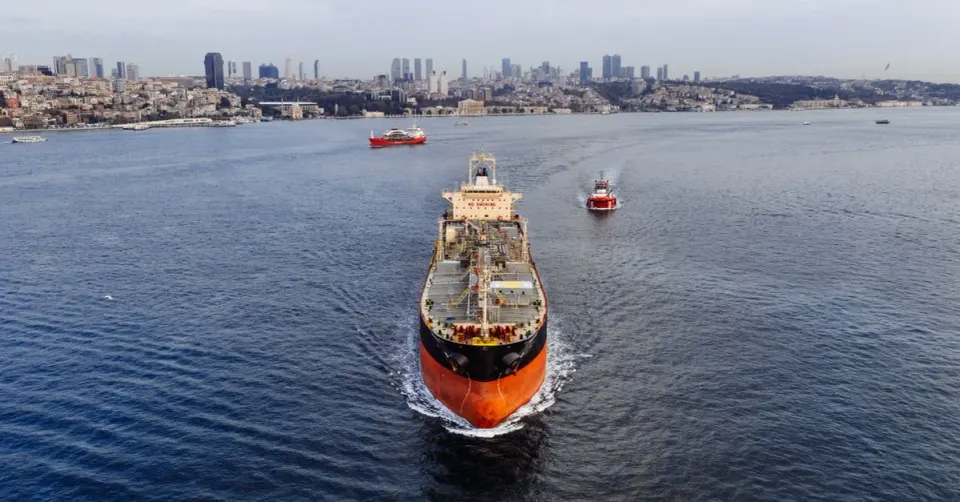
Trump’s decision to move toward a more confrontational posture with Iran has had immediate economic consequences for American voters. The retaliatory threats and the subsequent disruptions in the Strait of Hormuz have driven up gasoline prices at US pumps, creating a political liability for Republicans. While Trump has touted his closure of the southern border as a landmark achievement, his critics argue that he has failed to deliver on his promise to end "forever wars," instead drawing the US into a potential new conflict in the Middle East. If Democrats manage to seize control of the House, it would impose the first significant legislative constraints on Trump since his return to office in 2025.

Gulf Nations Scramble as War Shadows Loom
While Americans vote, the Middle East is bracing for what many fear could be a renewal of large-scale conflict. Gulf Arab nations, including Saudi Arabia and the UAE, are currently engaged in a flurry of high-level mediation efforts to avert a full-scale war between Washington and Tehran. These countries, which sit on the front lines of any potential escalation, fear that a direct military confrontation would be far more devastating than previous skirmishes. The "Midterm Deadline" set by the Trump administration has created a sense of urgency, with regional leaders attempting to find a diplomatic off-ramp before the political landscape in Washington shifts further.
The economic stakes for the region are tied directly to energy infrastructure. Saudi Aramco recently reported a third-quarter profit of $31.2 billion, beating expectations despite ongoing attacks on its assets, including the East-West pipeline that bypasses the Strait of Hormuz. The resilience of these energy giants is being tested by the constant threat of supply disruptions. For Iran, the pressure is multifaceted: the internal economic crisis is exacerbated by the threat of renewed strikes, while the government continues to use the threat of maritime blockades as its primary leverage against international sanctions. This cycle of escalation has kept global oil markets on edge, with analysts warning that a Republican loss today might lead to even more unpredictable foreign policy moves from the White House in the coming months.
Market Reaction: Toman Rises Amid Global Uncertainty
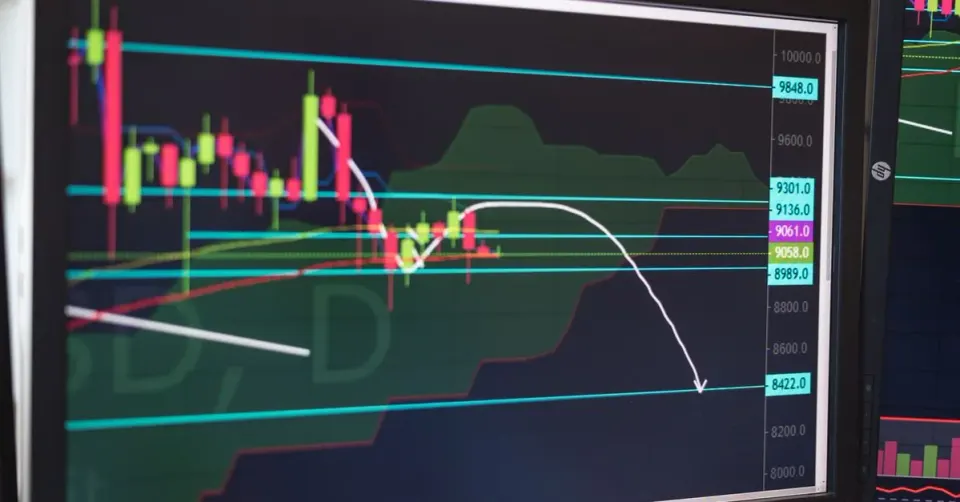
In the Iranian domestic market, the exchange rate for the US Dollar has shown a slight upward trend as traders hedge against the uncertainty of the US election results. The USD sell rate moved from 271,800 to 273,200 Toman, marking a 0.5% increase over the last 24 hours. This modest rise reflects a "wait-and-see" approach among local investors, who are closely watching whether a Democratic surge in the US might lead to a softening of sanctions or if a Republican victory will solidify the current path of maximum pressure. Meanwhile, the price of 18k gold per gram saw a slight decline of 0.6%, dropping to 25,612,909 Toman, as some investors rotated capital toward the dollar or crypto assets.
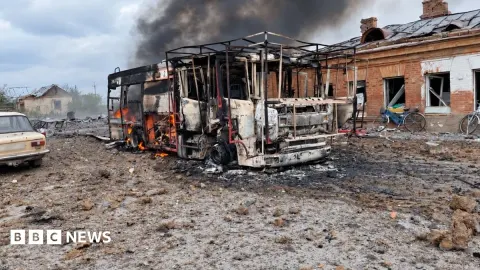
In the cryptocurrency sector, Bitcoin (BTC) remains a focal point of stability, trading at $77,096. While the broader market is sensitive to the US political climate, crypto is increasingly viewed as a hedge against the geopolitical risks currently manifesting in the Middle East and Eastern Europe. Specifically, the news of a devastating Russian strike on a Ukrainian humanitarian aid site, which killed 29 people, has added to the global sense of instability. As the US election results begin to trickle in later tonight, we expect significant volatility across all asset classes, from the Tehran gold market to the New York Stock Exchange, as the world prepares for the next chapter of American governance.
Frequently Asked Questions
چرا انتخابات میاندورهای ۲۰۲۶ آمریکا برای ایران اهمیت حیاتی دارد؟
دلیل نوسان محدود قیمت دلار در بازار تهران با وجود اخبار جنگ چیست؟
بسته شدن تنگه هرمز چه تاثیری بر انتخابات آمریکا داشته است؟
Understanding the Geopolitical Risk Premium
When headlines speak of potential conflicts in critical choke points like the Strait of Hormuz, shifts in major power policies such as Trump's Iran strategy, or the impact on global markets and currencies like the USD/IRR, a crucial concept comes into play: the Geopolitical Risk Premium. This term refers to the additional return that investors demand for holding assets in an environment perceived to be politically unstable or prone to conflict. It's essentially a surcharge for uncertainty, reflecting the market's assessment of potential disruptions to trade, supply chains, or economic stability.
This premium manifests in various ways across financial markets. For instance, fears of disruptions in the Strait of Hormuz, a vital passageway for global oil shipments, can immediately drive up crude oil prices. This isn't necessarily due to an actual supply cut, but rather the fear of one, leading traders to price in a higher risk. Consequently, profits for major oil producers like Saudi Aramco might fluctuate, and energy-importing nations face higher costs. Similarly, during periods of heightened geopolitical tension, investors often flock to traditional safe-haven assets like gold, pushing its price higher, as seen in Tehran's market.
Currency markets are also highly sensitive to geopolitical risk. A country facing sanctions or potential conflict, like Iran, often sees its national currency (e.g., the Toman against the USD) depreciate as investors divest or demand a higher premium to hold it. Even cryptocurrencies like Bitcoin, while sometimes seen as a hedge against traditional financial systems, can react to broader market sentiment driven by geopolitical events. The interplay of US midterm elections and a former president's foreign policy stances adds another layer of policy uncertainty, which markets must then factor into their risk assessments. Understanding the geopolitical risk premium helps explain why global markets, from oil to gold to currencies, react so sharply to political developments and potential conflicts.