Oil Plummets 8% on Hormuz Peace Signals as Bambu Lab Unveils 3D Printing Revolution
سقوط ۸ درصدی نفت با سیگنال صلح در هرمز؛ انقلاب پرینت سهبعدی با محصول جدید بامبو لب
Global oil markets witnessed a dramatic 8% crash following Iran's signals to reopen the Strait of Hormuz, while the tech sector faces a manufacturing shift with Bambu Lab's nine-nozzle 3D printer. In Tehran, gold prices have retreated by 1.1% as regional tensions show signs of a strategic thaw.
At time of publishing
USD
271,700
Toman
Gold 18K
25.49M
Toman / gram
Bitcoin
$77,197
US Dollar
Tether
270,850
Toman
The 3D Printing Revolution: Bambu Lab’s H3C Changes the Game
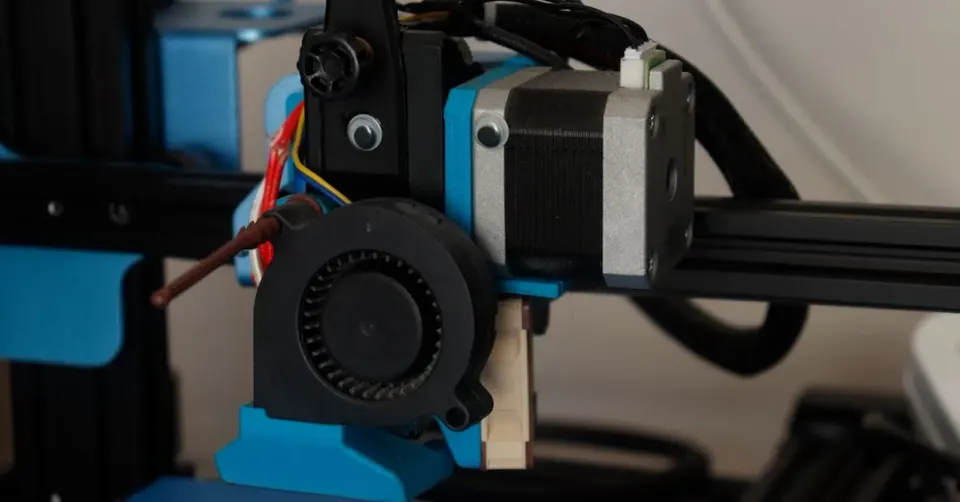
The manufacturing landscape has shifted significantly this hour with the unveiling of the Bambu Lab H3C, a nine-nozzle 3D printer that many industry experts believe foretells the future of localized production. Unlike traditional consumer printers that struggle with multi-material transitions, the H3C allows for the simultaneous mixing of colors and materials—ranging from soft elastomers to high-strength carbon fibers—within a single print job. This evolution moves 3D printing away from being a mere hobbyist's tool and into the realm of serious industrial prototyping and small-scale manufacturing, potentially allowing users to bypass complex global supply chains.
For the Iranian market, this technological leap carries profound implications. In an economy often hampered by sanctions and the difficulty of importing specialized spare parts, the ability to print complex, multi-material components domestically could provide a critical relief valve for small businesses and tech startups. As localized manufacturing becomes more sophisticated and accessible, the dependence on traditional trade routes for high-tech components may diminish, offering a new path for Iranian engineers to innovate despite external constraints. This development suggests a future where the physical movement of goods is replaced by the digital movement of design files.
Global Oil Markets Crash as the Strait of Hormuz Signals Reopening
Global energy markets were sent into a tailspin today as Brent and WTI crude prices plummeted by approximately 8%. This massive sell-off followed reports of intensive diplomatic mediation and a significant signal from Tehran indicating a readiness to reopen the Strait of Hormuz, provided specific US conditions are met. The potential restoration of one of the world's most vital maritime choke points has immediately stripped the 'war premium' from oil prices, as traders react to the prospect of stabilized supply routes. This shift comes at a critical moment, just as Indian refiners like BPCL were seen shifting toward US WTI crude, paying premiums of $18 per barrel over Dated Brent to secure supplies amid previous freight volatility.
The 8% drop in oil prices is not merely a statistical anomaly; it represents a fundamental reassessment of geopolitical risk in the Middle East. If the Strait of Hormuz remains open and stable, the inflationary pressures that have gripped the global economy for much of 2026 could begin to ease. For Iran, while lower oil prices generally mean less revenue per barrel, the reopening of the Strait could lead to higher export volumes and a reduction in the massive insurance and freight costs that have plagued its maritime trade. The market is now watching closely to see if this diplomatic rhetoric translates into concrete naval de-escalation.
Military Strategy and the Hand of Diplomacy
Complementing the shift in oil markets, Brigadier General Alireza Sheikh, a senior coordinator in the Iranian Army, emphasized today that the Armed Forces are intentionally positioning themselves to strengthen the country's diplomatic leverage. According to state media reports, the General stated that military readiness is designed to ensure that diplomats can negotiate from a "position of strength." This rhetoric aligns with the broader regional cooling observed in the energy markets, suggesting that the recent military posturing was a calculated prelude to the current diplomatic overtures regarding the Strait of Hormuz and regional security arrangements.
This "military-backed diplomacy" narrative serves two purposes: it reassures domestic hardliners that no concessions are being made out of weakness, while signaling to international mediators that Tehran is ready for a deal if the price is right. For the average Iranian citizen, this strategic pivot is reflected in the stabilization of the currency. The USD/IRR rate remained flat at 271,700 Toman, showing that the market has already priced in the current level of tension and is waiting for a definitive diplomatic breakthrough before making its next move. The lack of a further spike in the dollar suggests a cautious optimism among local traders.
Market Snapshot: Gold Retreats as Toman Holds Steady
In the Tehran markets on Tuesday, November 3, 2026 (سهشنبه ۱۲ آبان ۱۴۰۵), we are seeing a notable retreat in gold prices. Gold 18k per gram dropped from 25,774,504 to 25,485,941 Toman, a decline of 1.1%. Similarly, the Emami coin saw a 0.4% decrease, moving from 263,500,000 to 262,500,000 Toman. This downward trend in gold is a direct consequence of the cooling geopolitical temperature; as the threat of immediate conflict in the Persian Gulf recedes, investors are moving out of safe-haven assets and back into more liquid positions. The fact that the US dollar has remained unchanged at 271,700 Toman indicates that the Rial is finding a temporary floor, supported by the prospect of reopened trade routes.
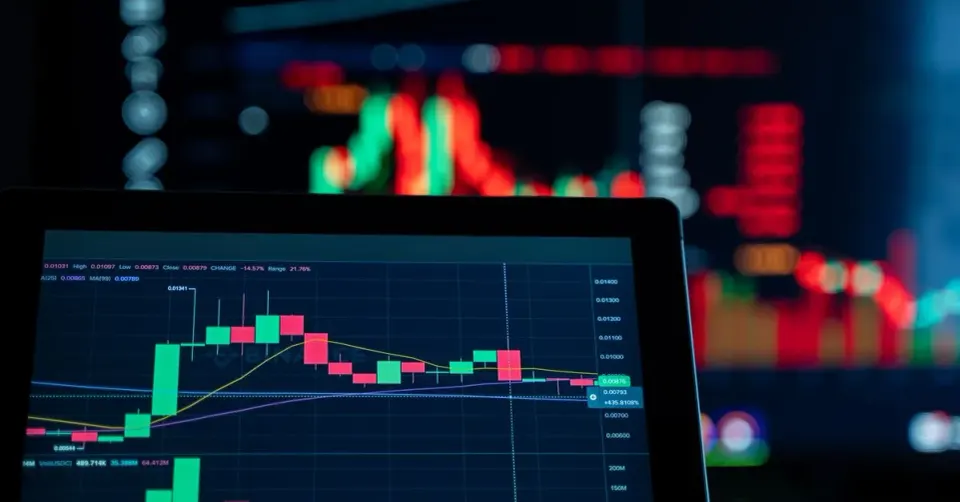
Meanwhile, the cryptocurrency market remains a focal point of volatility as the US enters its midterm election cycle. Bitcoin (BTC) is currently trading at $77,197, as investors weigh the impact of potential new regulations following a massive $176 million spending spree by crypto lobbying groups. For Iranian crypto users, the stability of the Tether (USDT) rate at 270,850 Toman remains the primary metric for preserving capital, acting as a bridge between the fluctuating global digital asset market and the local economy. As global oil prices fall and regional diplomacy takes center stage, the coming hours will be critical in determining whether the current Toman stability can be sustained.
Frequently Asked Questions
Why did global oil prices drop by 8% today?
What is significant about the Bambu Lab H3C printer?
How did the Tehran gold market react to the news?
Is the US dollar price changing in Iran?
The Geopolitical Significance of the Strait of Hormuz
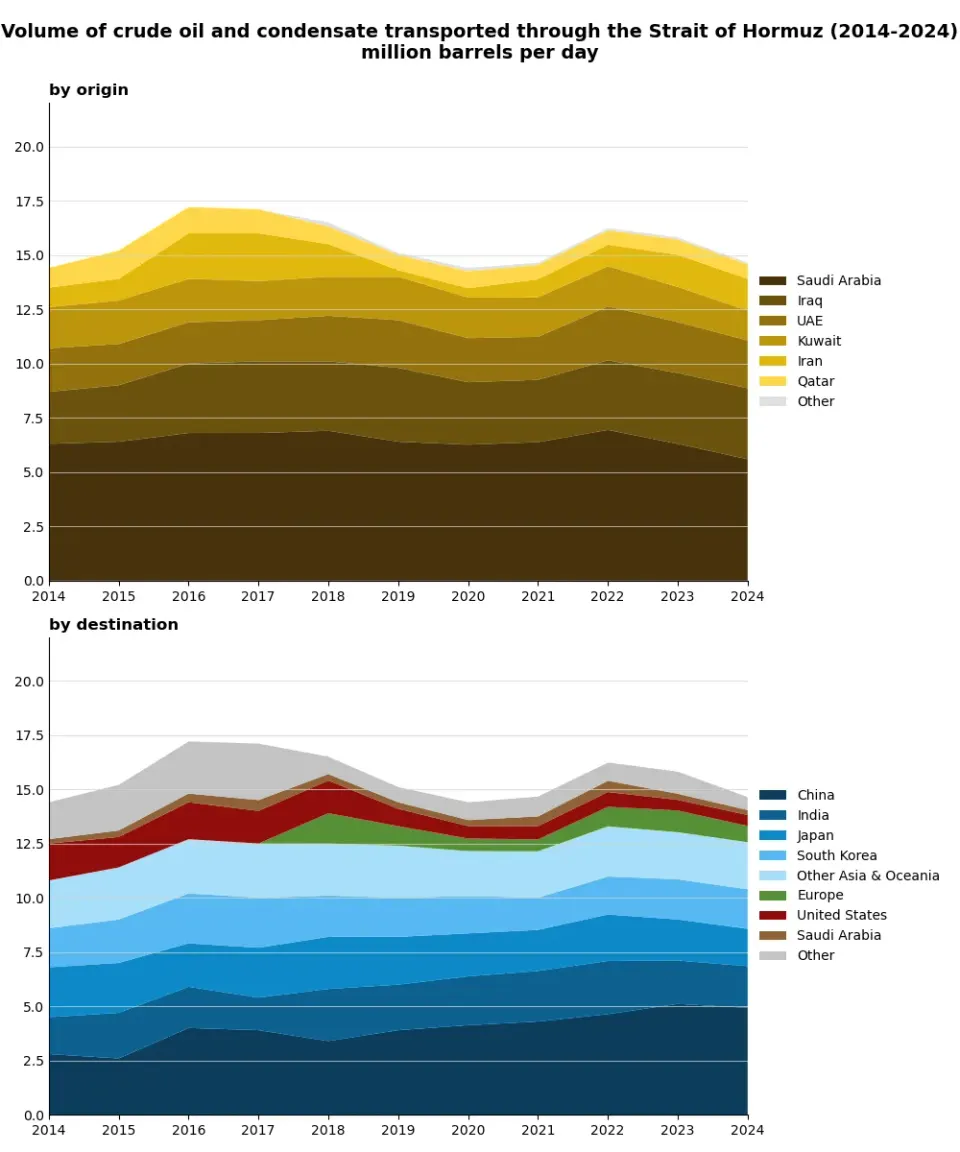
The Strait of Hormuz is not just a body of water; it's a critical geopolitical choke point that significantly influences global energy markets and international relations. Located between Oman and Iran, this narrow waterway connects the Persian Gulf to the Arabian Sea and the broader Indian Ocean. Its strategic importance stems from the fact that it is the only sea passage from the Persian Gulf to the open ocean, making it an indispensable route for the vast majority of oil and liquefied natural gas (LNG) exports from major producers like Saudi Arabia, Iran, UAE, Kuwait, and Iraq.
Economically, the Strait of Hormuz is unparalleled in its importance to global energy security. A substantial portion of the world's seaborne crude oil and petroleum products, often cited as around 20-30% of global consumption, transits through this strait daily. Any threat of disruption, whether from geopolitical tensions, military incidents, or even perceived "peace signals," can trigger immediate and dramatic shifts in international oil prices. The mere suggestion of easing tensions, as seen in the headline, can lead to significant price drops as the market anticipates a more stable supply, while heightened conflict fears cause prices to surge.
From a geopolitical perspective, the Strait of Hormuz is a flashpoint. Iran, bordering the northern side of the strait, has historically asserted its ability to close the waterway, often in response to international sanctions or military pressures. This stance creates a perpetual state of vigilance among global powers, particularly those dependent on Middle Eastern oil. International naval forces, including those of the United States, maintain a presence in the region to ensure the freedom of navigation, underscoring the strait's role as a major theatre for geopolitical maneuvering and a barometer for regional stability.
Understanding the Strait of Hormuz is crucial for anyone seeking to grasp the intricate interplay between geography, economics, and international politics. Its status as a vital energy artery means that events, however localized, can send ripples across the global economy, affecting everything from fuel prices at the pump to the strategic calculations of nations worldwide.