Russell Brand Trial Goes to Jury as Midterm Caution Hits Markets and Oil Slips
دادگاه راسل برند به مرحله صدور حکم رسید؛ سایه سنگین انتخابات آمریکا بر بازار ارز و طلا
As the jury deliberates in the high-profile Russell Brand sexual assault trial, global markets are retreating into a defensive posture ahead of the US midterms. In Iran, gold and coin prices have edged lower following reports of a potential diplomatic opening in the Gulf.
At time of publishing
USD
271,600
Toman
Gold 18K
25.50M
Toman / gram
Bitcoin
$77,450
US Dollar
Tether
271,571
Toman
The Fate of Russell Brand Lies with the Jury
The three-week trial of comedian and actor Russell Brand has reached its critical conclusion at Southwark Crown Court. After hearing testimony from six women regarding allegations of rape and sexual assault spanning a decade from 1999 to 2009, the jury has officially retired to consider its verdicts. The prosecution has framed Brand as a "ruthless, calculated, and manipulative sexual predator" who exploited his fame to target vulnerable women, while Brand has consistently denied all seven charges, maintaining that his encounters were always consensual.
Judge Richard Marks told the jurors that he would only be able to accept unanimous decisions on the charges, emphasizing the gravity of the legal threshold required for a conviction. For many observers, this case is seen as a litmus test for the enduring impact of the #MeToo movement and the legal system's ability to prosecute historical allegations against high-profile figures. The outcome will likely have significant ramifications for the entertainment industry and the public's perception of celebrity accountability, especially given Brand's pivot in recent years toward alternative media and political commentary.

Geopolitical Tensions and the Humanitarian Toll in Ukraine
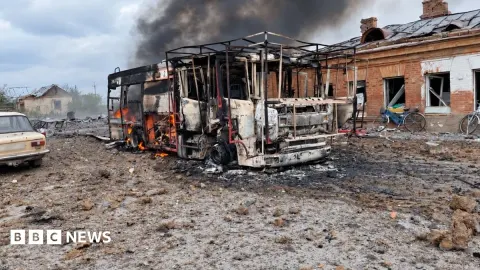
While legal battles dominate the cultural headlines, the conflict in Ukraine has seen one of its deadliest incidents in recent months. A Russian strike on a humanitarian hub in Ukraine has reportedly killed at least 31 people and left dozens missing. This escalation comes at a paradoxical moment; almost immediately following the strike, the United States announced that peace talks between the warring parties could potentially resume after a nine-month hiatus. This juxtaposition of intense violence and diplomatic signaling has left global markets on edge, as investors struggle to price in the true direction of the conflict.
For Iranian observers, these developments are more than just distant news. The ongoing war in Ukraine continues to influence global energy prices and the geopolitical alignment of the Middle East. With reports of U.S. strikes on Qeshm Island earlier this week and conflicting signals about U.S.-Iran negotiations, the volatility in Ukraine adds another layer of uncertainty to the regional security landscape. The International Energy Agency (IEA) has already warned that the global gas crunch could last well into 2027, largely due to the instability in the Strait of Hormuz and the continued disruption of traditional supply routes.

US Midterms and the 'Wobbling' AI Trade
As Americans head to the polls for the 2026 midterm elections, Wall Street is bracing for a potential shift in the balance of power. While Democrats are currently favored to take control of both the House and the Senate, investors are looking beyond the national results to specific races that could dictate the future of technology policy. The Texas governor’s race, in particular, has emerged as a "make-or-break" contest for the artificial intelligence sector. Policy decisions at the state level in tech hubs like Texas could significantly impact the regulatory environment for AI development and data center expansion.
This political uncertainty is reflected in recent market performance. Palantir's stock saw a decline despite reporting what analysts called a "bombastic" quarter, as Wall Street grew concerned over a deceleration in U.S. commercial contract growth. Similarly, Shopify's stock slid after missing revenue expectations, signaling that the tech market is becoming increasingly less forgiving. For the Iranian market, a shift in U.S. political control often translates to changes in sanction enforcement and diplomatic posture, which directly impacts the value of the Toman and the long-term outlook for trade.
Domestic Markets: Gold and Currency Retreat
In the domestic Iranian market today, Tuesday, November 3, 2026, we have observed a slight cooling of the recent price surges. The USD/IRR exchange rate moved from 271,800 to 271,600, representing a minor decrease of 0.1%. This relative stability in the currency market comes as traders digest reports from Qatar suggesting that efforts to bridge the differences between Tehran and Washington are ongoing. Despite the Secretary of the Supreme National Security Council, Mohsen Rezaei, dismissing the U.S. response as "unconvincing," the market appears to be holding its breath for a more concrete diplomatic breakthrough.
Gold and coin prices saw a more pronounced decline today. Gold 18k per gram fell from 25,774,504 to 25,502,100 Toman, a drop of 1.1%. Similarly, the Emami coin decreased from 263,500,000 to 261,500,000 Toman (-0.8%). These moves are likely a reaction to the "flash crash" in Brent crude oil prices, which briefly dipped toward $100 before recovering. As the Dubai oil benchmark slips into contango for the first time since July, indicating that supply may be starting to exceed demand, the speculative pressure on gold as a hedge against regional conflict has eased slightly for the hour.
Frequently Asked Questions
چرا دادگاه راسل برند برای بازارها اهمیت دارد؟
تأثیر انتخابات میاندورهای آمریکا بر قیمت دلار در ایران چیست؟
علت اصلی کاهش قیمت طلا در بازار امروز تهران چه بود؟
Understanding Geopolitical Risk Premium in Global Markets
The financial world is a complex web, and one crucial concept for understanding market movements, especially in volatile times, is the Geopolitical Risk Premium (GRP). This premium represents the additional return or compensation that investors demand for holding assets that are exposed to political instability, conflicts, policy uncertainty, or other non-economic events originating from international relations and domestic political landscapes. It's not just about wars; it encompasses everything from upcoming elections and trade disputes to regional tensions and sanctions, all of which can introduce uncertainty about future economic conditions or asset values.
GRP manifests in various ways across different markets. For commodities like oil and gas, a significant portion of their price often includes a GRP, reflecting the potential for supply disruptions in critical regions like the Strait of Hormuz or due to conflicts such as the Ukraine war. When geopolitical tensions escalate, this premium typically rises, pushing prices higher. Conversely, a reduction in perceived risk can lead to the premium shrinking, causing prices to fall. Equity markets might experience increased volatility, capital flight, or depressed valuations as investors become more risk-averse.
The keywords provided illustrate several facets of GRP in action. The "US Midterms 2026", while future-dated, highlight how political cycles introduce policy uncertainty that can affect investor confidence and market direction. The "Ukraine war news" is a clear and ongoing driver of GRP, impacting global energy prices, food security, and supply chains. Similarly, the strategic importance of the "Strait of Hormuz gas" means that any tensions in that region immediately translate into a GRP for global energy markets, regardless of immediate supply changes. Even the "Gold price Iran" can be influenced by domestic and regional geopolitical risks, as gold often serves as a safe-haven asset during times of elevated uncertainty.
While the headline mentions "Oil Slips" despite geopolitical caution, this can be a nuanced reaction. Sometimes, geopolitical events that threaten global growth (like prolonged conflict or policy gridlock) can lead to fears of reduced demand, offsetting the supply-side GRP and causing prices to decline. However, the underlying principle remains: geopolitical factors are consistently priced into assets, demanding careful consideration from market participants and policymakers alike.