Israeli Claims of Iranian Chemical Weapons Shake Markets Amid US Midterm Voting
ادعای تسلیحات شیمیایی اسرائیل علیه ایران در بحبوحه انتخابات میاندورهای آمریکا
As Americans head to the polls for the 2026 midterms, Israeli intelligence claims regarding Iranian chemical weapons have divided US officials. Meanwhile, energy experts warn that the ongoing regional conflict has tripled logistics costs, putting immense pressure on global gas supplies until 2027.
At time of publishing
USD
271,500
Toman
Gold 18K
25.45M
Toman / gram
Bitcoin
$77,595
US Dollar
Tether
271,161
Toman
Intelligence Claims and Diplomatic Friction
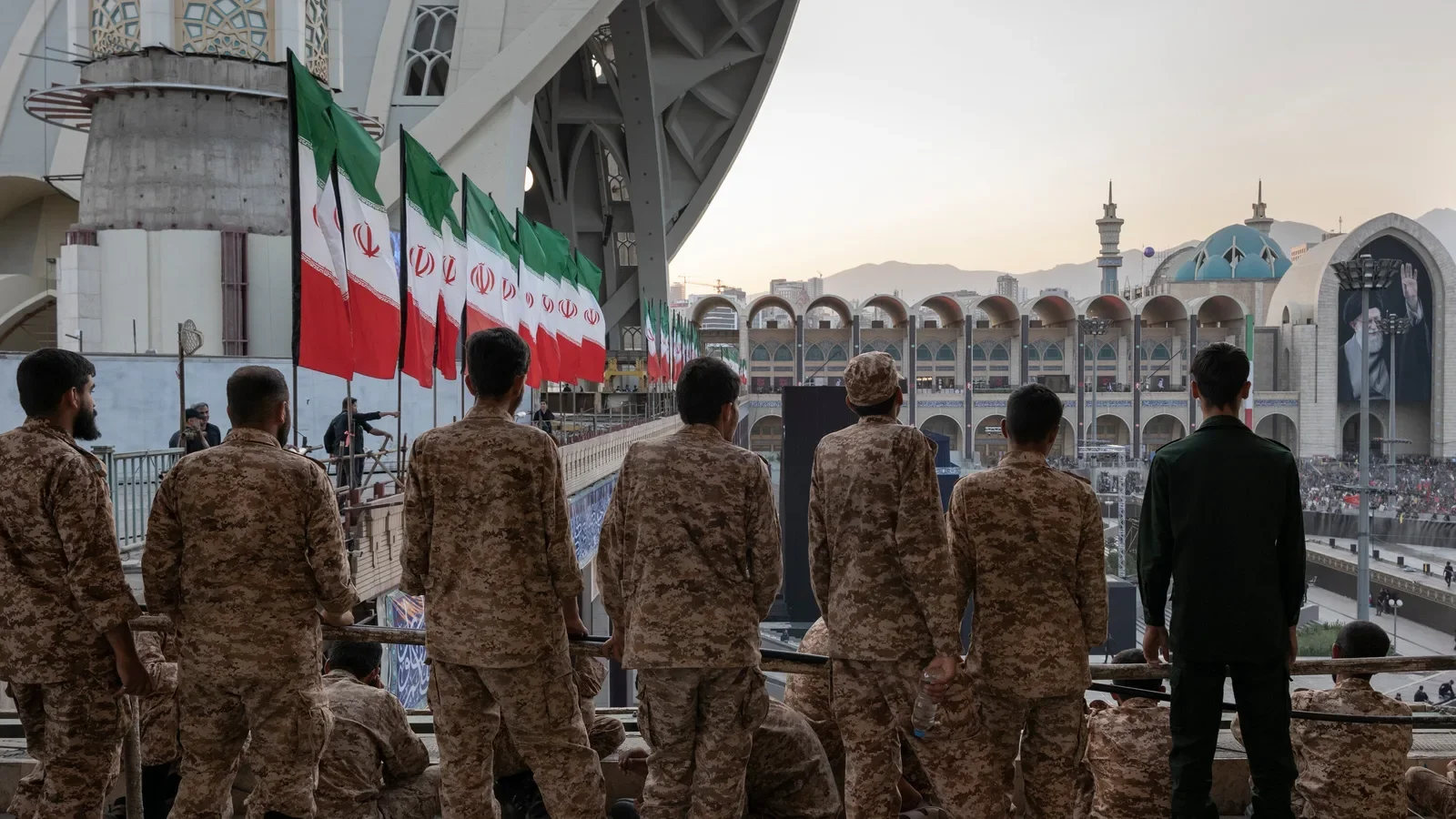
At the height of regional tensions, Israeli Prime Minister Benjamin Netanyahu has reportedly presented new intelligence claims suggesting that Iran possesses or is developing chemical weapons. This development has created a visible rift within the United States administration. While some hawks view the data as a justification for expanded military operations, other officials are skeptical, suggesting that the timing is intended to pull the Trump administration into a deeper conflict just as American voters decide the future of Congress. This escalation comes at a delicate moment, as the threat of chemical warfare adds a terrifying layer to the existing conventional and maritime conflict in the Persian Gulf.
For the Iranian public and regional markets, these claims are more than just rhetoric; they signal a potential shift toward even more aggressive international sanctions or direct kinetic action. The uncertainty surrounding the validity of these reports has kept the currency markets on edge. Although the USD/IRR remained relatively stable today, moving from 271,800 to 271,500 Toman (-0.1%), any confirmation or further escalation regarding unconventional weapons could trigger a rapid flight to hard assets. This intelligence leak is perceived by many analysts as a strategic move to lock in a hardline U.S. policy toward Tehran regardless of the midterm election outcomes.

The 2026 US Midterms: A Referendum on War
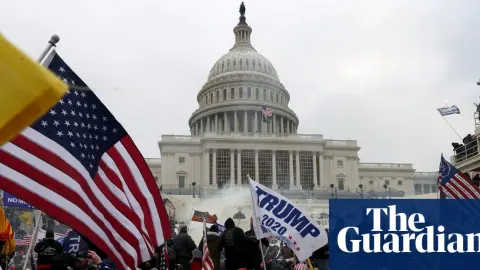
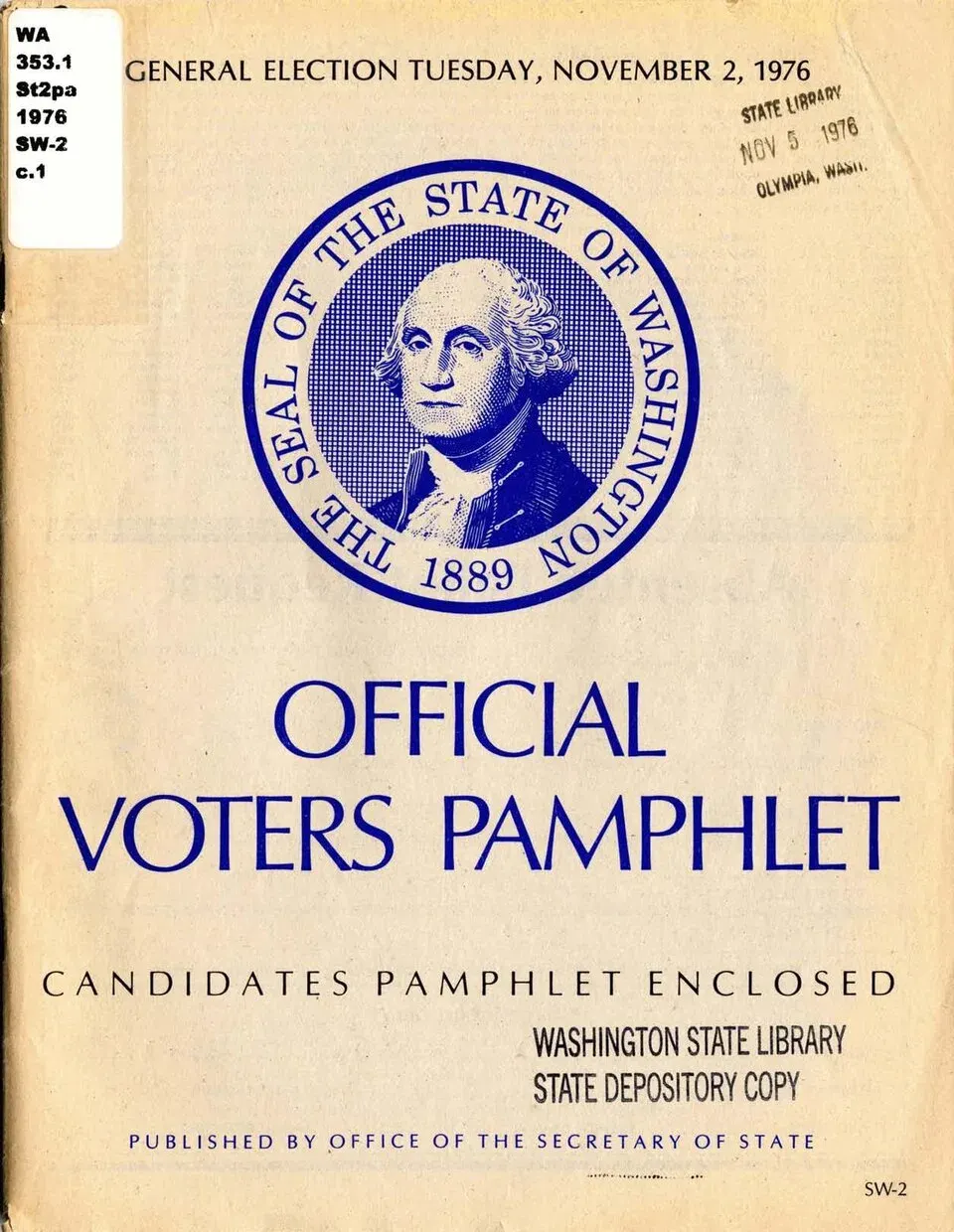
Today, Tuesday, November 3, 2026, millions of Americans are casting ballots in what is being described as a referendum on Donald Trump’s aggressive foreign policy and its domestic economic fallout. The 2026 midterms are uniquely focused on the Iran conflict, as the closure of the Strait of Hormuz has sent global energy prices soaring. Voters in key states like North Carolina and Ohio are weighing the impact of high gasoline prices against the administration's national security narrative. The stakes are incredibly high: if the Republican party loses control of the House or Senate, the administration's ability to fund and sustain a prolonged war effort in the Middle East could be severely hampered by legislative oversight and budget freezes.
Beyond the geopolitical theater, the election is a battle over the American economy's resilience. Despite the administration's claims of strength, the rising cost of living—exacerbated by the regional war—remains the top concern for voters. In coastal communities, such as those in South Carolina, local industries like shrimping are struggling with fuel costs and the threat of tariffs. The outcome of tonight's vote will determine whether the U.S. continues its current path of maximum pressure and military engagement or if a divided government will force a pivot toward de-escalation and diplomatic survival.
The Economic Toll: Logistics and the Gas Crunch
The physical and financial cost of the ongoing Iran war is becoming increasingly unsustainable for global industry. New data released at the ADIPEC energy conference in Abu Dhabi reveals that oilfield services companies are now paying three times their usual logistics costs. Fuel expenses for these firms have doubled, and labor costs have climbed by 40% as the conflict makes moving equipment through the Strait of Hormuz a high-risk endeavor. This massive overhead is being passed down the supply chain, contributing to the persistent inflation seen in both global markets and the domestic Iranian economy, where Gold 18k/gram fell by 1.3% today to 25,451,313 Toman, likely reflecting a desperate search for liquidity among local traders.
Furthermore, the International Energy Agency (IEA) issued a stern warning that the global gas crunch could last well into 2027. Europe is entering the winter heating season with its lowest gas storage levels in over a decade, and the instability in the Persian Gulf has severed critical supply lines for Liquefied Natural Gas (LNG). Even with the U.S. clearing the path for new financial products like regulated equity perpetual futures to hedge risk, the underlying physical shortage of energy remains a primary driver of market volatility. For Iranians, this means that even if the Toman holds its ground momentarily, the long-term pressure from global energy shortages and rising logistics costs will continue to erode purchasing power and complicate the import of essential goods.
Frequently Asked Questions
Why are the 2026 US midterms significant for Iran?
How has the Iran war affected global shipping costs?
What was the price of USD and Gold in Tehran today?
The Strait of Hormuz: A Global Energy Chokepoint and Its Market Impact
The Strait of Hormuz, a narrow waterway between Oman and Iran, is one of the world’s most critical maritime chokepoints. Roughly 20% of global oil consumption and a significant share of liquefied natural gas (LNG) pass through its 21‑nautical‑mile corridor each day. Because the strait connects the Persian Gulf’s prolific oil fields with the open ocean, any disruption—whether from military confrontations, mining, or blockades—can instantly tighten global supply and trigger sharp price movements in crude oil, natural gas, and even safe‑haven assets like gold.
Geopolitical tension around the strait often amplifies market volatility through what analysts call a "geopolitical risk premium." When the risk of closure rises, traders price in the possibility of supply shortages, pushing futures contracts higher. This premium can spill over into related markets: the Iranian rial (or toman) may weaken against the dollar as investors flee perceived risk, while gold, traditionally a hedge against uncertainty, often climbs. The 2020‑2021 Hormuz incidents, for example, coincided with a 10‑15% spike in Brent crude and a noticeable rally in gold prices.
The strategic importance of Hormuz also influences broader energy policy. Nations that depend heavily on Gulf oil—such as India, Japan, and many European countries—maintain naval patrols and diversify supply routes to mitigate the chokepoint’s risk. Meanwhile, the United States and its allies have repeatedly threatened to keep the waterway open, linking the issue to wider diplomatic negotiations, including U.S. midterm election rhetoric and Iran’s alleged weapons programs. Understanding Hormuz’s role helps explain why seemingly regional disputes can reverberate through global commodity markets and affect everyday prices, from gasoline at the pump to the cost of gold in Tehran.
For investors and policymakers alike, the key takeaway is that the Strait of Hormuz acts as a pressure valve for the world’s energy system. Monitoring naval activity, diplomatic statements, and regional developments provides early warning signals of potential market shocks. By appreciating the chokepoint’s influence, one can better anticipate price swings and make more informed decisions in an increasingly interconnected geopolitical landscape.