
Gulf Tensions Flare as Tankers Hit Mines; Democrats Seize US Congress in Historic Midterm Victory
انفجار مین در مسیر نفتکشهای خلیج فارس؛ پیروزی قاطع دموکراتها در انتخابات میاندورهای آمریکا
The IRGC reports multiple oil tankers hit mines in the Gulf while another US drone is downed, sending oil prices rebounding to $103. Meanwhile, a massive political shift in Washington sees Democrats take full control of Congress, fundamentally altering the global geopolitical landscape.
At time of publishing
USD
273,200
Toman
Gold 18K
25.57M
Toman / gram
Bitcoin
$77,859
US Dollar
Tether
270,799
Toman
Maritime Escalation: Mines and Drones in the Persian Gulf
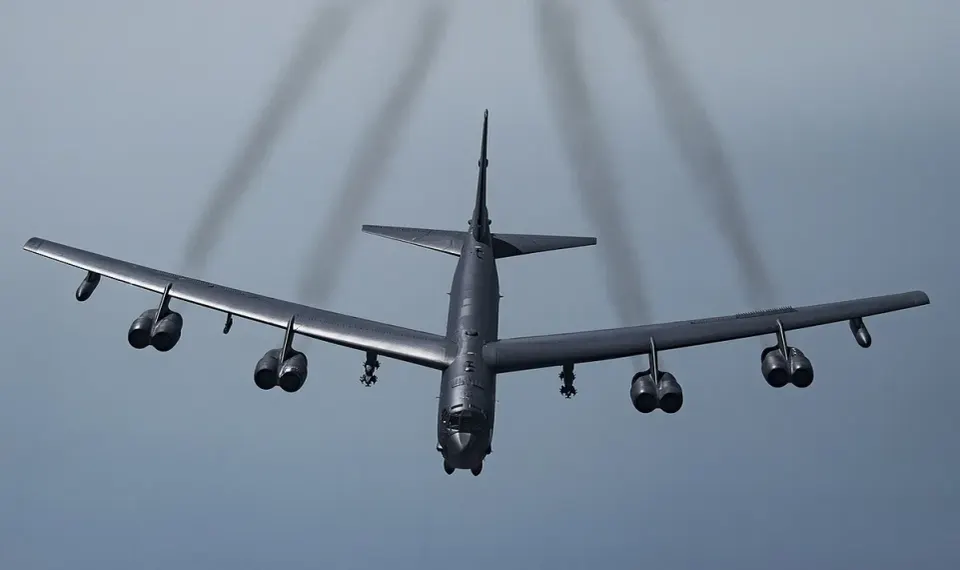
In a significant escalation of regional tensions, the Islamic Revolutionary Guard Corps (IRGC) has announced that four oil tankers were damaged by mines while attempting to navigate restricted waters. According to reports from Iranian state media, two additional vessels were halted for alleged violations, and a 56th US-made MQ-9 Reaper drone was reportedly shot down. These claims, while not independently verified by international maritime monitors at this hour, represent a sharp pivot toward more aggressive enforcement of Tehran's self-imposed maritime boundaries. The incident signals a move away from the direct ship-seizures seen in previous years toward more destructive, albeit deniable, kinetic actions like the use of naval mines.
For the global energy market, this development is a direct catalyst for the recent price action. Brent crude, which had been softening on hopes of diplomatic de-escalation, surged back to $103.60 per barrel as supply fears returned to the forefront. For Iranian observers, the immediate impact is visible in the currency markets; the USD/IRR rate moved from 271,400 to 273,200 (+0.7%) in a single day. This volatility reflects a market that is increasingly sensitive to the risk of a wider conflict that could close the Strait of Hormuz or lead to direct military exchanges between Tehran and Washington.
The Blue Wave: Democrats Seize Control of the US Congress
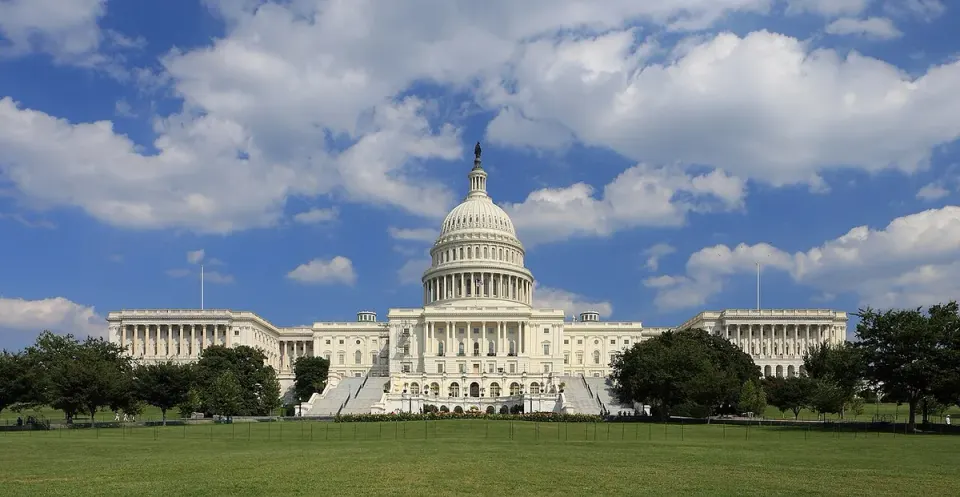
Across the Atlantic, the political map of the United States has been redrawn. In a historic midterm election, the Democratic Party has successfully regained control of the US Senate and is on track to secure the House of Representatives. This "Blue Wave" represents a stinging rebuke of Donald Trump’s current administration and its policy agenda. Victories in traditional Republican strongholds like Texas and South Carolina suggest a fundamental shift in voter sentiment, effectively turning the remainder of the current presidential term into a "lame duck" period. For the first time since 2022, the Democrats will have the legislative power to block executive appointments, stall budget proposals, and launch investigations into the administration’s foreign and domestic policies.
What this means for the rest of the world—and specifically for Iran—is a period of profound legislative gridlock in Washington. A Democrat-controlled Congress is likely to push back against unilateral sanctions escalations and may seek to revive diplomatic channels that the current White House has avoided. However, this internal American division also creates unpredictability. As the executive branch loses its domestic leverage, it may lean more heavily into foreign policy maneuvers to project strength, potentially heightening the risk of miscalculation in the Middle East. Markets are already pricing in this uncertainty, with gold prices hovering near the $4,016 mark as investors seek safety from political instability.
Global Economic Tremors: From Retail Collapse to AI Resilience
While geopolitics dominates the headlines, the underlying global economy is showing signs of severe strain. In Australia, the 188-year-old luxury department store David Jones is reportedly on the verge of falling into administration. After 11th-hour talks with its primary landlord, Scentre Group, failed to reach an agreement, the heritage retailer faces a bleak future. This collapse is more than just a corporate failure; it is a symptom of weakening consumer spending and the crushing weight of high interest rates globally. When even established luxury icons fail, it signals that the middle and upper-class cushions against inflation are beginning to evaporate, a trend that typically precedes a broader cooling of the global economy.
Conversely, the technology sector is finding a foothold in the artificial intelligence trade. AMD’s stock has shown resilience, with the company reporting genuine revenue growth from AI chips, shrugging off concerns about the sustainability of the tech boom. This creates a bifurcated market: traditional retail and consumer goods are suffering, while the infrastructure for the digital future remains a magnet for capital. For Iranian investors, this highlights the necessity of diversifying away from traditional assets. As the Toman continues its gradual slide and the Emami coin rises to 262,000,000 Toman (+0.2%), the divergence between the old economy’s struggles and the new economy’s growth becomes the defining narrative of late 2026.
Frequently Asked Questions
تأثیر پیروزی دموکراتها در کنگره بر تحریمهای ایران چیست؟
چرا قیمت نفت با وجود اخبار انتخابات آمریکا صعودی شد؟
وضعیت بازار ارز و طلا در تهران پس از این اخبار چگونه است؟
Understanding the Brent Crude Benchmark and Its Global Impact
The Brent crude benchmark is a blend of crude oils extracted from 15 oil fields in the North Sea, primarily off the coasts of the United Kingdom and Norway. It serves as the reference price for roughly two‑thirds of the world’s traded oil, shaping the price tags of gasoline, diesel, and jet fuel in Europe, Africa, and the Middle East. Unlike a single physical barrel, the benchmark is a price index calculated daily by the Intercontinental Exchange (ICE) based on transactions, forward contracts, and market expectations.
Because Brent is a light, sweet crude—meaning it has relatively low density and sulfur content—it is easier and cheaper to refine into high‑value products. This quality makes it a preferred standard for traders, who can compare the cost of extracting and transporting other grades of oil against the Brent price to gauge profitability. When geopolitical events, such as the recent mining of Gulf shipping lanes or the downing of an MQ‑9 drone, threaten supply routes, market participants anticipate tighter physical availability and bid up the Brent index.
The headline‑grabbing rebound to $103 per barrel in early 2026 illustrates this mechanism. Tensions involving the IRGC’s maritime operations raised fears of disrupted tanker traffic, while the U.S. midterm elections introduced policy uncertainty about future sanctions and energy legislation. Both factors nudged traders to hedge against potential shortages, pushing futures contracts higher. Higher Brent prices translate into increased revenue for oil‑producing nations but also higher import bills for oil‑importing countries, feeding into inflationary pressures and influencing monetary policy decisions.
For investors and policymakers, tracking Brent movements offers a real‑time barometer of global energy risk. A sustained rise can signal tightening supply, prompting central banks to consider rate hikes, whereas a sharp decline may indicate easing tensions or oversupply, offering relief to consumers but hurting producer budgets. Understanding the benchmark therefore equips anyone—from students of economics to casual readers—with a clearer picture of why a single price figure can ripple through geopolitics, finance, and everyday life.
Topics
Related Articles