Blue Wave Hits Washington: Democrats Seize Senate as Tehran Launches Diplomatic Counter-Offensive
موج آبی در واشینگتن و ضدحمله دیپلماتیک تهران؛ دموکراتها سنا را فتح کردند
A historic shift in US power as Democrats seize Senate control, potentially shackling Trump’s foreign policy, while Tehran unveils scathing human rights reports against the West.
At time of publishing
USD
271,800
Toman
Gold 18K
25.56M
Toman / gram
Bitcoin
$77,761
US Dollar
Tether
270,799
Toman
Market Open — Gold Hits New Peaks Amid Global Shifts
Good morning from the Arzbin newsroom. This Wednesday, November 4, 2026, the Tehran market opened with a palpable sense of caution as the world processed a seismic shift in American politics. The US Dollar (USD/IRR) saw a marginal uptick, rising from 271,400 to 271,800 Toman, a factual increase of 0.1%. While the currency move was slight, it reflects a 'wait-and-see' approach by local traders who are weighing the implications of the US midterm results against domestic inflationary pressures.
Gold, however, remains the primary focus for Iranian investors seeking a safe haven. Gold 18k per gram rose by 0.4%, moving from 25,451,313 to 25,562,121 Toman. This domestic rally is underpinned by a staggering global gold price, which has touched $4,008.30 per ounce—a historic milestone that underscores global instability. The Emami coin followed suit, gaining 0.2% to reach 262,000,000 Toman. In the crypto space, Bitcoin remains robust at $77,761, providing a digital alternative for those wary of traditional fiat fluctuations.
Democrats Seize the Senate: A New Reality for Trump’s Iran Policy
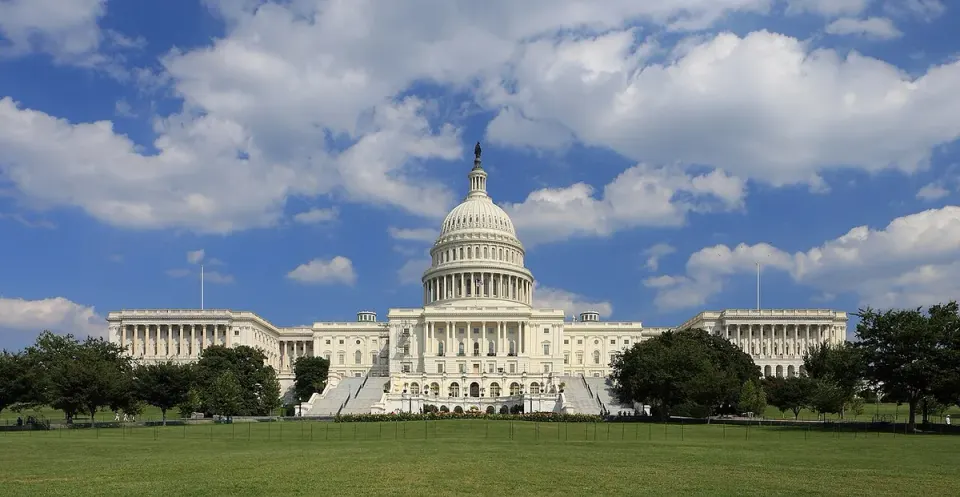
In what is being described as a political earthquake, the US Democratic Party has officially won control of the Senate in the 2026 midterm elections. The most shocking result came from Texas, where James Talarico defeated Ken Paxton, breaking a 38-year Republican winning streak in the state. This 'Blue Wave' effectively ends the Republican monopoly on power in Washington and will likely serve as a massive hurdle for President Trump’s legislative and foreign policy agenda for the remainder of his term.
For the Iranian reader, this shift is critical. A Democratic-controlled Senate means significantly more oversight on military spending and potential 'war powers' resolutions. While the executive branch still holds the keys to sanctions enforcement, the loss of the Senate—and a potential edge toward a House victory—means Trump will face intense pressure regarding his 'maximum pressure' tactics. Markets are already speculating that this could lead to a more gridlocked Washington, which often results in a weaker dollar globally but adds a layer of unpredictability to Middle Eastern geopolitics.
Tehran’s Diplomatic Pivot: Unveiling the Western Rights Reports
While Washington was counting ballots, Tehran was launching a sophisticated diplomatic counter-offensive. On November 3, 2026, high-ranking officials including Deputy Foreign Minister Kazem Gharibabadi unveiled annual reports detailing alleged human rights violations in the United States and the United Kingdom. This move is a clear attempt by the Iranian establishment to flip the narrative on the international stage, responding to years of Western-led sanctions and human rights critiques with a 'mirror' strategy.
This development suggests that Iran is leaning into 'soft power' and legalistic warfare to balance the hard power of economic sanctions. By documenting what it calls systemic failures in Western democracies, Tehran aims to build a case for its allies and the 'Global South' that Western moral authority is compromised. For businesses and traders, this signals a period of continued diplomatic friction; as both sides entrench their ideological positions, the likelihood of a swift 'thaw' in relations or a return to the negotiating table remains low in the immediate future.
Gulf Nations Brace for Impact as Energy Costs Soar
Beyond the political theater, the physical realities of regional tension are hitting the pocketbook. Gulf Arab nations are currently engaged in frantic mediation efforts to prevent a full-scale escalation between the U.S. and Iran. The stakes are incredibly high: a global diesel crunch is expected to last well into 2027, and the ongoing 'shadow war' has already doubled Egypt’s LNG import bill. With Trump confirming recent strikes on Iranian anti-aircraft facilities, the region is on a knife-edge.
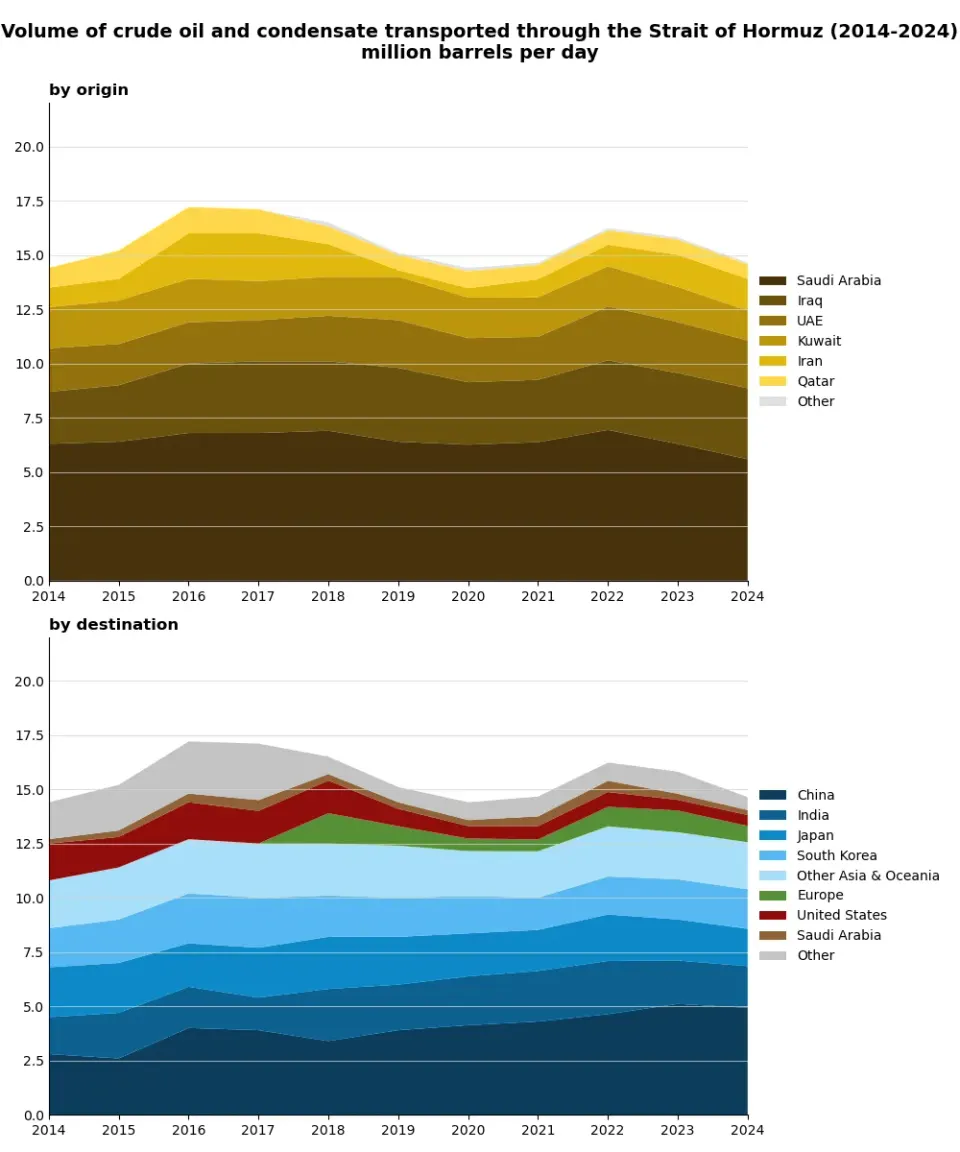
What this means for you is a continued 'risk premium' on everything from transport to consumer goods. When energy costs for neighbors like Egypt double, the entire regional supply chain feels the heat. As global refineries struggle and Middle Eastern output remains volatile, the cost of living in Iran—already under pressure—will continue to be sensitive to every headline coming out of the Persian Gulf. Stability is currently the most expensive commodity in the world.
Frequently Asked Questions
پیروزی دموکراتها در سنا چه تاثیری بر قیمت دلار در ایران دارد؟
چرا قیمت طلا در بازار تهران با وجود رشد کم دلار، صعودی است؟
گزارشهای حقوق بشری ایران علیه آمریکا چه اهمیتی برای معاملهگران دارد؟
The Geopolitical Significance of the Strait of Hormuz
The Strait of Hormuz, a narrow waterway connecting the Persian Gulf to the Arabian Sea and the broader Indian Ocean, is one of the world's most critical maritime choke points. Its strategic importance stems primarily from its role as the transit route for a significant portion of the world's seaborne oil and liquefied natural gas (LNG). With approximately one-fifth of global oil consumption and a substantial amount of LNG passing through its waters daily, any disruption to this strait has immediate and far-reaching consequences for global energy markets, directly influencing international trade, economic stability, and even the price of safe-haven assets like gold.
Geopolitically, the Strait of Hormuz is a flashpoint due to its unique geography and the regional actors involved. Bordered by Iran to the north and Oman and the United Arab Emirates to the south, it places Iran in a commanding position to influence, or potentially impede, maritime traffic. This strategic leverage forms a core component of Iran's foreign policy and defense strategy, often coming into play during periods of heightened international tension or diplomatic disputes, as suggested by "Tehran's Diplomatic Counter-Offensive" and "Strait of Hormuz Tensions" in the keywords.
The narrowness of the strait, at its tightest point only about 21 miles (34 km) wide, makes it vulnerable to blockades or attacks, even from relatively unsophisticated naval forces. Consequently, international powers, particularly those heavily reliant on oil imports, maintain a significant military presence in the region to ensure freedom of navigation. Understanding the Strait of Hormuz is crucial for comprehending global energy security, the dynamics of Middle Eastern geopolitics, and how regional events can ripple through the world economy, affecting everything from oil prices to international relations.
Topics
Related Articles