Australia's Aukus Submarine Deal Deemed 'Worst Ever' by Inquiry; Democrats Consolidate US Power
استرالیا: معامله زیردریایی آکوس 'بدترین' در تاریخ؛ دموکراتها قدرت آمریکا را تثبیت کردند
A scathing Australian public inquiry has declared the Aukus submarine deal the nation's 'worst, riskiest and most costly' defense decision, recommending its immediate suspension. Meanwhile, Democrats have solidified their control over the US Congress following the midterm elections, a victory Trump attributes partly to the 'Iran war'.
At time of publishing
USD
269,500
Toman
Gold 18K
25.65M
Toman / gram
Bitcoin
$78,225
US Dollar
Tether
270,799
Toman
Aukus Submarine Deal Declared Australia's Worst Defense Decision
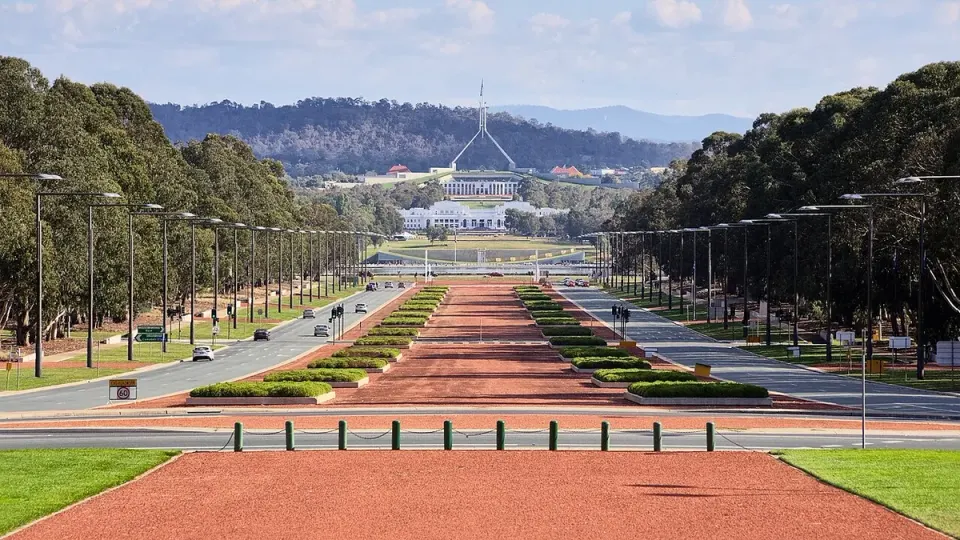
A stinging report from a public inquiry into Australia's A$368 billion Aukus nuclear submarine agreement has declared it the "worst, riskiest and most costly" defense decision in the nation's history. The inquiry, led by former Labor MP Peter Garrett and former Chief of Defence Admiral Chris Barrie, has recommended the immediate suspension of the deal and called for a royal commission into the controversial pact with the UK and US. The report specifically criticizes the plan for new bases and argues for a complete reassessment of the agreement, which was initially signed by the previous Morrison government.
The findings represent a significant blow to the Aukus initiative, which aims to equip Australia with nuclear-powered submarines to counter China's growing influence in the Indo-Pacific. Critics have long raised concerns about the immense cost, technological feasibility, and strategic implications of the deal. The inquiry's conclusion that the agreement should be suspended suggests a potential shift in Australia's defense strategy and raises questions about the future of its security alliances and its ability to effectively project power in the region. The market impact is less direct but signals a potential reallocation of vast defense spending and a re-evaluation of strategic priorities that could influence global defense contractors and related industries.
---
Democrats Consolidate US Power; Trump Cites 'Iran War'
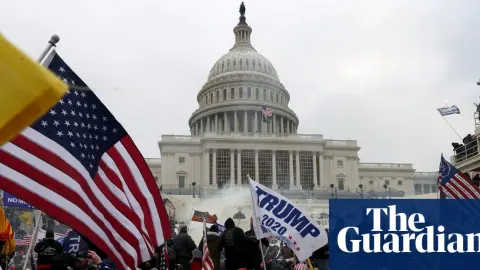
Democrats have successfully consolidated their control over the US Congress following the midterm elections, securing majorities in both the House of Representatives and the Senate. This outcome, which exceeded many expectations, significantly alters the political landscape for the remainder of President Trump's term and could lead to increased scrutiny of his administration's policies, including those related to international relations and trade. The results are particularly impactful for potential legislative initiatives concerning technology regulation, including the cryptocurrency sector, where a shift in committee leadership and a closer examination of Trump's business dealings are anticipated.
In a surprising statement, President Trump acknowledged the Democratic victory, attributing some of the Republican Party's losses to the ongoing conflict and broader implications of the 'Iran war'. While Trump did not explicitly take personal responsibility for the election results, his mention of the Iran conflict suggests a recognition of its potential impact on voter sentiment and his administration's foreign policy. This unexpected connection highlights how international events, even those seemingly distant, can resonate within domestic political narratives and influence electoral outcomes. The implication for Iran is a potential shift in US foreign policy focus, though the exact nature of this shift remains unclear. It could lead to renewed pressure or, conversely, a reassessment of engagement strategies, with direct consequences for its economy and currency.
---
Iran Claims Mines Destroyed Four Tankers in Hormuz; Market Reacts Cautiously
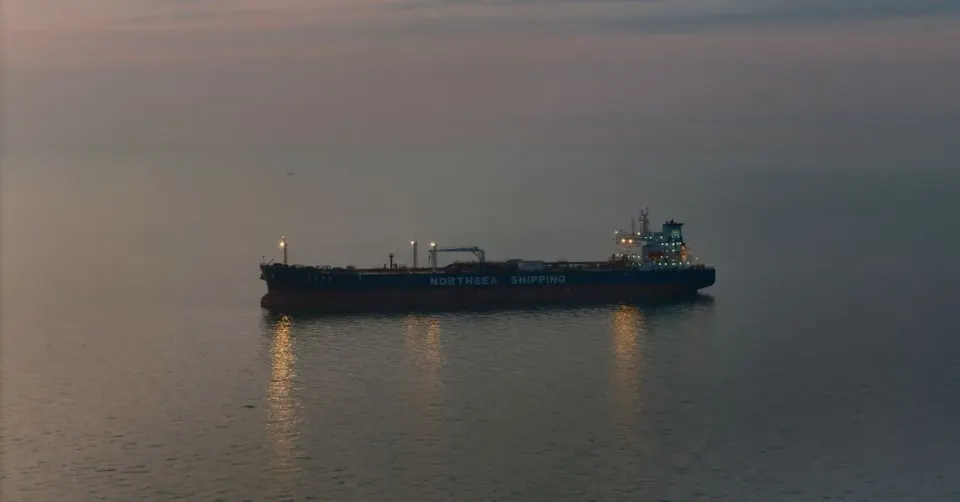
Iran's Islamic Revolutionary Guard Corps (IRGC) has claimed responsibility for destroying four tankers in the Strait of Hormuz, stating the vessels struck naval mines while traversing a prohibited route. This assertion, if verified, represents a significant escalation in regional maritime security tensions. The IRGC's statement implies a deliberate act of disruption in one of the world's most critical oil transit chokepoints, raising immediate concerns about potential impacts on global energy supply and shipping routes. Independent verification of the IRGC's claims is still pending, but the mere accusation is enough to heighten geopolitical risk.
The immediate market reaction has been cautious, with the USD/IRR exchange rate showing a slight depreciation of 0.7% over the past 24 hours, moving from 271,400 to 269,500. This movement, while not dramatic, reflects a degree of increased uncertainty and risk aversion among traders and investors. The price of 18k gold per gram saw a modest increase of 0.8%, rising from 25,451,313 to 25,652,153 Toman, and the Emami coin also experienced a slight uptick of 0.4%. These minor gains in gold prices can be attributed to their traditional role as a safe-haven asset during times of geopolitical instability. The overall market sentiment suggests that while investors are monitoring the situation closely, they are awaiting further developments before making significant moves, indicating a degree of resilience or perhaps a belief that the incident might be contained.
Frequently Asked Questions
What is the Aukus submarine deal?
Why are Democrats gaining control of the US Congress significant for Iran?
What is the significance of the Strait of Hormuz for global markets?
How has the Iranian Toman performed against the USD in the last 24 hours?
The Strategic Significance of the Strait of Hormuz
The Strait of Hormuz is a narrow waterway that connects the Persian Gulf with the open ocean, measuring just about 21 nautical miles at its narrowest point. Despite its modest width, it serves as the chokepoint for roughly a fifth of the world’s daily oil consumption, with tankers carrying crude from Saudi Arabia, Iraq, Kuwait, and the United Arab Emirates passing through it each day. Because the flow of energy fuels the global economy, any disruption—whether from geopolitical tension, piracy, or military incidents—can send shockwaves through oil markets, inflating prices and prompting strategic stock‑pile adjustments by nations.
Iran, which borders the strait on the north, has repeatedly threatened to close or restrict traffic as leverage in its regional disputes. The 2019 attacks on oil tankers and the more recent 2024 incidents highlighted how a single missile strike can temporarily halt the passage of dozens of vessels, prompting shipping companies to reroute around the Cape of Good Hope. While the alternative route adds thousands of nautical miles and weeks of travel time, the decision to reroute underscores the strait’s outsized influence on global supply chains and the cost of energy security.
From a legal perspective, the Strait of Hormuz is an international strait under the United Nations Convention on the Law of the Sea (UNCLOS), granting the right of innocent passage to all commercial vessels. However, the overlapping claims of sovereignty and the presence of naval forces from the United States, the United Kingdom, and regional actors create a complex security environment. Understanding the balance between freedom of navigation and the strategic calculus of the littoral states is essential for grasping why the strait remains a flashpoint in U.S.‑Iran relations and a focal point of defense discussions such as Australia’s AUKUS partnership.
The strategic importance of the strait also extends beyond oil. It is a conduit for liquefied natural gas (LNG), petrochemicals, and even non‑energy cargoes that support the economies of Gulf Cooperation Council (GCC) countries. Consequently, policymakers monitor vessel traffic, satellite imagery, and diplomatic signals closely to anticipate any escalation that could affect global markets. For anyone following international affairs, the Strait of Hormuz exemplifies how geography can amplify political power and economic vulnerability.
In short, the Strait of Hormuz is more than a narrow channel; it is a geopolitical lever that can shape oil prices, influence diplomatic negotiations, and dictate naval deployments worldwide. Its relevance to current headlines—whether about tanker attacks, U.S. midterm politics, or defense alliances—stems from this unique combination of geography, economics, and international law.
Topics
Related Articles