Paraguay President Resigns Amid Banking Collapse; Oil Slumps 12% Despite Hormuz Tanker Attacks
استعفای رئیسجمهور پاراگوئه در پی فروپاشی بانکی؛ ریزش ۱۲ درصدی قیمت نفت علیرغم تنشها در هرمز
Paraguay's President Santiago Peña has stepped down as a systemic banking crisis freezes the savings of millions, while global oil prices record a massive weekly loss. Meanwhile, markets are reacting to the US 'Blue Wave' midterms and new maritime exemptions issued by Tehran in the Strait of Hormuz.
At time of publishing
USD
268,200
Toman
Gold 18K
25.95M
Toman / gram
Bitcoin
$75,582
US Dollar
Tether
271,438
Toman
Banking Crisis Topples Paraguay’s Presidency
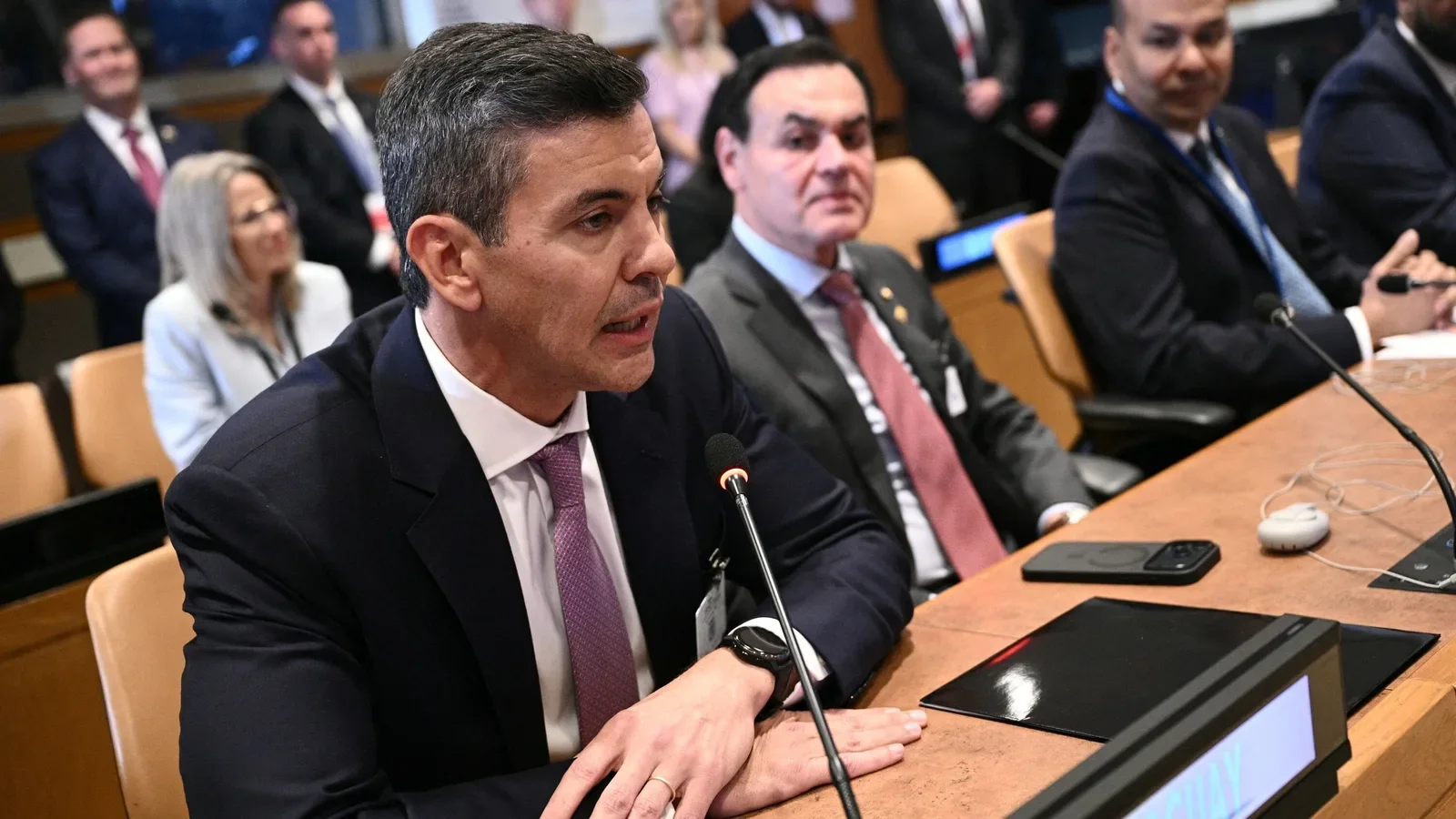
In a dramatic escalation of South America's most severe financial crisis in decades, President Santiago Peña of Paraguay officially resigned on Thursday. The resignation follows the catastrophic collapse of Ueno Bank, a digital-first lender that had grown exponentially under Peña’s administration, eventually claiming nearly 60% of the country’s adult population as customers. The crisis reached a breaking point when millions of citizens found their savings accounts frozen, sparking widespread civil unrest and a complete loss of confidence in the nation's regulatory framework.
Peña, a former IMF economist, apologized for failing to prevent the disaster, but his critics point to the rapid and perhaps reckless expansion of Ueno Bank's operations, which were heavily promoted by the state. The fallout is not limited to Paraguay; analysts warn that this could trigger a localized 'tequila effect' in neighboring South American markets as investors reassess the stability of digital banking infrastructure across emerging economies. For global markets, this serves as a cautionary tale about the intersection of political patronage and fintech growth without robust oversight.

Oil Prices Plunge 12% Amid Geopolitical Shifts
Global energy markets are witnessing a rare paradox this week. Despite reports of fresh tanker attacks in the Strait of Hormuz—a traditional catalyst for price spikes—crude oil prices are on track for a staggering 12% weekly loss. Brent crude has dropped to $99.42 per barrel, while WTI sits at $91.24. The primary driver appears to be the aftermath of the U.S. midterm elections, where a 'Blue Wave' victory for Democrats has fueled market expectations of a swift diplomatic resolution to Middle Eastern conflicts and a potential de-escalation of regional tensions.
Tehran has added a layer of complexity to the maritime situation by announcing that ships from India, China, Qatar, and Iraq are exempt from recent restrictions in the Strait of Hormuz. This selective enforcement suggests a strategic attempt to maintain critical trade alliances while maintaining pressure on other international actors. However, the market seems more focused on the demand destruction and the possibility of renewed nuclear diplomacy than on the immediate physical risks to supply, leading to the sharpest weekly decline in months.
The 'Blue Wave' Ripple Effect from Washington to Canberra
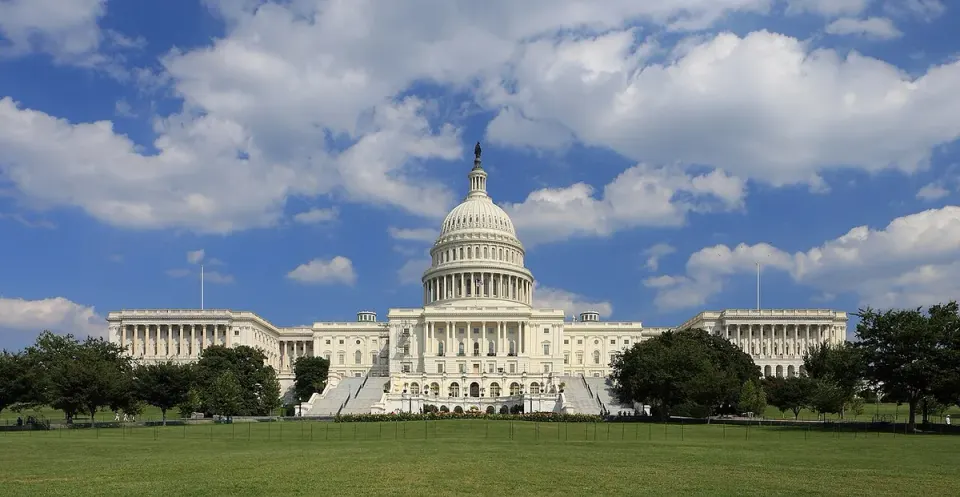
The democratic sweep of the US Congress is sending shockwaves far beyond American borders, specifically impacting the geopolitical calculus for allies like Australia. Experts suggest that the government of Anthony Albanese is now facing similar domestic pressures—voter anxiety over the cost of living and the rapid expansion of energy-hungry data centers—that flipped control of the US legislature. The shift in Washington is expected to broaden Australia’s alliance with the US but may also lead to a more nuanced approach to AUKUS and relations with China.
For Iran, the shift in the US power balance is being closely monitored. A Democrat-controlled Congress traditionally favors diplomatic channels over maximum pressure, though the immediate impact on sanctions remains to be seen. In the local Tehran market, the US Dollar (USD) sell rate remains stable at 268,200 Toman, reflecting a 'wait-and-see' approach by traders as they digest the implications of a more predictable, yet potentially firm, US foreign policy trajectory over the next two years.
Local Market Update: Gold Dips, Bitcoin Softens
On this Friday, November 6, 2026 (15 Aban 1405), the Iranian gold market saw a slight correction. Gold 18k/gram moved from 26,086,153 to 25,954,568 Toman, marking a 0.5% decrease. This domestic dip mirrors the global trend where gold prices, though still high at $4,046.30 per ounce, are facing pressure from a stabilizing US Dollar and shifting investor interest toward equities following the election results. Emami coins remained flat at 267,000,000 Toman, showing a lack of aggressive buying at current levels.
In the crypto space, Bitcoin has slipped to the $75,582 mark as regulatory uncertainty in the US persists despite the election outcome. While some miners, like IREN, are exiting the space to focus on AI infrastructure, the broader market is struggling to find a clear direction. For Iranian investors, the USDT rate at 271,438 Toman continues to offer a premium over the physical dollar, highlighting the continued demand for digital liquidity in an era of shifting global alliances.
Frequently Asked Questions
Why did the President of Paraguay resign?
Why is oil falling despite attacks in the Strait of Hormuz?
Which countries are exempt from Iran's Hormuz restrictions?
How has the Tehran market reacted to the US election results?
The Strategic Importance of the Strait of Hormuz
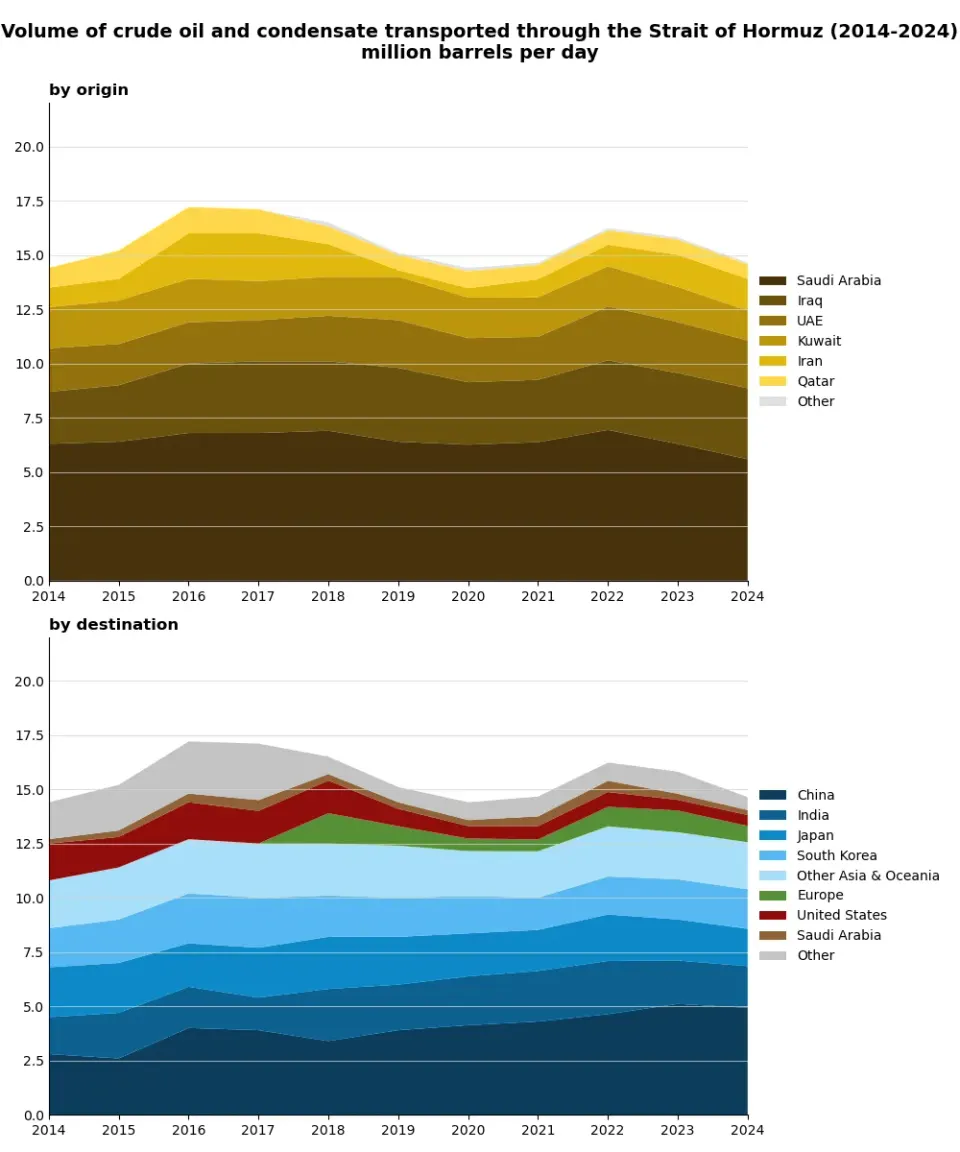
The Strait of Hormuz is a narrow waterway that connects the Persian Gulf with the Gulf of Oman and the open ocean. At its narrowest point it is only about 21 nautical miles wide, yet it handles roughly 20% of the world’s petroleum—including crude oil and refined products—transiting daily. Because almost all of the world’s oil exports from Saudi Arabia, Iran, Iraq, Kuwait, and the United Arab Emirates must pass through this chokepoint, any disruption can instantly reverberate through global energy markets.
Geopolitical tension is the primary driver of risk in the Hormuz corridor. The narrowness of the channel makes it vulnerable to naval mines, small‑boat swarms, and attacks on tankers, as we have seen in recent years with Iranian‑backed militia actions. When a tanker is threatened or actually struck, insurers raise war‑risk premiums, shipping firms reroute vessels around the longer Cape of Good Hope, and oil prices can spike within hours. The 2026 attacks on tankers near Hormuz, for example, helped push Brent crude down‑ward after a brief surge, illustrating how quickly market sentiment can swing.
The economic impact of a Hormuz disruption extends beyond oil. Countries that rely heavily on imported energy—particularly in Asia—face higher import bills, which can feed into inflation and affect currency values. Moreover, the uncertainty can influence broader financial markets; investors often seek safe‑haven assets like gold, pushing its price up, while equities in energy‑intensive sectors may suffer. Central banks watch these dynamics closely because persistent price shocks can complicate monetary policy decisions.
To mitigate the risk, the international community maintains a naval presence in the region, and many oil‑producing nations keep strategic petroleum reserves as a buffer. However, the fundamental geography cannot be altered, so the Strait of Hormuz will remain a critical lever of global economic stability for the foreseeable future.
Topics
Related Articles