Blue Wave Sweeps US Midterms: Oil Rebounds to $100 as Markets Brace for Trump’s Legislative Gridlock
موج آبی در انتخابات آمریکا؛ بازگشت نفت به مرز ۱۰۰ دلار و شوک دموکراتها به بازارهای جهانی
A dramatic Democratic victory in the US House has sent shockwaves through global markets, pushing oil prices toward $100 while tech stocks stumble over AI regulation fears. Amidst the political upheaval, Baghdad is making a frantic diplomatic push to shield Iraq from any potential US-Iran escalation.
At time of publishing
USD
268,200
Toman
Gold 18K
25.97M
Toman / gram
Bitcoin
$75,625
US Dollar
Tether
271,438
Toman
Market Open — Friday, November 6, 2026
The Tehran market opened this Friday morning with a sense of cautious stability despite the seismic shifts occurring in global political landscapes. The US Dollar (USD/IRR) remains unchanged at 268,200 Toman, showing a 0.0% delta over the last 24 hours. This stagnation suggests that local traders are currently in a 'wait-and-see' mode, processing the overnight news from Washington before committing to new positions.
In the precious metals sector, Gold 18k per gram saw a slight dip, falling from 26,086,153 to 25,970,728 Toman, a decrease of 0.4%. This marginal cooling comes even as the global gold ounce remains robust at $4,041.50. Meanwhile, Bitcoin (BTC) is holding steady at $75,625, showing resilience as traditional equity markets face a rout. For the Iranian investor, the primary focus remains on how the shifting power balance in the US Congress will influence sanctions enforcement and regional stability.
The Blue Wave: Democrats Flip the House and Shake Global Markets
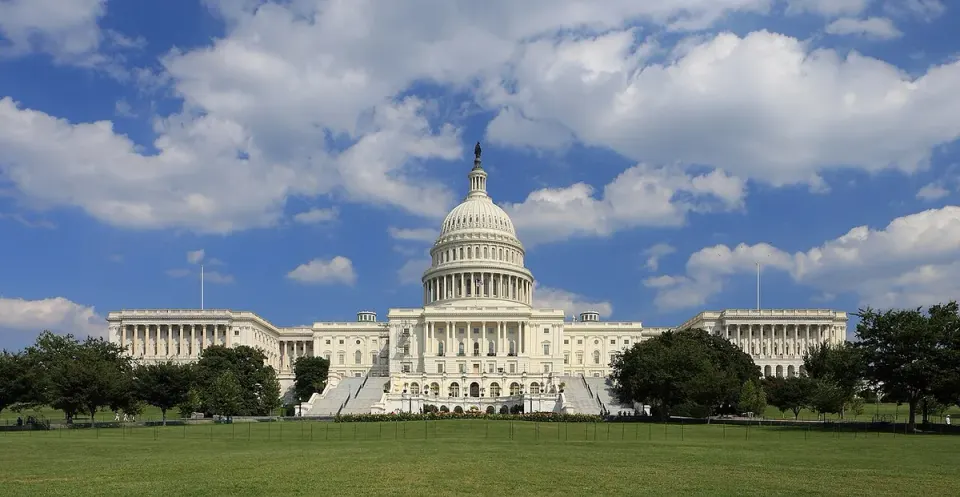
The biggest story overnight is the definitive shift in American politics. The 2026 midterm elections have resulted in a "blue wave," with Democrats exceeding 250 House seats and flipping control of the chamber. This result, described by some as a "Watergate-level repudiation," effectively ends the period of unchecked legislative power for the Trump administration. The immediate consequence is a projected gridlock on domestic policy, but the global reaction has been centered on energy and technology.
Oil prices reacted violently to the news, with Brent crude rebounding 4% to reach $98.38 per barrel. Investors are betting that a Democrat-controlled House will push for tighter environmental regulations and potentially slow down the 'drill-baby-drill' momentum of the current administration, leading to a tighter supply outlook. Conversely, tech stocks in Asia and the US have plunged. The fear is that the new Democratic majority will move quickly to implement strict AI regulations and curb the expansion of massive data centers, which have recently faced public backlash over energy consumption and land use.
Baghdad’s High-Stakes Diplomacy: Staying Out of the Line of Fire
As the political dust settles in Washington, the Middle East is navigating its own set of anxieties. Iraq’s top officials, led by al-Zaidi, have reportedly held urgent communications with the Trump administration. Baghdad’s primary objective is clear: to ensure that Iraq does not become a battlefield or a launchpad in the event of a direct confrontation between the United States and Iran. This diplomatic flurry comes as Iraqi leaders urge local armed groups to exercise restraint and avoid participating in any retaliatory actions that could draw a heavy-handed US response.
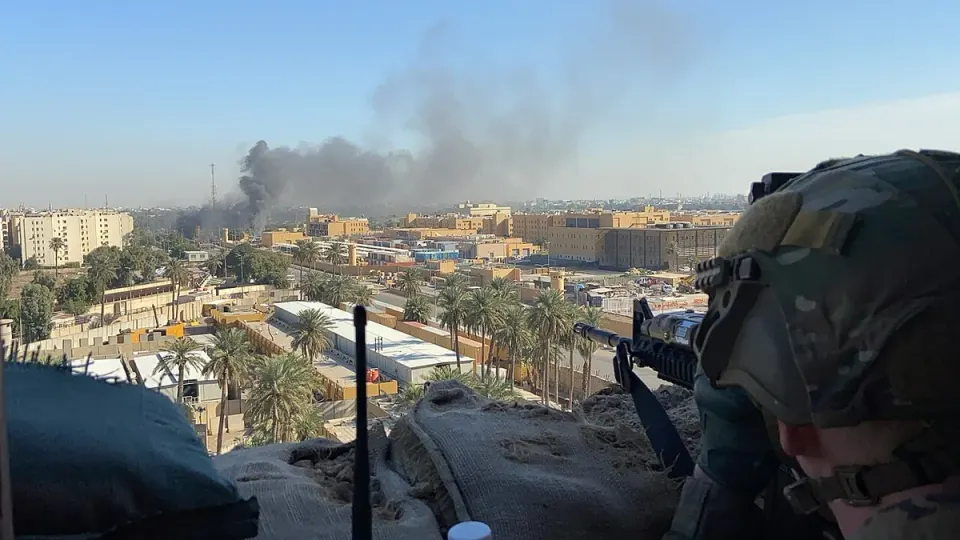
For the Iranian economy, this suggests a period of intense regional maneuvering. If Iraq successfully distances itself from the conflict, the traditional "gray market" channels and financial bridges between Tehran and Baghdad could face even tighter scrutiny from US Treasury officials who now have a more confrontational House oversight committee to answer to. The tension is palpable, as any misstep in this delicate balancing act could lead to renewed sanctions pressure or direct military friction.
A Trilateral Summit in Beijing? Xi’s Uncomfortable Balancing Act
In a move that could redefine global geopolitics, reports have surfaced regarding a potential summit in China featuring Xi Jinping, Donald Trump, and Vladimir Putin. While such a meeting would theoretically bolster Xi’s status as a global peacemaker, the reality is far more complex. The discussions are expected to center on the future of Ukraine and the implementation of new limits on nuclear weapons—topics that pose "uncomfortable choices" for Beijing, which has tried to maintain a facade of neutrality while supporting Moscow.

For global markets, the prospect of this summit is a double-edged sword. On one hand, it offers a slim hope for de-escalation in Eastern Europe; on the other, it signals the formation of a new tri-polar world order that could marginalize traditional European allies. For Iran, any grand bargain between these three giants could have profound implications for the 25-year cooperation agreement with China and the level of diplomatic cover Tehran receives at the UN Security Council.
Frequently Asked Questions
چرا پیروزی دموکراتها باعث افزایش قیمت نفت شد؟
تاثیر این انتخابات بر بازار ارز ایران چه خواهد بود؟
چرا سهام شرکتهای هوش مصنوعی سقوط کرده است؟
Understanding the Geopolitical Risk Premium in Oil Prices
The price of Brent crude, the global benchmark for oil, does not move solely on supply‑and‑demand fundamentals. Traders constantly price in the possibility that political events—elections, diplomatic breakthroughs, or sudden escalations—could disrupt production, transport routes, or demand. This extra amount built into the market price is called the geopolitical risk premium. When the United States heads into a contentious midterm election, investors ask whether a shift in congressional control could alter energy policy, sanctions on Iran, or the United States' stance toward Russia, all of which can tighten the market and push Brent toward, or above, the $100 per barrel mark.
Geopolitical risk premiums are especially evident in regions where oil flows intersect with rivalries, such as the Persian Gulf. The recent Iraq‑Iran diplomatic overture reduces the likelihood of a supply shock from that corridor, which can shave a few dollars off the premium. Conversely, a high‑profile summit among Trump, Putin, and Xi raises uncertainty about coordinated sanctions or production cuts, prompting traders to demand a higher safety margin. The premium is not a fixed number; it fluctuates daily as news breaks, and it is reflected in futures contracts, option pricing, and even the cost of insurance for tankers.
From a macro‑economic perspective, the risk premium matters because it feeds directly into inflation, fiscal budgets, and investment decisions. Higher oil prices increase transportation and manufacturing costs, which can erode consumer purchasing power and force central banks to tighten monetary policy. For oil‑exporting economies like Saudi Arabia or Iraq, a larger premium boosts export revenues, but it also makes their economies more vulnerable to sudden price drops if the geopolitical landscape stabilises. Understanding how the premium works helps policymakers and investors separate short‑term market noise from longer‑term structural trends.
Finally, the premium is a reminder that markets are forward‑looking and incorporate expectations, not just current realities. Analysts use a mix of political risk assessment tools, scenario analysis, and historical price data to estimate the size of the premium. By watching election calendars, diplomatic negotiations, and high‑level summits, they can anticipate price swings before they materialise, allowing businesses and governments to hedge exposure or adjust fiscal plans accordingly.