Krakow Market Tragedy & Hormuz Tanker Blasts: Global Security Risks Rattle Markets
تراژدی در کراکوف و انفجار نفتکشها در هرمز: سایه ناامنی بر بازارهای جهانی
A deadly far-right shooting in Poland and reported explosions on oil tankers in the Strait of Hormuz have spiked geopolitical tensions this Sunday. Meanwhile, Bitcoin struggles to reclaim $76,000 as regulatory pressure mounts in Europe.
At time of publishing
USD
266,000
Toman
Gold 18K
25.49M
Toman / gram
Bitcoin
$75,762
US Dollar
Tether
266,949
Toman
Far-Right Terror Strikes the Heart of Krakow
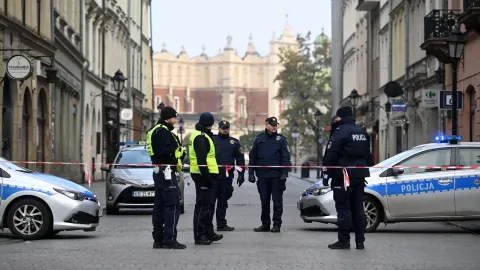
A devastating shooting in Krakow’s Main Market Square has left six people dead and 16 others wounded, marking one of the most significant security breaches in Poland's recent history. The suspect, a 25-year-old Polish national reportedly influenced by ultra-nationalistic and far-right ideologies, opened fire with an automatic weapon during a busy Saturday afternoon. The scale of the tragedy expanded late Saturday night as police discovered three additional victims at the suspect's residence, bringing the total death toll into a grimmer reality. Among those killed in the square was a British national, an event that has already triggered diplomatic coordination between London and Warsaw.
This act of terror, as described by the Polish Defense Minister, sends a chilling signal across Europe regarding the rise of domestic extremism. For global markets, such instability in a major European cultural and tourism hub often triggers a short-term 'risk-off' sentiment. While the direct economic impact on the Euro remains contained for now, the psychological toll on European consumer confidence and the travel sector cannot be ignored. Investors are closely watching how the Polish government responds, especially as the suspect's links to organized extremist groups are being investigated to determine if this was a lone-wolf attack or a coordinated effort.

---
Explosions in the Strait of Hormuz and New US Sanction Tactics
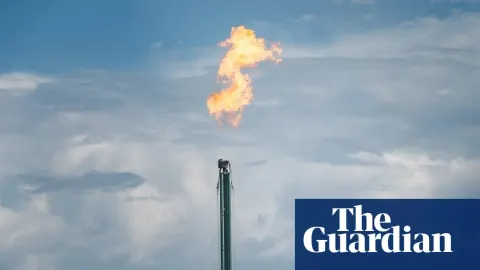
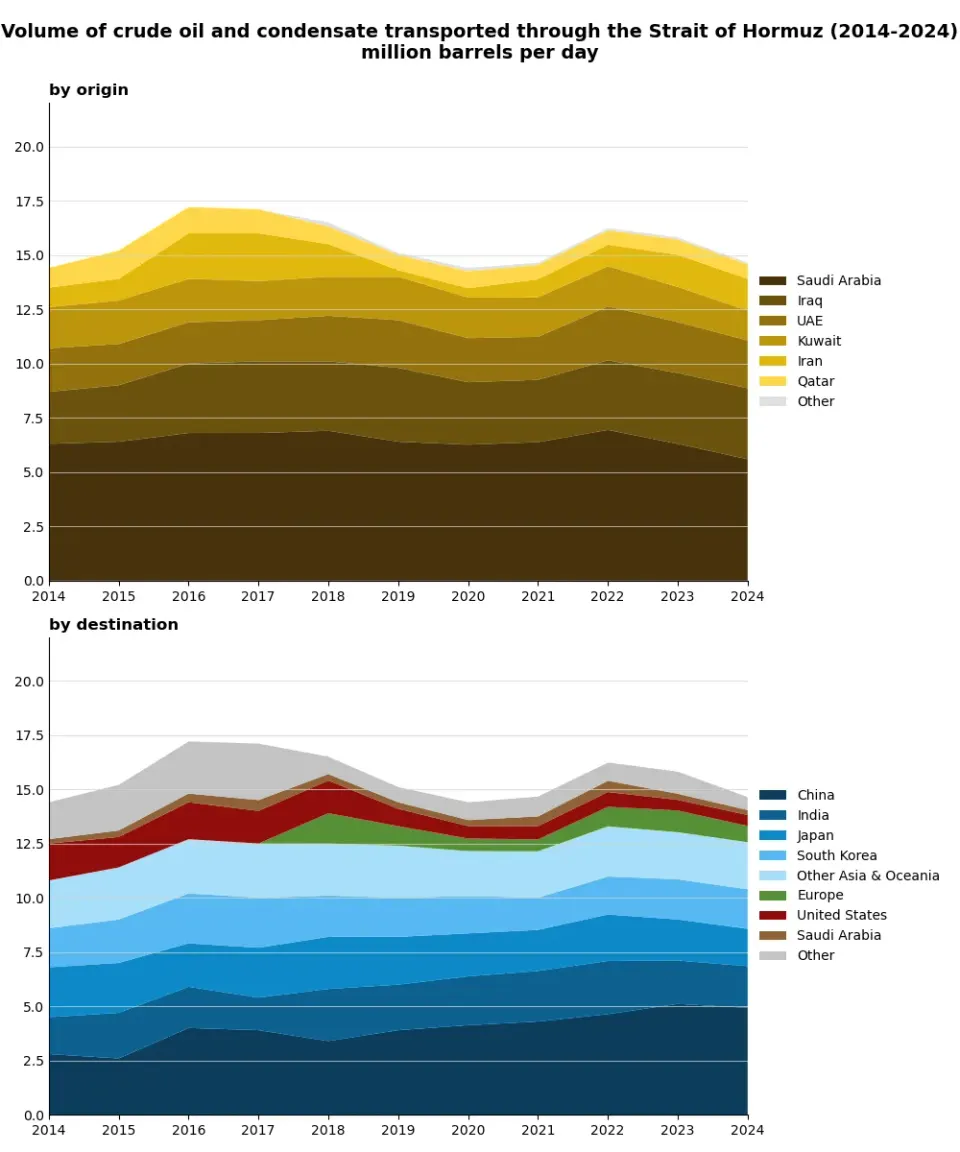
Geopolitical volatility spiked in the Middle East this morning as the IRGC Navy reported explosions on two oil tankers in the Strait of Hormuz. According to state-affiliated reports, the vessels caught fire early Sunday, though the exact cause and the ownership of the tankers remain under investigation. The Strait of Hormuz is the world's most vital oil chokepoint, and any disruption here immediately echoes through global energy markets and currency exchanges. In Tehran, while the USD/IRR remains stable at 266,000 Toman for now, such reports typically lead to increased speculative demand for hard currency as a hedge against potential escalation.
Simultaneously, the United States has announced the launch of a specialized task force aimed at disrupting Iran’s land-based supply routes. This operation is specifically designed to prevent the transport of weapons and dual-use materials through ground corridors. The combination of maritime incidents and tightening land-based restrictions suggests a multi-front pressure campaign. For the Iranian economy, this means further complications in trade logistics and a likely increase in the cost of imported goods, adding to the inflationary pressures already felt by the public. The market's reaction to these developments will depend heavily on whether these explosions are isolated incidents or the beginning of a broader maritime confrontation.
---
The Cyber Frontline: From Hacking Epidemics to Corporate Spying
The technological landscape is facing a dual crisis of security and ethics. A series of bizarre and dangerous cyber incidents—ranging from industrial refrigeration units being remotely manipulated to 150°C to a massive $6 billion heist—suggests that the world is in the "foothills of a hacking epidemic." These attacks are no longer confined to data theft; they are increasingly targeting physical infrastructure and AI-integrated systems. The vulnerability of everyday IT systems is being exposed by AI-driven tools, which hackers are now using to find flaws faster than security teams can patch them. This shift represents a fundamental change in the risk profile for tech companies and their investors.
Adding to this tension is a startling intelligence report claiming that a technology executive was recruited by state actors to spy on Nvidia’s CEO. As Nvidia sits at the center of the global AI revolution, it has become the ultimate prize in the technological Cold War between major powers. This level of corporate espionage highlights that the "moats" protecting big tech are not just about software or patents, but about the physical security of their leadership and strategic plans. For the markets, this introduces a new layer of 'geopolitical risk premium' to AI stocks, as the stability of these companies is now tied directly to national security interests.
---
Crypto Markets Under Pressure as Bitcoin Holds Below $76K
Bitcoin is currently trading at $75,762, struggling to maintain its momentum as regulatory hurdles in the European Union create fresh friction. The recent announcement of Binance closures in certain EU jurisdictions has added to the selling pressure, as users navigate the tightening net of crypto compliance. While the long-term outlook for digital assets remains a topic of intense debate, the immediate term is characterized by consolidation. In the Iranian market, the Tether (USDT) price of 266,949 Toman reflects the continued reliance on stablecoins as a primary vehicle for capital preservation amidst regional uncertainty.
Beyond the price action, the crypto world is reeling from news of internal betrayals, such as a former FBI agent pleading guilty to stealing $2.47 million in crypto from wallets tied to active investigations. Such incidents damage the perceived integrity of the ecosystem at a time when institutional adoption is critical. For the average investor, the current environment demands extreme caution; the intersection of regulatory crackdowns, high-level hacks, and geopolitical instability means that volatility is likely to remain the only constant in the weeks ahead.
Frequently Asked Questions
Why did the explosions in the Strait of Hormuz happen?
What is the impact of the Krakow shooting on global markets?
Why is Bitcoin struggling to stay above $76,000?
What does the US task force on land routes mean for Iran?
Understanding Geopolitical Risk and its Impact on Global Markets
Geopolitical risk refers to the potential for political instability, conflicts, or international tensions to disrupt economic activity and influence global markets. Unlike traditional economic risks such as inflation or recession, geopolitical events are often sudden, unpredictable, and can stem from a wide range of sources, including interstate conflicts, terrorism, cyber warfare, or even domestic political upheavals with international ramifications. These risks introduce a layer of uncertainty that can significantly alter investor sentiment and market dynamics.
The mechanisms through which geopolitical risk impacts markets are varied. Foremost among them is the creation of uncertainty, which prompts investors to re-evaluate asset valuations and often leads to a flight to 'safe haven' assets like gold, certain government bonds, or stable currencies. Crucially, geopolitical events can disrupt global supply chains, particularly in vital sectors such as energy. For instance, tensions in the Strait of Hormuz, a critical chokepoint for global oil transit, can immediately trigger spikes in crude oil prices due to fears of supply disruption, directly affecting energy-dependent economies worldwide.
Market reactions to geopolitical risks are typically characterized by increased volatility. Equities often experience sell-offs as investors become risk-averse, while commodity prices, especially for oil and gas, can surge. Currencies of nations directly involved or heavily reliant on affected trade routes may depreciate. Furthermore, geopolitical tools like sanctions, as seen in various international disputes, can reshape trade flows, restrict access to markets, and deter foreign investment, impacting specific industries and national economies. These measures can have long-lasting effects, altering the competitive landscape and driving companies to re-evaluate their global strategies.
Understanding geopolitical risk is therefore paramount for investors, businesses, and policymakers. It requires not only an awareness of current events but also an appreciation of historical precedents and potential future flashpoints. The ability to anticipate, or at least quickly react to, geopolitical shifts can be the difference between navigating market turbulence successfully and suffering significant losses. These risks underscore the interconnectedness of global politics and economics, demonstrating how seemingly distant events can have profound and immediate consequences for financial stability and prosperity worldwide.