Trump’s ‘Mirror World’ Shatters: Midterm Defeat Triggers Global Market Realignment
فروپاشی «دنیای موازی» ترامپ؛ شکست سنگین در انتخابات و عقبنشینی دلار در بازار تهران
US midterm voters have decisively rejected President Trump's 'golden age' narrative, leading to a period of deep soul-searching for the Republican party. Meanwhile, regional tensions flare as Yemeni forces strike Saudi Arabia, even as Iranian markets see a slight cooling in currency and gold prices.
At time of publishing
USD
265,500
Toman
Gold 18K
25.37M
Toman / gram
Bitcoin
$75,760
US Dollar
Tether
266,949
Toman
The End of the ‘Mirror World’: US Midterm Fallout
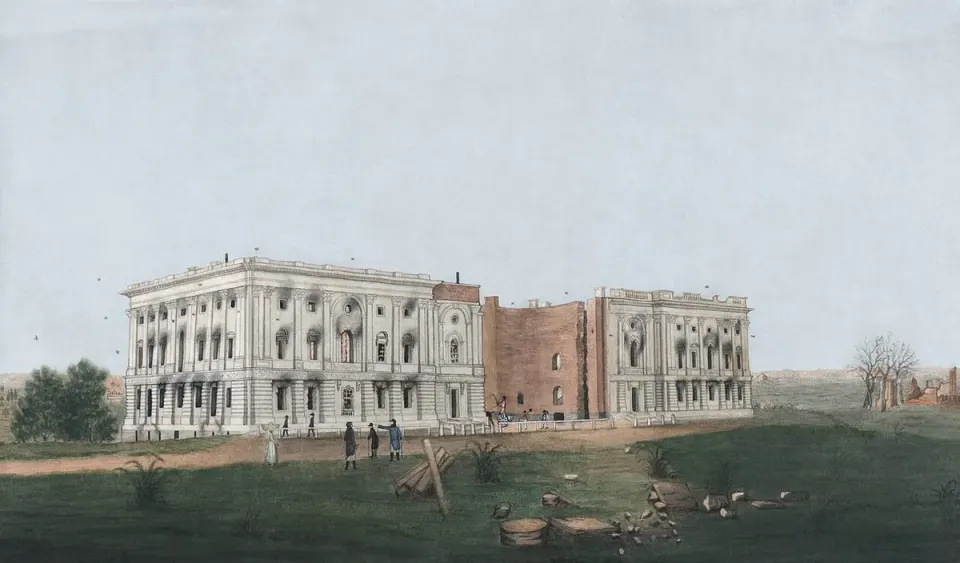
President Donald Trump’s narrative of a new American 'golden age' has met a harsh reality at the ballot box. Early results from the US midterm elections indicate a widespread rejection of the administration's alternate reality, where the President claimed the economy was the 'hottest' in history despite soaring consumer prices and a dragging conflict involving Iran. Voters appear to have prioritized their wallets and the tangible costs of living over the hyperbolic rhetoric of the White House. This defeat marks a significant turning point, suggesting that the 'Trump coalition' is not just fractured but potentially shattered, forcing the Republican party to decide whether to double down on Trumpism or seek a new path forward.
For the markets, this political shift introduces a fresh layer of uncertainty. During the lead-up to the elections, many investors had priced in a continuation of the status quo, often referred to as the 'Trump trade.' With the legislative balance of power shifting, key sectors—particularly tech and data centers—are facing a rocky road ahead. Tech moguls like Elon Musk, who aligned themselves closely with the administration's vision, may find the new political landscape significantly less hospitable. The rejection of the 'mirror world' narrative means that policy focus will likely shift back to traditional economic indicators rather than the President's personal benchmarks of success.
Market Reaction: A Sigh of Relief or Caution?
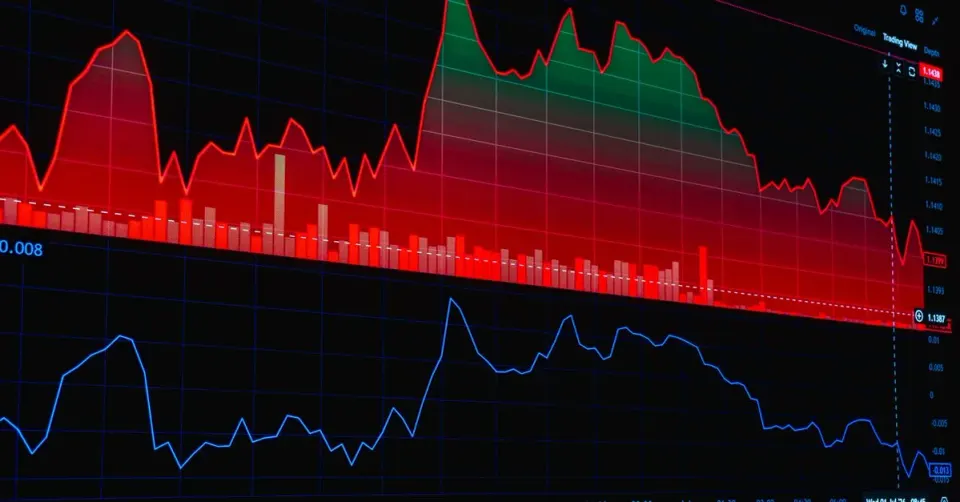
In Tehran, the foreign exchange and gold markets have reacted to the global political shift with a moderate downward trend. On this Sunday, November 8, 2026, the US Dollar (USD) sell rate moved from 266,000 to 265,500 Toman, marking a 0.2% decrease. This cooling effect is also visible in the gold sector, where 18k gold fell from 25,490,558 to 25,370,515 Toman per gram, a 0.5% drop. The Emami coin saw a more pronounced decline, sliding from 260,000,000 to 258,000,000 Toman, an 0.8% decrease. These movements suggest that the immediate panic often associated with US political upheaval has been replaced by a cautious wait-and-see approach among local traders.
While the domestic market shows signs of stabilization, the global backdrop remains volatile. Gold on the international market is holding at $4,072.10 per ounce, reflecting a high-altitude plateau as investors hedge against potential US policy gridlock. The slight dip in the Toman-to-Dollar rate might be short-lived if the US political vacuum leads to increased geopolitical adventurism. For now, the 'looking-glass' economy is being replaced by a more sober assessment of trade barriers, tariffs, and the actual purchasing power of citizens both in the US and abroad.
Regional Escalation: Yemen Strikes Deep into Saudi Territory
Geopolitical risks in the Middle East have intensified following reports from Yemeni armed forces claiming six major operations targeting strategic sites deep within Saudi Arabia. According to state-affiliated media, these drone and missile strikes are part of a broader escalation that threatens to disrupt regional energy corridors. While Saudi officials have not yet provided a full damage assessment, the persistence of these attacks highlights the fragility of regional security and the ongoing failure of diplomatic efforts to contain the conflict. For the global energy market, this represents a constant threat to supply chains, often acting as a floor for oil prices even when global demand fluctuates.
This regional friction serves as a reminder that while US domestic politics may be shifting, the structural conflicts of the Middle East remain unresolved. The 'war in Iran'—as referred to by the US President—continues to cast a long shadow over trade and diplomatic relations. The intersection of US political instability and regional military escalation creates a complex environment for the Iranian economy. Any significant disruption in Saudi oil production could lead to a spike in global energy costs, which historically exerts upward pressure on the USD/IRR parity despite the temporary cooling we are witnessing today. As the US recalibrates its foreign policy post-midterms, the region remains a tinderbox of competing interests.

Frequently Asked Questions
چرا شکست ترامپ در انتخابات میاندورهای بر بازار ایران تأثیر گذاشت؟
وضعیت قیمت طلا و سکه در بازار امروز تهران چگونه است؟
آیا حملات یمن به عربستان میتواند قیمت ارز را دوباره صعودی کند؟
Gold as a Safe‑Haven Asset in Times of Geopolitical Turmoil
When investors hear headlines about midterm elections, regional wars, or sudden political shifts, they often turn to a timeless refuge: gold. Unlike fiat currencies, which can be devalued by policy decisions or market sentiment, gold’s value is rooted in its scarcity, durability, and universal acceptance. In periods of heightened uncertainty—such as the 2026 U.S. midterms, the Yemen‑Saudi conflict, or sanctions that push the Iranian rial (USD/IRR) into volatile territory—gold typically sees a surge in demand, driving its price higher.
The mechanism behind gold’s safe‑haven status is two‑fold. First, investors use gold to hedge against currency risk; when a currency is expected to depreciate, holding gold preserves purchasing power. Second, gold is a “store of value” that does not generate cash flows, so its price is less tied to corporate earnings or interest rates, making it attractive when equity markets wobble. This explains why the Iranian gold market often spikes when the rial weakens, and why global investors flock to the metal when political headlines turn grim.
However, gold is not a risk‑free asset. Its price can be volatile in the short term, and it offers no yield, meaning opportunity costs compared with dividend‑paying stocks or bonds. Moreover, central banks hold large gold reserves and can influence supply through sales or purchases, adding another layer of complexity. Understanding these dynamics helps investors decide whether to allocate a portion of their portfolio to gold as a defensive layer, especially when geopolitical risk premiums rise.
For those watching the ripple effects of events like Elon Musk’s tech announcements or the future direction of the Republican Party, remembering gold’s role can provide a grounding perspective. While tech stocks may swing on innovation news, gold’s price often moves in the opposite direction of market sentiment, offering a counterbalance that can smooth overall portfolio volatility during turbulent times.