Araghchi’s 'Hell of Fire' Ultimatum to Washington as Toman Shows Quiet Resilience
اولتیماتوم «جهنم آتش» عراقچی به واشینگتن در میان ثبات نسبی قیمت دلار
Iranian Foreign Minister Abbas Araghchi has issued a stark two-day ultimatum to the White House, demanding a choice between a diplomatic proposal or military escalation. Meanwhile, global markets digest a surge in AI-driven energy demand and a deepening humanitarian crisis in Gaza.
At time of publishing
USD
265,500
Toman
Gold 18K
25.44M
Toman / gram
Bitcoin
$75,860
US Dollar
Tether
266,701
Toman
Araghchi’s Ultimatum: A High-Stakes Choice for Washington
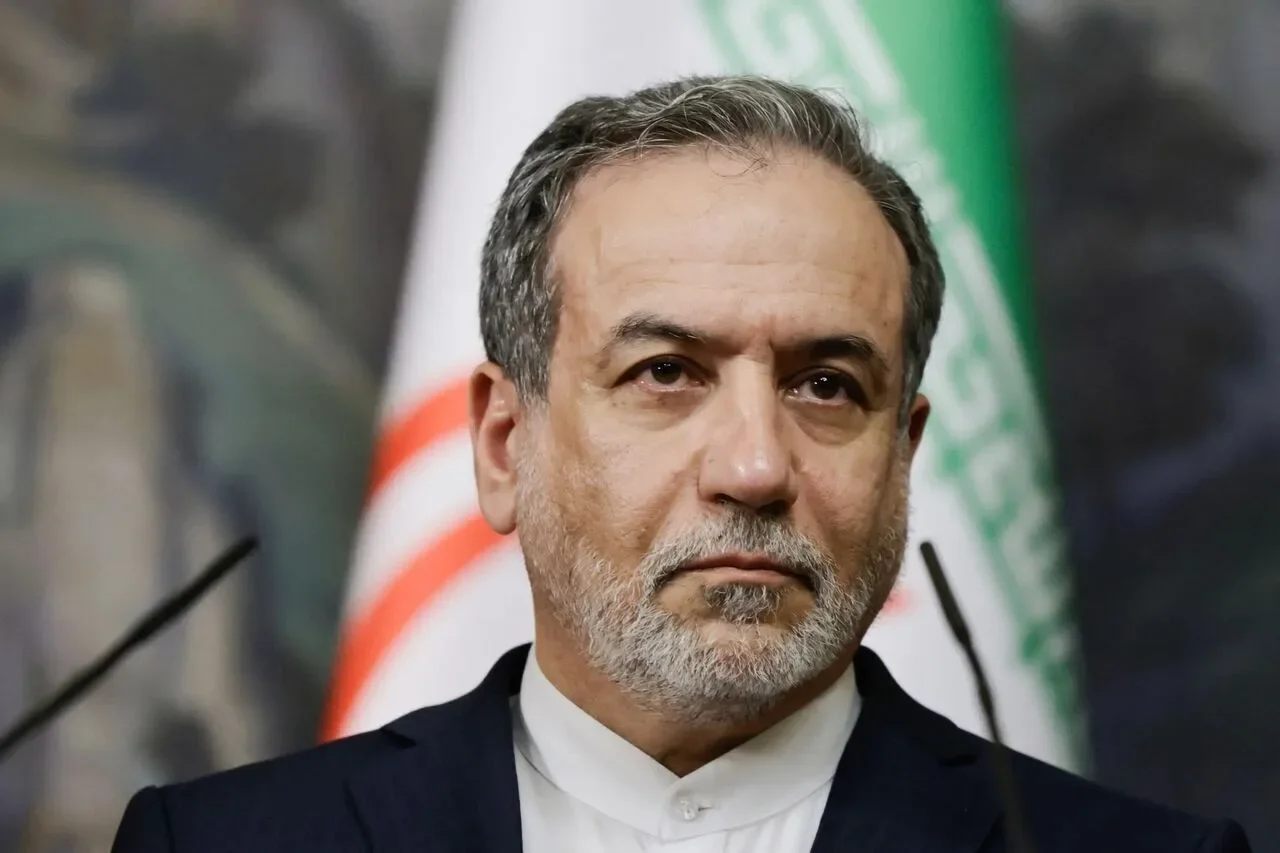
In a move that has sent ripples through regional diplomatic circles, Iranian Foreign Minister Abbas Araghchi has issued a direct challenge to the White House. According to reports from IRNA, Araghchi stated that the ball is now in Washington’s court to choose between a specific "two-day proposal" or a significant military escalation. The Foreign Minister’s rhetoric was notably aggressive, warning that a refusal to cooperate would lead to a "hell of fire" from Iranian forces. This escalation comes at a critical juncture for Iran’s economy, which remains under heavy pressure from international sanctions and systemic mismanagement.
Despite the fiery rhetoric, the Iranian Toman showed surprising resilience in the late hours of Sunday, November 8, 2026. The USD/IRR exchange rate moved from 266,000 to 265,500, representing a slight gain of 0.2% for the local currency. Similarly, gold prices saw a minor retreat, with the Emami coin dropping from 260,000,000 to 259,000,000 Toman (-0.4%). This market behavior suggests that domestic traders may be viewing Araghchi’s statements as a tactical negotiation maneuver rather than an immediate precursor to kinetic conflict. However, the underlying tension remains a primary driver of long-term volatility in the Tehran market.

Gaza’s Weather Catastrophe and Regional Sentiment
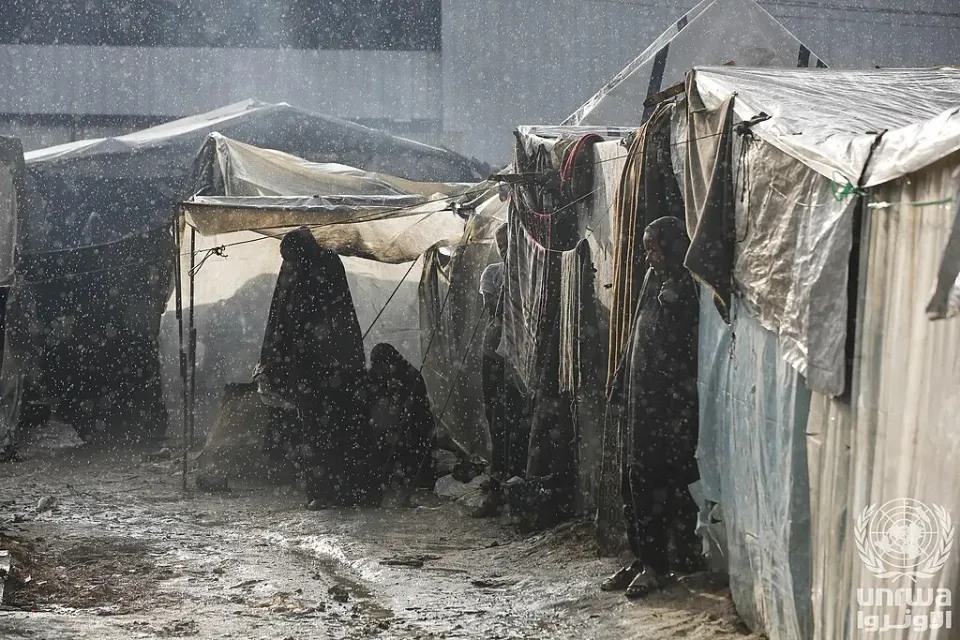
While the political elite exchange threats, a humanitarian disaster of a different kind is unfolding in the Gaza Strip. Heavy rains and powerful winds have battered the region since Friday, submerging tens of thousands of tents that house displaced Palestinians. This weather-driven catastrophe adds a layer of desperation to an already dire situation, as infrastructure remains shattered by ongoing conflict. The flooding of these makeshift camps not only displaces thousands once again but also heightens the risk of waterborne diseases and thermal stress among the most vulnerable populations.
This humanitarian crisis serves as a backdrop to the broader geopolitical posturing in the Middle East. For Iranian leadership, the situation in Gaza is frequently used as a rhetorical tool to justify regional influence and military readiness. However, for the average observer, the immediate concern is the lack of basic shelter and safety for civilians. The inability of international aid to effectively mitigate the impact of seasonal weather highlights the paralysis of current diplomatic efforts to secure a lasting ceasefire or even a stable humanitarian corridor.
The AI Power Hunger: A New Lifeline for Fossil Fuels
The technological landscape is witnessing a paradoxical shift as the artificial intelligence boom breathes new life into the fossil fuel industry. Major tech corporations, desperate for the massive amounts of electricity required to power next-generation data centers, are increasingly turning to oil and gas companies for stable energy supplies. This "unholy alliance" between Silicon Valley and Big Oil is fundamentally altering the global energy transition narrative. Experts now suggest that the insatiable demand from AI hyperscalers could extend the reliance on natural gas and coal far longer than climate advocates had previously projected.
This trend is already manifesting in policy shifts across Europe and North America. In the UK, for instance, the government is expected to weaken electric vehicle (EV) mandates despite protests from climate-conscious MPs. The rationale is often tied to economic pragmatism and the need to maintain industrial competitiveness in an era where energy security is paramount. For the global economy, this means that while AI promises efficiency and innovation, its physical footprint remains anchored in traditional, carbon-intensive energy sources, creating a complex trade-off between technological progress and environmental commitments.

Biodiversity Under Threat: The Peru Airport Discovery
In a bizarre yet revealing incident at Peru’s national airport, authorities discovered over 3,000 tarantulas hidden inside the socks of suspected smugglers. The National Forest and Wildlife Service reported that the shipment, which included several threatened species, was destined for Germany. This incident highlights the staggering scale of the illegal wildlife trade, which remains one of the most profitable black markets globally, often operating alongside drug and arms trafficking networks.
Such discoveries point to the persistent gaps in global border security and the high demand for exotic biodiversity in European and Asian markets. While seemingly unrelated to the high-stakes world of nuclear diplomacy or AI energy deals, the illegal trade in endangered species reflects a broader breakdown in international regulatory enforcement. It serves as a reminder that even in an age of high-tech surveillance, traditional smuggling methods—like hiding thousands of live spiders in footwear—continue to challenge global authorities.
Frequently Asked Questions
What exactly is Araghchi's 'two-day proposal' to the US?
Why did the Toman strengthen despite Araghchi's aggressive rhetoric?
How is AI impacting the global transition to clean energy?
Understanding Iran’s Dual Exchange Rate System
Iran’s foreign‑exchange market is famously split into two distinct rates: the official rate set by the Central Bank of Iran (CBI) and a parallel, or “free‑market,” rate that emerges from supply‑and‑demand dynamics on the black market. The official rate is used for government transactions, essential imports, and the pricing of some contracts, but it often diverges sharply from the price that businesses and individuals actually pay when they need to convert rials (or tomans) into dollars. This divergence creates a dual exchange‑rate system, a phenomenon that can mask inflation, distort price signals, and fuel corruption when officials have access to the cheaper official rate while the public must rely on the higher market rate.
The mechanics of the dual system are rooted in Iran’s macro‑economic challenges: persistent sanctions that limit access to foreign currency, a shrinking oil export revenue base, and high inflation. When the CBI tightens official allocations, the shortage of dollars pushes the black‑market rate up, sometimes by several hundred percent. In November 2026, for example, the USD/IRR official rate might be quoted at 42,000 rials per dollar, while the parallel market could be trading near 300,000 rials. This gap is not merely a statistical curiosity—it directly affects the purchasing power of ordinary Iranians, the cost of imported goods, and the viability of foreign‑direct investment.
A dual exchange rate can also become a tool of policy, albeit a risky one. Governments may deliberately maintain an artificial official rate to keep the cost of essential imports low, but doing so can create arbitrage opportunities for insiders who can buy dollars cheaply at the official rate and sell them on the black market for a profit. Such arbitrage erodes public trust and can lead to capital flight. Moreover, the existence of two rates complicates the calculation of real inflation, as price indices based on the official rate may understate the true cost of living.
For policymakers, the challenge is to gradually converge the two rates without triggering a sudden loss of foreign‑currency reserves or a spike in inflation. Strategies include liberalising the foreign‑exchange market, allowing more transparent pricing, and using forward contracts to smooth out volatility. International experience shows that a managed transition—like the one undertaken by China in the early 2000s—can reduce distortions while preserving macro‑economic stability.
Understanding Iran’s dual exchange‑rate system is essential for anyone following the country’s economic resilience, the Toman’s quiet strength, or the broader implications of sanctions on emerging markets. It illustrates how currency policy, geopolitics, and everyday purchasing power are tightly interwoven in a high‑inflation environment.