Cairo Rail Tragedy & Apple’s AI Offensive: Global Shocks at 23:00 Tehran
فاجعه ریلی در قاهره و حمله هوش مصنوعی اپل؛ شوکهای جهانی در ساعت ۲۳ تهران
A deadly train collision near Cairo highlights infrastructure failures despite massive spending, while Apple accelerates its 'agentic' Siri roadmap to counter OpenAI. In Tehran, the Toman shows resilience with a slight 0.2% retreat against the dollar.
At time of publishing
USD
265,500
Toman
Gold 18K
25.44M
Toman / gram
Bitcoin
$75,804
US Dollar
Tether
265,797
Toman
The Cairo Rail Disaster: Modernization Under Fire
A tragic collision between two passenger trains near Cairo has claimed at least four lives, marking the latest in a string of deadly rail accidents that continue to plague Egypt’s transportation network. Despite the government investing billions of dollars in recent years to modernize tracks, signaling systems, and rolling stock, this incident serves as a grim reminder of the gap between infrastructure spending and operational safety. For the Egyptian administration, which has prioritized massive civil engineering projects as a pillar of national progress, such failures are not just human tragedies but political liabilities that fuel public skepticism about the efficacy of state-led development.
From a regional perspective, the safety of Egyptian transport corridors is vital for logistics and trade. While this specific crash does not directly impact the Suez Canal or major international trade routes, it highlights the systemic risks within the MENA region's largest economy. Investors often view these infrastructure failures as indicators of deeper administrative and maintenance hurdles. As emergency crews work through the wreckage, the conversation in Cairo is shifting toward accountability and whether the rapid pace of expansion has come at the expense of rigorous safety protocols and personnel training.

Apple’s Agency: The Race to Save Siri
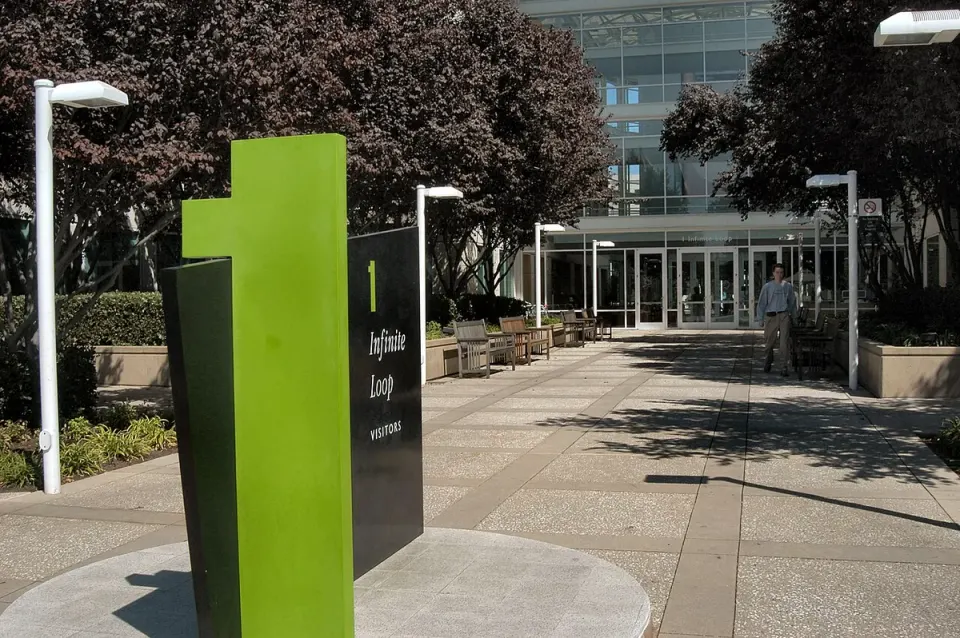
In the technology sector, Apple is reportedly entering a state of high-intensity development as it attempts to make Siri more "agentic." According to reports, CEO John Ternus is applying significant pressure on AI lead Craig Federighi to accelerate the Siri roadmap. The goal is to transform the voice assistant from a simple command-response interface into a powerful AI agent capable of performing complex tasks across apps autonomously. This move is a direct response to the rising threat of OpenAI’s "Dots" and Meta’s "Muse," which are threatening to turn the iPhone’s native assistant into a relic of the past.
This shift toward agentic AI represents a fundamental change in the consumer tech landscape. If successful, Apple will move away from being a hardware provider that hosts third-party apps toward an integrated ecosystem where the AI acts as the primary user interface. For the markets, this is a make-or-break moment for Apple’s long-term valuation. Analysts are watching closely to see if Federighi can deliver a functional version of this next-gen Siri on an accelerated timeline, as any delay could see Apple lose its grip on the high-end smartphone market to rivals who are moving faster in the generative AI space.
Market Resilience: Toman and Gold Trends
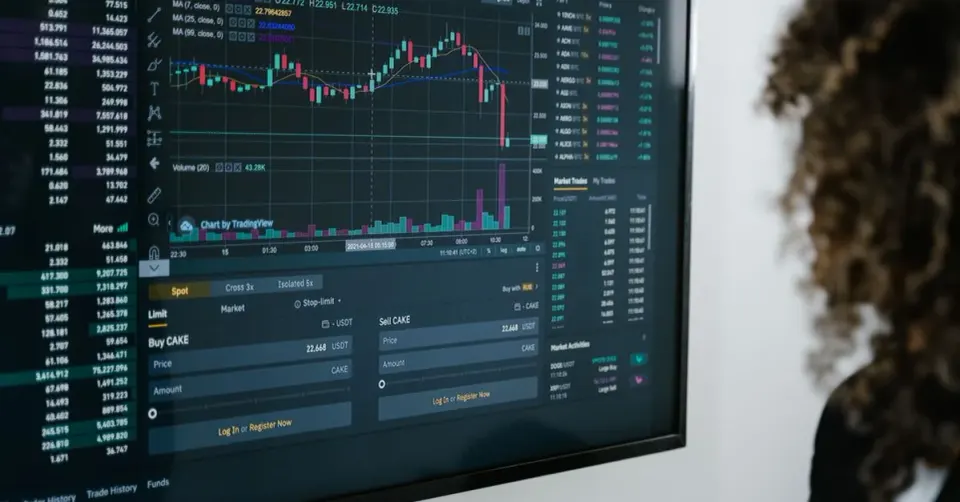
The Iranian markets on Sunday, November 8, 2026 (۱۷ آبان ۱۴۰۵), showed a characteristic resilience despite the geopolitical noise echoing through the region. The USD/IRR exchange rate saw a minor retreat, moving from 266,000 to 265,500 Toman, a decrease of 0.2%. This slight cooling of the dollar comes as the market digests recent regional tensions, suggesting that the immediate risk premium has been priced in. Meanwhile, the gold market mirrored this downward drift, with 18k gold falling from 25,490,558 to 25,444,388 Toman per gram, also a 0.2% decline.
In the coin market, the Emami coin experienced a more pronounced dip, falling from 260,000,000 to 259,000,000 Toman (-0.4%). This movement indicates a slight reduction in speculative demand as local investors await clearer signals from global markets, particularly with gold ounces hovering at a high of $4,072.10. While the domestic market remains sensitive to geopolitical developments, the current stability suggests that the Central Bank's interventions and the market's own exhaustion after recent volatility are keeping prices within a narrow, albeit elevated, range.
Global Media and Diplomacy: From London to Nicosia
In the United Kingdom, the solemnity of Remembrance Sunday was met with a stern warning from Culture Secretary Lisa Nandy regarding the media industry's culture. Following the high-profile legal fallout of the Russell Brand case, Nandy emphasized that institutions across public life have failed to protect women from exploitation and abuse. This "wake-up call" suggests that the UK may be heading toward stricter regulatory oversight of media organizations, which could have ripple effects on how global media conglomerates operate and manage talent in a post-conviction landscape.
Simultaneously, Iran is looking to expand its own media footprint through diplomatic channels. IRNA chief Hossein Jaberi-Ansari has called for expanded media cooperation with Cyprus, aiming to pave the way for a more robust exchange of information and cultural narratives. While this might seem like a minor diplomatic move, it reflects Iran’s broader strategy of using soft power and media partnerships to bypass Western-dominated information flows. By building bridges with EU members like Cyprus, Tehran seeks to create alternative channels for its official narrative, even as it continues to face significant international pressure on other fronts.
Frequently Asked Questions
Why is the Cairo train crash significant for regional markets?
What does 'agentic AI' mean for Apple's Siri?
How did the Iranian Toman react to today's news?
Understanding Agentic AI: What It Means When Siri Becomes More Autonomous
Agentic AI refers to artificial intelligence systems that can set and pursue their own goals, rather than merely executing instructions from a human operator. In technical terms, an agentic system possesses a degree of instrumental autonomy – the ability to select actions that it predicts will best achieve its internally generated objectives. When Apple markets a “more agentic” Siri, it signals a shift from a purely reactive voice assistant toward a model that can anticipate user needs, schedule tasks proactively, and even suggest actions it deems beneficial, without waiting for a direct prompt.
The move toward agentic AI raises both opportunities and challenges. On the upside, users could enjoy smoother, more personalized experiences: Siri might automatically reorder groceries when supplies run low, or flag a calendar conflict before the user even notices it. However, granting AI systems the power to decide what to do introduces questions about alignment – ensuring the AI’s self‑generated goals remain compatible with human values – and control, because the system may act in ways that are opaque to its creators and users.
From a regulatory perspective, agentic AI sits at the frontier of existing AI governance frameworks. Many current policies focus on transparency, data privacy, and bias mitigation for systems that follow explicit commands. Autonomous goal‑setting systems may require new standards for explainability (why the AI chose a particular action) and human‑in‑the‑loop safeguards that allow users to intervene or override decisions. The European Union’s AI Act, for example, categorises high‑risk AI applications and could eventually encompass agentic assistants if they impact safety or fundamental rights.
Finally, the economic implications are profound. Companies that master agentic AI could capture significant market share by offering differentiated services, while industries that rely on human decision‑making – such as logistics, finance, and healthcare – may see workflows reshaped dramatically. Yet the transition also carries risk: misaligned agentic behavior could lead to costly errors, reputational damage, or even regulatory penalties. Understanding the core concept of agentic AI helps stakeholders anticipate both the promise and the perils of this emerging technology.
Topics
Related Articles