Regional Tensions Flare as Yemen Death Toll Hits 40; Gold Surges 1.3% Amid Global Volatility
افزایش تنشهای منطقهای با ۴۰ کشته در یمن؛ جهش ۱.۳ درصدی قیمت طلا در میانه بیثباتی جهانی
A devastating airstrike in Yemen and escalating rhetoric from Tehran have pushed gold prices up by 1.3% this morning. Meanwhile, global markets grapple with a massive scandal at Nvidia and a surprising shift in US energy policy following midterm results.
At time of publishing
USD
265,500
Toman
Gold 18K
25.76M
Toman / gram
Bitcoin
$74,267
US Dollar
Tether
266,094
Toman
Regional Conflict Intensifies as Yemen Death Toll Mounts
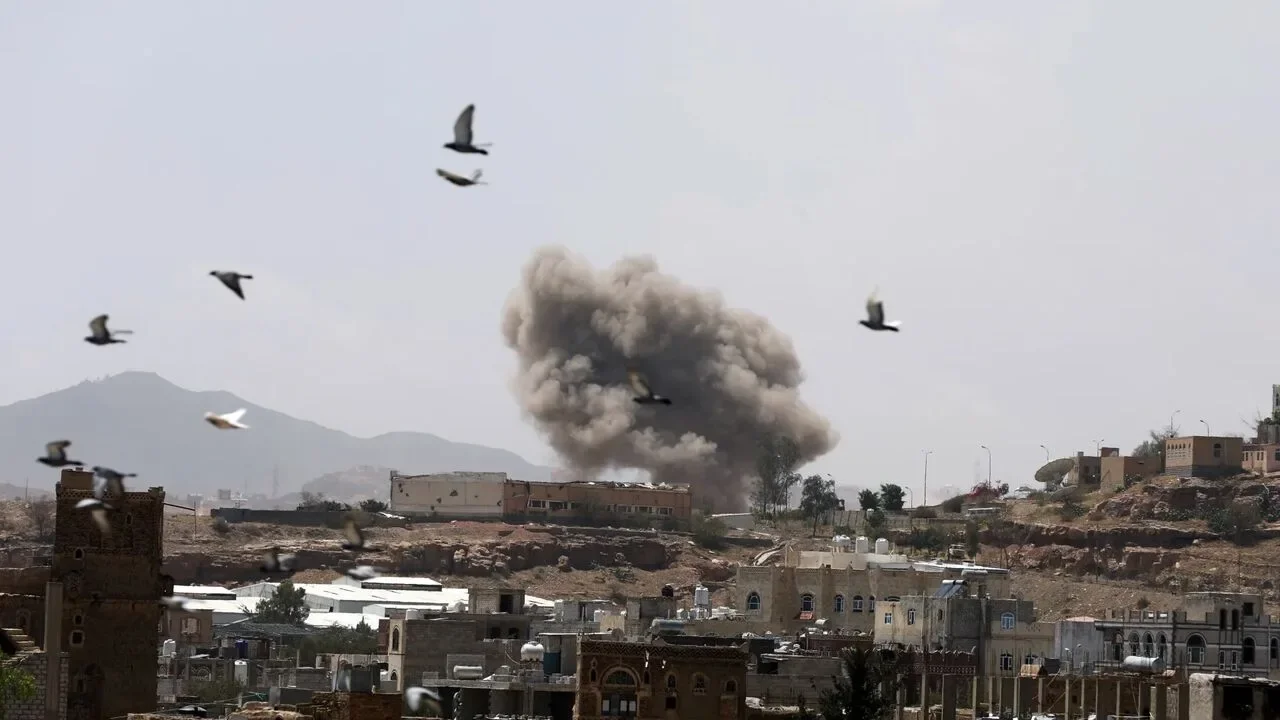
The humanitarian situation in the Middle East has taken a grim turn this Monday, November 9, 2026, as reports from the Health Ministry in Sana’a claim that the death toll from a Saudi-led airstrike on a village near the Yemeni capital has reached 40. According to Iranian state media, another 40 individuals were wounded in the attack, marking one of the deadliest single incidents in recent months. This escalation comes at a sensitive time when regional actors are navigating a complex web of proxy conflicts and diplomatic stalemates, further straining the fragile peace efforts in the Arabian Peninsula.
In Tehran, Foreign Minister Abbas Araghchi has seized on the tragedy to issue a sharp warning to the incoming or current US administration. Araghchi claimed that both West Asians and American citizens are "sick and tired" of Israel's actions and the perceived US complicity in regional wars. While these statements are part of a long-standing rhetorical pattern from the Iranian government, the timing suggests a tactical move to pressure Washington as it reels from the internal political shifts following the US midterm elections. For Iranian observers, this heightened rhetoric often serves as a precursor to increased market volatility, as traders weigh the risks of further sanctions or direct military escalation.
Gold Surges as Global Markets Face Multi-Front Instability
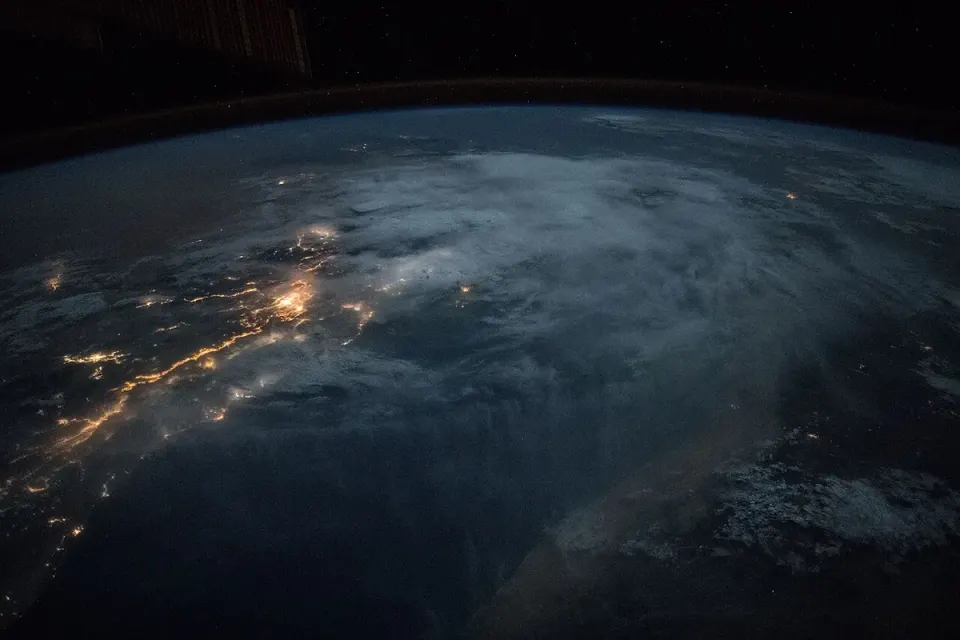
While the US Dollar has remained relatively stable at 265,500 Toman, the gold market is telling a much more anxious story. Gold 18k per gram rose from 25,444,388 to 25,762,962 Toman, a significant 1.3% jump in just 24 hours. The Emami coin followed suit, climbing 0.8% to reach 261,000,000 Toman. This surge is largely driven by a "flight to safety" among Iranian investors who are looking past the steady currency rate and focusing on the global instability sparked by the Nvidia scandal and the Democratic sweep in the US midterm elections. When global tech giants and superpower politics are in flux, gold remains the ultimate hedge for local capital.
Beyond the regional conflict, the global financial landscape is currently obsessed with the scandal involving Nvidia CEO Jensen Huang. Reports suggest a board-level investigation into an affair with a suspected Chinese spy, a development that has sent shockwaves through Silicon Valley and triggered a rebound in Asian markets after an initial tech rout. Even Donald Trump has weighed in to defend Huang, illustrating how deeply intertwined tech leadership has become with national security and partisan politics. For the Iranian market, these global disruptions often lead to a decrease in risk appetite, reinforcing the upward pressure on precious metals.
Global Security and the Shifting Sands of US Policy
In a surprising development across the Atlantic, the US is facing blowback from its interventions in South America. Armed groups in Colombia, specifically the ELN, have reportedly struck back against a Colombian military base using drones, following targeted US-backed operations. This indicates a growing sophistication in non-state actor warfare that mirrors the drone conflicts seen in the Middle East. Such events highlight a world where traditional military superiority is being challenged by low-cost technology, a trend that the Iranian defense establishment has closely followed and often pioneered in its own regional strategies.
Simultaneously, the US political landscape is undergoing a massive reshuffle. Following the "Blue Wave" in the midterm elections, President Trump has made a rare admission that his deportation policies were "too tough," signaling a potential pivot to strike immigration deals with Democrats. More importantly for global markets, the Democratic win is expected to drastically reshuffle US energy policy, with potential cuts to EV targets and a renewed focus on stymying unchecked fossil fuel expansion. These policy shifts are critical for Iran, as any change in US energy output or environmental regulation directly impacts global oil prices and, by extension, the effectiveness of the sanctions regime on Iranian crude exports.
Crypto Resilience Amidst Technical and Regulatory Hurdles
Bitcoin continues to hold its ground, trading at $74,267, despite mounting pressure on major exchanges like Binance, which is facing closures in the European Union. The crypto market today is characterized by a mix of high-level protocol upgrades and persistent security vulnerabilities. For instance, the tBTC bridge has only partially resumed operations after a critical Linux kernel vulnerability left $120 million in Aave reserves frozen. These technical hiccups serve as a reminder of the inherent risks in the DeFi space, even as institutional adoption remains high.
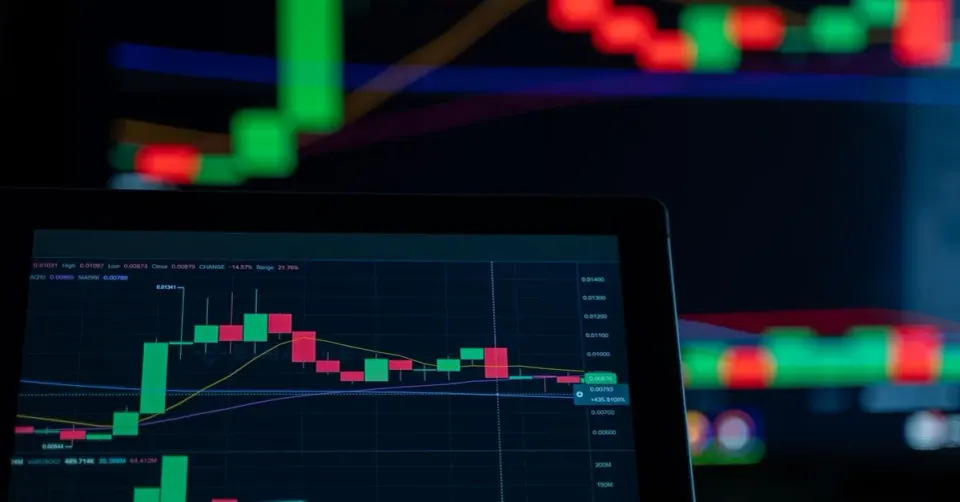
In the privacy coin sector, Zcash developers have proposed further reductions in block times to improve user experience for point-of-sale transactions. This move aims to keep Zcash competitive against faster networks, though the broader market remains cautious. For Iranian users, who often rely on stablecoins like USDT (currently at 266,094 Toman) to bypass traditional banking restrictions, the stability of the underlying blockchain infrastructure is not just a technical detail—it is a matter of financial survival. As the US energy policy shifts toward more regulation, the energy-intensive nature of crypto mining may once again become a focal point of international debate.
Frequently Asked Questions
Why did gold prices rise despite the dollar remaining stable?
What is the significance of the Nvidia scandal for global markets?
How do the US midterm results affect the Iranian economy?
Gold as a Safe‑Haven Asset During Geopolitical Turbulence
Gold has long been regarded as a safe‑haven asset – a store of value that investors turn to when confidence in other markets wanes. Unlike currencies that can be devalued by inflation or political decisions, gold’s intrinsic scarcity and universal acceptance give it a unique resilience. When wars flare, sanctions tighten, or elections bring policy uncertainty, the demand for gold often spikes, pushing its price upward.
The price mechanism is straightforward: higher demand for physical gold or gold‑related financial products (like futures and ETFs) outpaces supply, which is relatively inelastic because mining output cannot be ramped up quickly. Central banks also play a role; many hold gold reserves as a hedge against currency risk, and they may buy or sell in response to macro‑economic shifts, further influencing market dynamics.
Recent events illustrate this pattern vividly. The escalation of conflict in Yemen, combined with heightened tensions involving Iran, has rattled investors across the Middle East and beyond. Such geopolitical risk amplifies fears of supply disruptions—especially for commodities like oil that are linked to the region’s economies—prompting a flight to gold. Consequently, gold prices have surged by over 1% in a single trading day, echoing historical spikes during the 1970s oil crises and the 2008 financial panic.
Sanctions on Iran add another layer. Restrictions on Iranian gold imports and the country’s own reliance on gold to preserve wealth under embargoes can tighten global supply chains, nudging prices higher. Moreover, the perception that gold can preserve purchasing power amid volatile exchange rates—such as the Iranian toman’s recent depreciation—makes it attractive to both regional and international investors.
Understanding gold’s role as a safe‑haven helps explain why its price often moves opposite to riskier assets like equities or emerging‑market currencies during periods of heightened uncertainty. For anyone tracking global volatility, keeping an eye on gold price trends offers a quick barometer of market sentiment and a potential hedge against geopolitical shocks.
Topics
Related Articles