Iran Proposes 48-Hour Hormuz Reopening Plan as Gold Jumps 1.3% Amid Global Youth Protests
طرح ۴۸ ساعته ایران برای بازگشایی هرمز؛ جهش ۱.۳ درصدی طلا در میان بیداری سیاسی نسل زد
Tehran pushes a strategic two-day proposal to secure the Strait of Hormuz while domestic gold prices surge 1.3%. Meanwhile, a wave of Gen Z-led protests across Europe and Asia signals a tectonic shift in global political stability.
At time of publishing
USD
265,500
Toman
Gold 18K
25.76M
Toman / gram
Bitcoin
$74,138
US Dollar
Tether
264,128
Toman
The Hormuz Initiative: Tehran’s Diplomatic Gambit
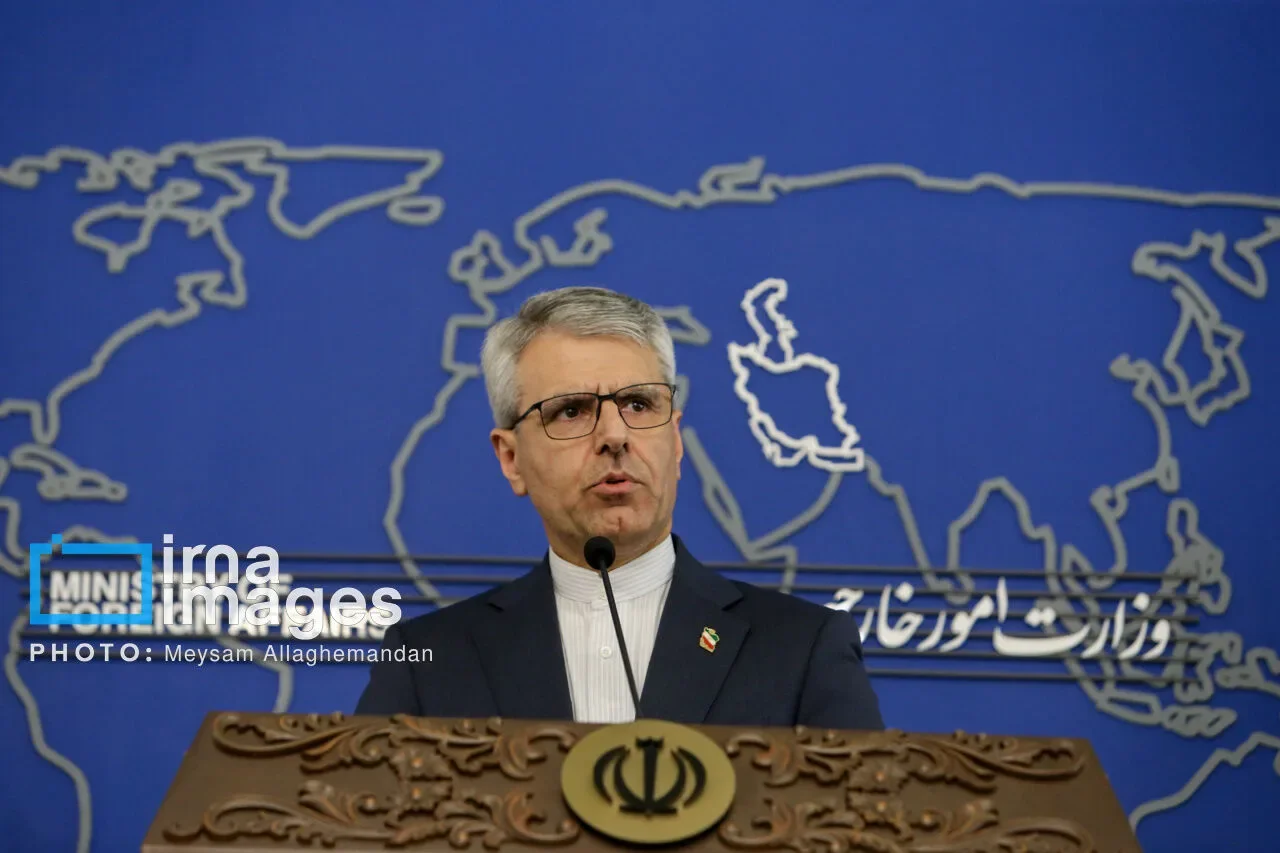
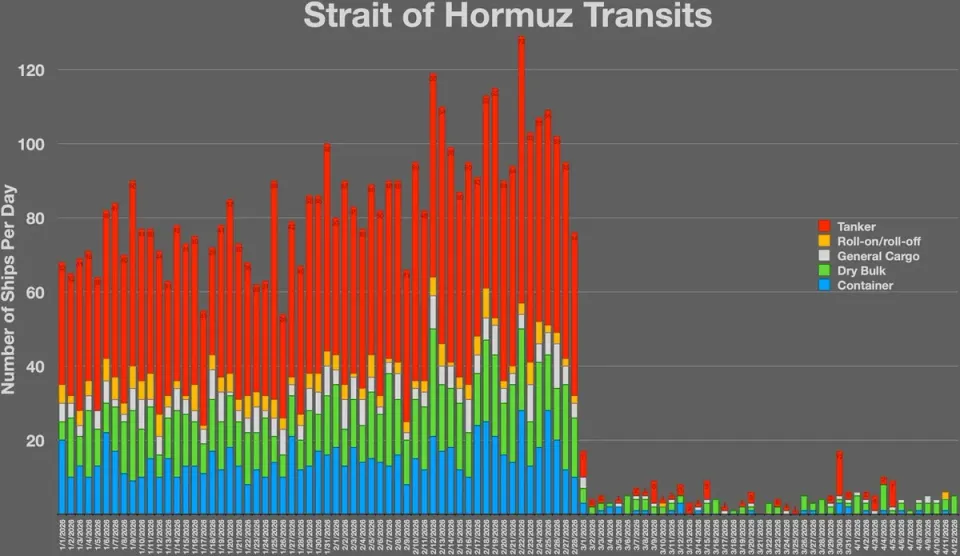
In a move to regain the narrative on regional maritime security, Iranian Foreign Ministry spokesperson Esmaeil Baqaei has reiterated that Tehran’s proposal to reopen the Strait of Hormuz within a 48-hour window remains the most "rational and logical" path forward. This statement comes at a critical juncture where international shipping lanes have faced unprecedented pressure, and the safety of the Persian Gulf has become a primary concern for global energy markets. By framing the reopening as a swift, two-day process, the Iranian government is attempting to signal its operational control over the waterway while placing the onus of de-escalation on Western powers and regional rivals.
What this means for the average Iranian reader is a complex interplay of hope and skepticism. A secured and open Hormuz typically correlates with lower shipping insurance premiums and more stable trade flows, which could theoretically ease the inflationary pressure on imported goods. However, the proposal remains a claim within a highly contested geopolitical arena. As international maritime records show a rising death toll among seafarers in the region, the success of such a proposal depends entirely on whether global powers view it as a genuine olive branch or a strategic maneuver to bypass tightening sanctions.
Market Resilience: Qatar Trade and the Toman's Stagnation
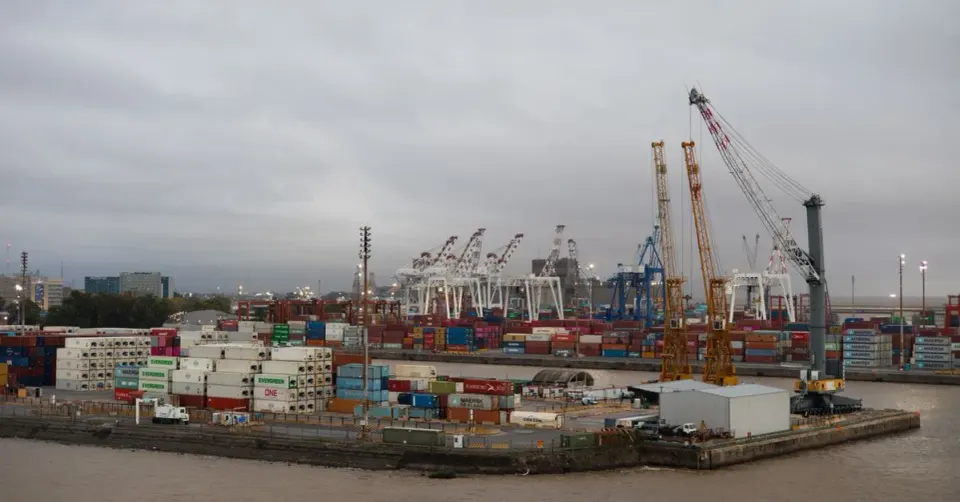
Despite the noise of regional conflict, Iran’s economic ties with Qatar appear to be holding firm. Official reports from the Iran-Qatar joint chamber indicate that exports remain direct and uninterrupted, bypassing the logistical hurdles that often plague Iranian trade in the Levant. This steady flow of commerce is a vital lifeline for the Iranian private sector, particularly for food and construction materials, providing a much-needed source of hard currency. The head of the chamber emphasized that regional developments have not yet forced a redirection of these goods, which suggests a level of diplomatic insulation for the Doha-Tehran trade corridor.
This stability in trade is reflected in the currency markets, where the US Dollar (USD) remained notably flat at 265,500 Toman, showing 0.0% change over the last 24 hours. While the currency hasn't devalued further today, the lack of appreciation despite positive trade news suggests a deep-seated caution among traders. The market is currently in a 'wait-and-see' mode, balancing the steady export news against the broader risks of regional escalation. For now, the Toman is holding its ground, but the floor remains fragile as the market digests the implications of the 48-hour Hormuz proposal.
Global Volatility: Gold Surges and the Gen Z Awakening
While the currency market remains stagnant, gold has taken center stage as the primary hedge against uncertainty. In the Iranian market, 18k gold rose by 1.3% over the last 24 hours, climbing from 25,444,388 to 25,762,962 Toman per gram. This surge is mirrored by the global gold ounce price, which has reached a staggering $4,099.00. Investors are clearly fleeing toward safe-haven assets as global political stability feels increasingly precarious. This isn't just about regional tension; it's a reaction to a broader "global political awakening" led by Generation Z.
From Serbia and France to Bangladesh and India, youth-led movements are reshaping the political landscape by pushing back against authoritarianism and traditional power structures. These protests, which often erupt with little warning via social media, create a new type of market risk: unpredictability. When governments are forced to pivot or collapse due to street pressure, trade agreements and economic policies often follow suit. For the Iranian investor, the 1.3% jump in gold is a direct response to this world in flux—a way to protect wealth when the old rules of geopolitics no longer seem to apply.
Tragedies and Transitions: The Human Cost of Instability
Beyond the charts and diplomatic proposals, the human cost of the current global climate is becoming more visible. In Krakow, Poland, a mass shooting that left nine people dead ended today with the death of the suspect in a hospital. While the motive remains unclear, such events contribute to a growing sense of social fragmentation across Europe. Simultaneously, the arrival of autumn in cities like Tabriz—where intermittent rain has cooled the streets—serves as a quiet reminder of the seasonal transition, even as the political climate remains overheated. These domestic moments of calm contrast sharply with the high-stakes games being played in the Persian Gulf.
Ultimately, the confluence of a proposed maritime reopening, steady trade with Qatar, and a spike in gold prices paints a picture of a nation—and a world—searching for a new equilibrium. Whether the Hormuz proposal gains traction or remains a rhetorical tool, the underlying economic reality is that safety and stability are now the world’s most expensive commodities. As gold nears record highs and young people take to the streets globally, the Iranian market remains a microcosm of this broader struggle between the status quo and a rapidly changing future.
Frequently Asked Questions
What is the significance of the 48-hour Hormuz proposal?
Why did gold prices rise while the USD remained flat today?
How are Gen Z protests affecting global markets?
The Geopolitical Significance of the Strait of Hormuz and its Impact on Global Markets
The Strait of Hormuz, a narrow waterway connecting the Persian Gulf to the Arabian Sea, stands as one of the world's most critical maritime chokepoints. Its strategic importance stems from the fact that a significant portion of the world's seaborne oil and liquefied natural gas (LNG) passes through it daily. This makes any development concerning its navigability or security – such as a proposed reopening plan – an immediate trigger for global financial markets, particularly those tied to energy commodities and safe-haven assets.
When news emerges regarding the Strait of Hormuz, its primary impact is felt in the global oil and gas markets. Disruptions, or even the credible threat of disruption, to this vital shipping lane can send crude oil prices soaring. This is because a substantial portion of the world's energy supply, particularly from major producers like Saudi Arabia, Iran, Iraq, Kuwait, Qatar, and the UAE, relies on safe passage through this strait. Any perceived risk to this supply chain creates uncertainty, leading traders to bid up prices as they anticipate potential shortages or higher shipping costs.
Beyond energy, the geopolitical sensitivity surrounding the Strait of Hormuz also profoundly influences the demand for safe-haven assets like gold. In times of heightened global instability or geopolitical tension, investors often move their capital into assets perceived as less volatile and more reliable stores of value. Gold, with its historical role as a hedge against inflation and economic uncertainty, typically sees its price rise during such periods. The headline's mention of gold jumping 1.3% alongside news about Hormuz underscores this direct correlation between geopolitical risk and safe-haven demand.
Ultimately, developments in critical regions like the Strait of Hormuz create what is known as a 'geopolitical risk premium' across various markets. This premium reflects the added cost or uncertainty that investors factor into asset prices due to political instability or potential conflict. It affects not only commodity prices but also currency exchange rates, international trade flows, and overall investor confidence, making the Strait of Hormuz a constant focal point for global economic observers.
Topics
Related Articles