Justice for Zecler: French Police Trial Ignites Brutality Debate as Markets Eye Paraguay’s $1B Bank Scandal
عدالت برای زکلر: آغاز محاکمه جنجالی پلیس فرانسه و سایه سنگین فساد یک میلیارد دلاری بر بازارهای جهانی
French police officers face trial over the 2020 beating of Michel Zecler, a case that has become a flashpoint for systemic reform. Meanwhile, a billion-dollar bank implosion in Paraguay ensnares a president, and global markets react to Nvidia's ongoing leadership crisis.
At time of publishing
USD
265,000
Toman
Gold 18K
25.76M
Toman / gram
Bitcoin
$74,198
US Dollar
Tether
264,400
Toman
The Trial of Michel Zecler: A Rare Moment of Accountability
Three French police officers have finally appeared in court to face charges related to the 2020 beating of Michel Zecler, a Black music producer. The incident, which was captured on CCTV, showed officers repeatedly punching and kicking Zecler in his studio, initially claiming he was not wearing a Covid mask. This case has transcended a simple criminal proceeding, becoming a symbol of the broader struggle against police brutality and systemic racism within the French law enforcement apparatus. For the French public, this trial is a litmus test for whether the justice system can hold its own accountable during a period of heightened social and political tension.
Authorities and police unions have long maintained that such incidents are isolated cases of individual misconduct. However, civil rights groups and researchers argue that the Zecler case is indicative of a deeper, structural issue that requires legislative reform. The outcome of this trial is expected to resonate far beyond the courtroom, potentially influencing future police protocols and public trust in the state. As France navigates a wave of strikes and social unrest, the verdict could either serve as a pressure valve or a catalyst for further demonstrations across the Republic.

Financial Contagion: Paraguay’s $1B Bank Implosion
In South America, a massive financial scandal has erupted, ensnaring President Santiago Peña and threatening the stability of Paraguay’s banking sector. Prosecutors have leveled serious allegations against the President, claiming he facilitated the funneling of nearly $1 billion in government funds into Ueno Bank. These funds were reportedly used by bank executives to issue reckless insider loans, leading to a spectacular collapse that has left the national treasury reeling. The scandal highlights the persistent risks of corruption in emerging markets and the fragile line between state governance and private financial interests.
For global investors, the Paraguay situation serves as a stark reminder of the 'political risk' premium associated with developing economies. While the immediate impact is localized, the potential for regional contagion is being closely monitored by international financial institutions. The implosion has already triggered a domestic crisis of confidence, with calls for transparency and immediate audits of other state-linked financial entities. As the investigation deepens, the political survival of President Peña hangs in the balance, creating a vacuum that could disrupt regional trade agreements and investment flows.

Tech and Markets: Nvidia’s Shadow and Gold’s Ascent
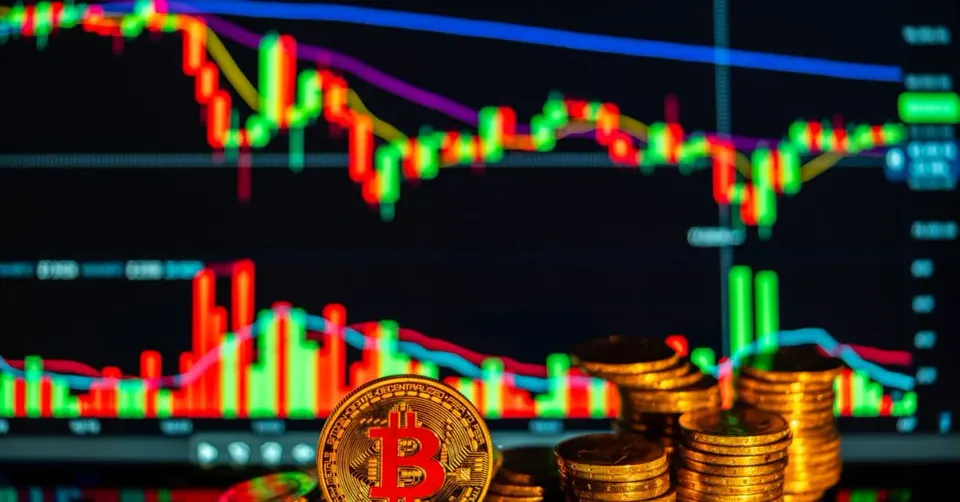
Global technology markets remain on edge as the investigation into Nvidia CEO Jensen Huang continues to cast a long shadow over the semiconductor industry. The probe, sparked by Huang’s alleged involvement with an individual linked to Chinese intelligence, has created significant volatility in tech stocks and crypto markets. Bitcoin (BTC) has felt the pressure, hovering around $74,198 as investors weigh the risks of a leadership shakeup at the world’s most valuable chipmaker. Analysts from Morgan Stanley suggest that the market correction is entering its final phase, but caution against 'buying the dip' until the geopolitical dust settles around the AI trade.
In the Iranian domestic market, gold has emerged as the clear winner of the current uncertainty. Gold 18k per gram rose by 1.3%, moving from 25,444,388 to 25,762,962 Toman. This surge reflects a classic flight to safety as global ounce prices hit a staggering $4,098.10. Meanwhile, the Toman showed resilience against the US Dollar, with the sell rate dipping slightly by 0.2% to 265,000. This divergence suggests that while local currency demand is stabilizing, the fear of global escalation—particularly in the energy and tech sectors—is driving Iranians to hedge their wealth in precious metals.
Regional Energy Shifts: Iraq’s Strategic Pivot
Amidst the chaos, Iraq has struck a significant deal with the United States to boost its oil exports by bypassing the volatile Strait of Hormuz. By utilizing a corridor along the coast of Oman, Baghdad aims to secure its primary revenue stream against the backdrop of regional conflicts that have already cost the country an estimated $60 billion in lost exports. This move is a strategic masterstroke for Iraq, which remains OPEC’s second-largest producer. By diversifying its export routes, Iraq is effectively insulating itself from the brinkmanship often seen in the Persian Gulf's narrowest chokepoints.
For the broader region, this deal signifies a shift in the energy security paradigm. It reduces the leverage of actors who use the threat of closing the Strait of Hormuz as a geopolitical tool. However, the deal also cements Iraq’s alignment with US-led security frameworks, a move that is likely to be viewed with suspicion by Tehran. As winter approaches and European energy prices face upward pressure from low hydropower reserves, Iraq’s ability to maintain a steady flow of crude will be critical for global energy stability.
Frequently Asked Questions
Why is the Michel Zecler trial considered a landmark case in France?
How does the Paraguay bank scandal affect international investors?
Why did gold prices rise in Iran while the US Dollar fell slightly?
What is the significance of Iraq's new oil export deal with the US?
Understanding Currency Depreciation and Gold's Role as a Safe Haven
Currency depreciation occurs when a country's currency loses value relative to other currencies, effectively reducing its purchasing power. This phenomenon can be triggered by various factors, including high inflation, economic instability, large trade deficits, or geopolitical tensions and sanctions. When a currency depreciates, it means that more local currency units are required to buy the same amount of foreign currency or imported goods, making imports more expensive and potentially fueling domestic inflation.
The consequences of a depreciating currency are far-reaching. For individuals, it erodes savings, as their money can buy less than before, and increases the cost of living, especially for imported necessities. Businesses face higher costs for raw materials and components sourced internationally, which can squeeze profit margins or lead to higher consumer prices. In extreme cases, sustained currency depreciation can lead to capital flight, where investors move their money out of the country in search of more stable assets or stronger currencies, further exacerbating the economic challenges.
In times of significant currency depreciation and economic uncertainty, many investors and ordinary citizens turn to 'safe haven' assets. Gold is perhaps the most prominent example. Historically, gold has been seen as a reliable store of value dueating to its intrinsic worth, limited supply, and universal acceptance. Unlike fiat currencies, which can be printed in unlimited quantities, gold's supply is finite, making it less susceptible to the inflationary pressures that erode the value of paper money. This makes gold an attractive hedge against inflation and currency devaluation.
For economies like Iran, where the Toman exchange rate has faced considerable pressure due to sanctions and internal economic factors, the appeal of gold is particularly strong. When the local currency's value is unstable or declining, people often convert their savings into gold (or other hard assets) to preserve their wealth. This increased demand can drive up the local price of gold, even as its global price might fluctuate, creating a direct link between domestic currency woes and the local value of precious metals. Understanding this dynamic is crucial for comprehending economic behavior in volatile markets.
Topics
Related Articles