Deadly Iraq Floods Hit Region; Novaya Gazeta Closes; Iraq Oil Sales to US Plummet
سیلهای مرگبار عراق منطقه را درنوردید؛ «نوایا گازتا» تعطیل شد؛ فروش نفت عراق به آمریکا کاهش یافت
Devastating floods have swept northern Iraq, claiming lives and causing widespread damage, with parts of Iran also affected. Meanwhile, Russia's independent 'Novaya Gazeta' newspaper has ceased operations under state pressure, marking a critical blow to media freedom. In economic news, Iraq's oil sales to the U.S. have dropped to multi-decade lows due to the Strait of Hormuz crisis, while Berkshire Hathaway faces challenges with its Geico insurance unit.
At time of publishing
USD
265,200
Toman
Gold 18K
25.76M
Toman / gram
Bitcoin
$74,416
US Dollar
Tether
264,803
Toman
Deadly Floods Devastate Northern Iraq, Impacting Region
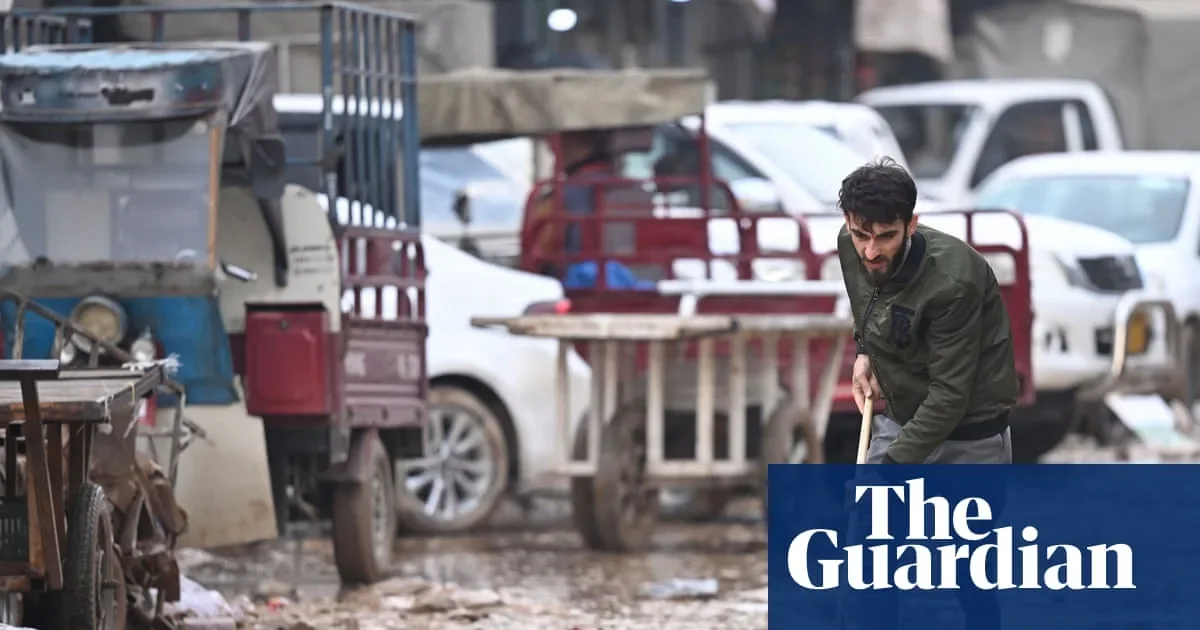
Northern Iraq has been hit by deadly flash floods, with the city of Erbil bearing the brunt of severe thunderstorms that swept across the region. Torrential rain, far exceeding forecasts, inundated streets, caused extensive damage to homes and businesses, and tragically resulted in two fatalities. The magnitude of the rainfall was unprecedented for the area, with an estimated 80mm falling in Erbil compared to the expected 30mm, highlighting the increasing vulnerability of urban infrastructure to extreme weather events.
These devastating floods underscore a growing regional challenge, as climate change contributes to more erratic and intense weather patterns. While the immediate crisis is humanitarian, focusing on rescue and recovery, the long-term implications involve significant rebuilding efforts and a re-evaluation of urban planning and drainage systems. Neighbouring Iran also experienced parts of these violent storms, suggesting a broader weather system impacting the wider Middle East and emphasizing the interconnectedness of regional climate phenomena. The economic toll on local communities in Iraq will be substantial, disrupting daily life and commerce for weeks or months to come.
Russian Independent Newspaper 'Novaya Gazeta' Closes Amid State Pressure
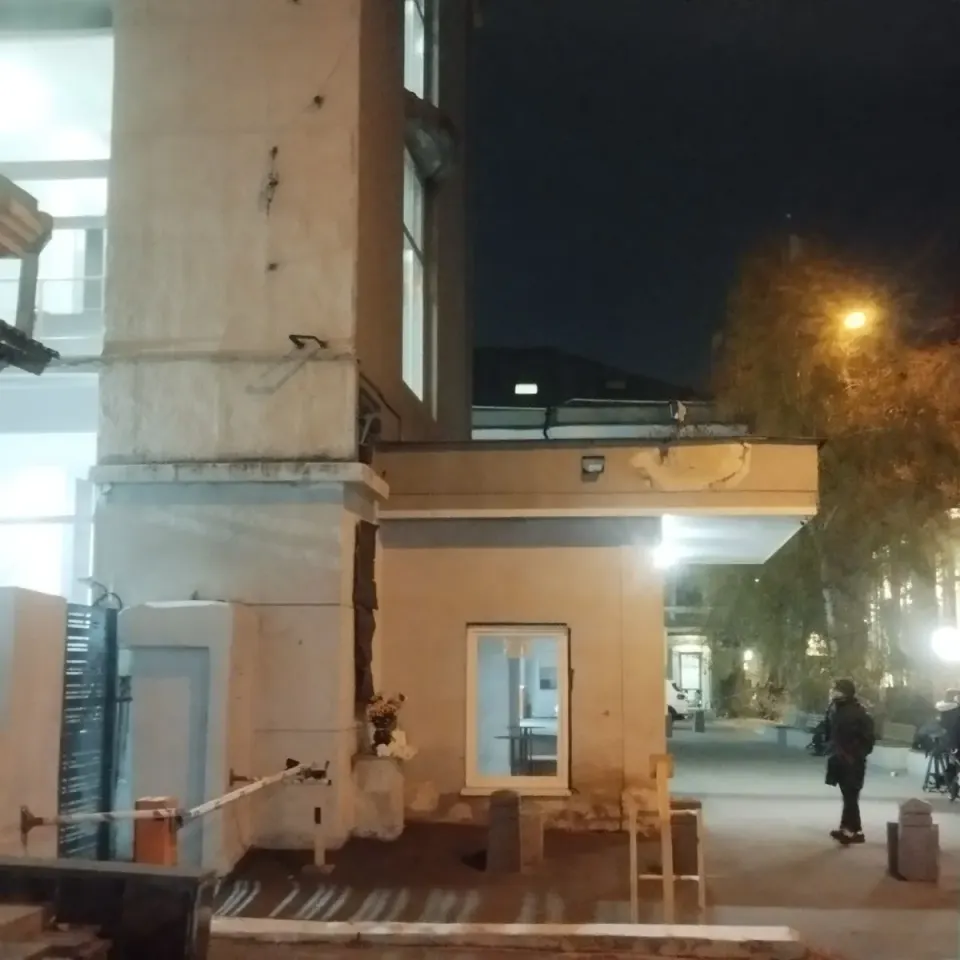
In a significant blow to press freedom, 'Novaya Gazeta', a prominent independent Russian newspaper known for its critical coverage of the Kremlin, has announced it is winding up operations. The paper, which has faced relentless state pressure, held its final editorial meeting on Monday, November 9, and is preparing to vacate its central Moscow office. This closure marks a grim milestone for independent journalism in Russia, as the government continues its systematic crackdown on dissenting voices and media outlets.
The decision to cease operations comes after what the newspaper described as an insurmountable campaign of state pressure, making it impossible to continue reporting effectively. This move is part of a broader trend of tightening state control over information in Russia, especially in the wake of recent geopolitical events, which has seen numerous independent media outlets and journalists forced to close, relocate, or operate under severe restrictions. For readers in Iran and the wider region, this serves as a stark reminder of the challenges faced by independent media and the crucial role it plays in holding power accountable, often at great risk.
Iraq's Oil Sales to US Plummet Amid Hormuz Crisis
U.S. imports of Iraqi crude oil have fallen to their lowest levels since the 2003 war, according to recent EIA data. This dramatic slump, particularly noticeable since March, saw imports dip to zero in several weeks over the summer, directly attributed to the ongoing crisis in the Strait of Hormuz. As OPEC’s second-largest oil producer, Iraq heavily relies on the Strait for its international shipments, and disruptions in this vital waterway have severely choked its main outlet for crude exports.
The Strait of Hormuz remains a critical chokepoint for global oil transit, and any instability there immediately impacts oil flows and prices. While Iraq can utilize a pipeline north through Kurdistan, its capacity is limited to about 500,000 barrels per day, insufficient to offset the volumes typically moved through the Strait. For the global energy market, this reduction in Iraqi supply contributes to tighter conditions and potential price volatility, affecting everything from gasoline prices to the broader economic outlook. Iranian consumers should note that such regional energy disruptions often indirectly influence domestic currency stability and inflation expectations, as global oil prices impact the broader economic environment and government revenues.
Kraków Shooting Sparks Broader European Security Probe
Poland's justice minister has initiated a comprehensive investigation into the recent shooting in Kraków, specifically aiming to establish whether the 24-year-old attacker acted alone. A terrorism investigation was promptly opened following the incident, where the assailant opened fire in a market square, sending shockwaves through the city and raising significant security concerns across Europe. The focus is now on uncovering any potential wider network or motivations behind the attack.
This incident, coming at a time of heightened geopolitical tensions, underscores the persistent threat of lone-wolf attacks and the challenges faced by European security agencies. The outcome of the investigation will not only determine the perpetrator's affiliations but also inform future counter-terrorism strategies and public safety measures across the continent. For European citizens, including the large Iranian diaspora, such events contribute to a broader sense of unease and highlight the ongoing need for vigilance and robust security protocols in public spaces.
Berkshire Hathaway's Geico Struggles Overshadow Cash Piles
While Berkshire Hathaway's latest quarterly results revealed a staggering $357 billion in cash and significant stock buybacks, the biggest takeaway for investors was the "dismal performance" of its insurance subsidiary, Geico. This underperformance overshadowed the conglomerate's financial strengths, highlighting operational challenges within one of its key holdings. The insurance giant, known for its direct-to-consumer model, appears to be grappling with competitive pressures and potentially higher claims costs, impacting its profitability.
The focus on Geico's struggles, despite Berkshire's overall robust financial health, serves as a crucial reminder that even diversified, well-managed conglomerates are not immune to sector-specific headwinds. For global markets and investors, particularly those in emerging economies like Iran who might look to established giants for stability, this signals the importance of scrutinizing underlying business performance rather than just headline financial figures. It also suggests potential shifts in the competitive landscape of the insurance industry, which could have ripple effects on other financial sectors and consumer services.
Meanwhile, in currency markets, the USD moved from 265,500 Toman to 265,200 Toman (-0.1%) against the Iranian Rial over the last 24 hours. Gold 18k/gram saw a notable increase, rising from 25,444,388 Toman to 25,762,962 Toman (+1.3%), while Emami coin remained stable at 259,000,000 Toman (+0.0%). This divergence suggests a cautious shift towards safe-haven assets like gold amidst global and regional uncertainties.
Frequently Asked Questions
What caused the deadly floods in Northern Iraq?
Why is the closure of Novaya Gazeta significant?
How has the Strait of Hormuz crisis impacted Iraq's oil exports?
What is the key takeaway from Berkshire Hathaway's latest earnings?
How did the Toman and gold prices react to recent events?
Understanding Strategic Choke Points in Global Energy Trade
In the intricate web of global commerce, certain geographical locations hold disproportionate strategic importance. These are known as strategic choke points, narrow maritime passages that are crucial for international trade, particularly for the movement of energy resources like oil and natural gas. Their significance stems from the sheer volume of goods that must pass through them, making them vital arteries for the global economy. Any disruption, whether from political instability, military conflict, natural disasters, or even piracy, can have immediate and far-reaching consequences for global supply chains and commodity prices.
Perhaps the most prominent example of such a choke point is the Strait of Hormuz. Located between the Persian Gulf and the Arabian Sea, this narrow waterway is the world's most important oil transit point. An estimated one-fifth of the world's total petroleum liquids consumption and a third of the world's seaborne oil passes through the Strait daily. Major oil producers like Saudi Arabia, Iran, Iraq, Kuwait, Qatar, and the United Arab Emirates rely heavily on this passage to export their crude oil and liquefied natural gas (LNG) to markets across Asia, Europe, and North America.
The critical role of the Strait of Hormuz means that events impacting its navigability or the political stability of the surrounding region can trigger significant global economic ripples. For instance, even the prospect of reduced oil sales from a major producer like Iraq, or broader geopolitical tensions in the Persian Gulf, can introduce volatility into global oil markets. Understanding these choke points is essential for comprehending the dynamics of international energy security, geopolitical risk assessment, and the interconnectedness of the global economy. They serve as constant reminders of how geography and politics intertwine to shape global trade and stability.
Topics
Related Articles